
Evesham
Evesham is a market town in Worcestershire, England, known for its riverside setting in the Vale of Evesham, historic abbey remains, market gardening and local cultural attractions.
Overview
Evesham is a market town and civil parish in Worcestershire, England. It lies in a fertile lowland area known as the Vale of Evesham and is set beside the River Avon. The town combines a long history with a present-day role as a local centre for commerce, culture and horticulture. In the 2001 census the population was recorded as 22,304.
Image gallery
8 Images




Geography and character
Situated on the floodplain of the Avon, Evesham benefits from rich agricultural land and a riverside character. The surrounding vale supports intensive market gardening and orchards, which shape both the landscape and local economy. Within the town there are parks, riverside walks and a range of shops and cafes; locals often note the tidy public spaces and active community groups that help maintain them.
History
Evesham has medieval origins and was once dominated by a Benedictine abbey whose presence shaped the town's early development. The town is also associated with the Battle of Evesham in 1265, an important event in the conflict between royal and baronial forces in medieval England. Much of the abbey was lost after the Dissolution, but historical remains and records continue to reflect Evesham's medieval significance.
Economy and uses
The Vale of Evesham remains an important horticultural area: market gardens, glasshouses and orchards produce fruit and vegetables for regional markets. Evesham itself functions as a market town with regular markets, independent shops and a modest retail centre. Tourism linked to local history, the riverside and seasonal events also contributes to the local economy.
Landmarks and culture
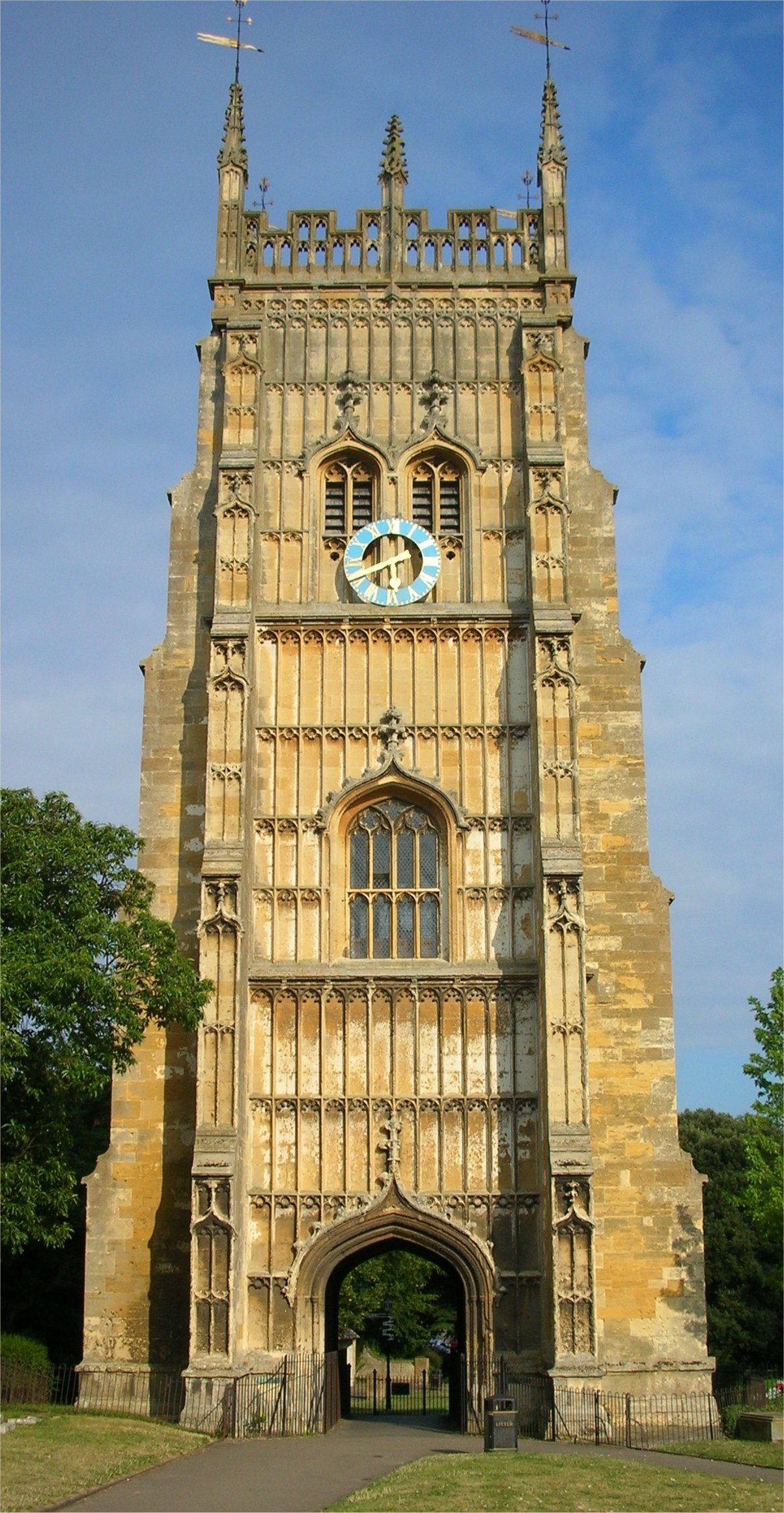
- Ruins and remnants associated with the old abbey, including a prominent bell tower and historic church sites.
- Museums and local heritage venues that interpret the town's past and agricultural traditions.
- Parks, riverside paths and leisure facilities used by residents and visitors alike.
- A range of cafes and small independent businesses in the town centre.
Evesham combines rural surroundings with a compact urban centre. Its mix of historical interest, agricultural importance and community amenities makes it representative of many English market towns that continue to balance preservation with contemporary life.
Related articles
Author
AlegsaOnline.com Evesham Leandro Alegsa
URL: https://en.alegsaonline.com/art/32806
Sources
- ons.gov.uk : "Local statistics - Office for National Statistics"