
Everett, Pennsylvania: small borough in Bedford County
Everett is a small borough in Bedford County, Pennsylvania, with a population near 1,850 (2008). This article covers its location, character, history, economy, and the notable native Dean Koontz.
Everett is a small borough in Bedford County in the U.S. state of Pennsylvania, within the United States. Traditionally a local service and commercial center for surrounding rural areas, Everett has long been home to a compact downtown, small manufacturers and family-run businesses. Population figures vary by source; a mid-2008 estimate put the borough at roughly 1,850 residents.
Image gallery
3 Images
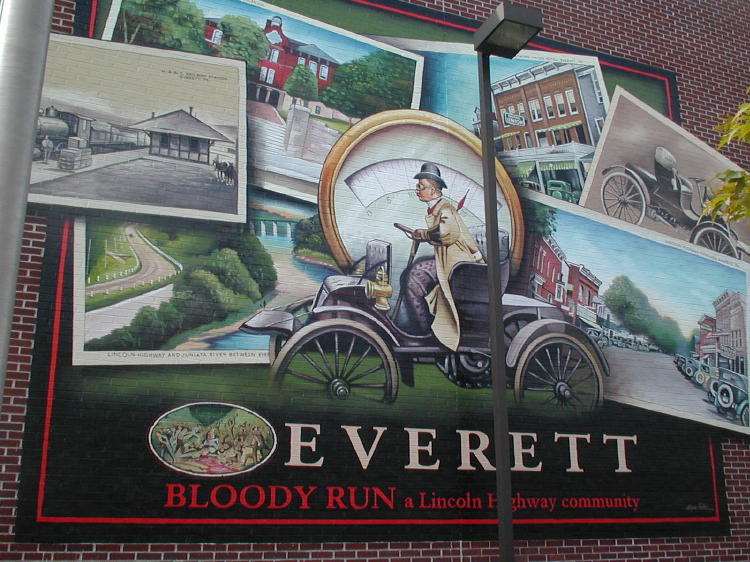

Characteristics and governance
As a borough, Everett is governed under Pennsylvania's borough code, typically by a council and a mayor or similar elected officers. The community is characterized by a mix of residential neighborhoods, civic institutions, churches, and small commercial properties clustered near the historic main street. Its setting in a largely rural county gives it a slower pace and close-knit civic life compared with nearby urban areas.
History and development
Everett developed during the 19th century as regional roads and local industries shaped settlement patterns in Bedford County. Over time the borough served nearby farms and resource-based enterprises, adapting through periods of economic change while retaining many historic buildings and neighborhood layouts. Local historical societies preserve records and photographs that document this evolution.
Economy, services, and recreation
The local economy centers on small businesses, light manufacturing, service industries and agriculture in the surrounding townships. Schools, municipal services and health-care providers serve residents and neighboring rural communities. Outdoor recreation is popular nearby, with access to rolling hills and forests that support hiking, hunting and seasonal tourism in the broader region.
Notable people and cultural notes
- The novelist Dean Koontz was born in Everett; he later became known for suspense and horror fiction.
- The borough preserves community traditions and local events that reflect its small-town character.
Everett is one of many small municipalities that together form the social and economic fabric of rural Pennsylvania. Visitors and researchers interested in regional history, small-town governance, or the early life of notable figures often consult local archives and community organizations for deeper information.
Related articles
Author
AlegsaOnline.com Everett, Pennsylvania: small borough in Bedford County Leandro Alegsa
URL: https://en.alegsaonline.com/art/32766