
Eurodance
Eurodance is a high-energy electronic dance genre that emerged in Europe in the late 1980s and reached mainstream popularity in the 1990s, known for strong melodies, synth hooks, and club-friendly beats.
Eurodance is a commercially oriented form of electronic dance music that developed in Europe during the late 1980s and became widely popular through the 1990s. It blends elements of Eurodisco, house, Hi-NRG and pop into an energetic, radio- and club-friendly sound. Typical songs emphasize clear, singable choruses, driving four-on-the-floor beats, and bright, melodic synthesizer lines.
Image gallery
1 Image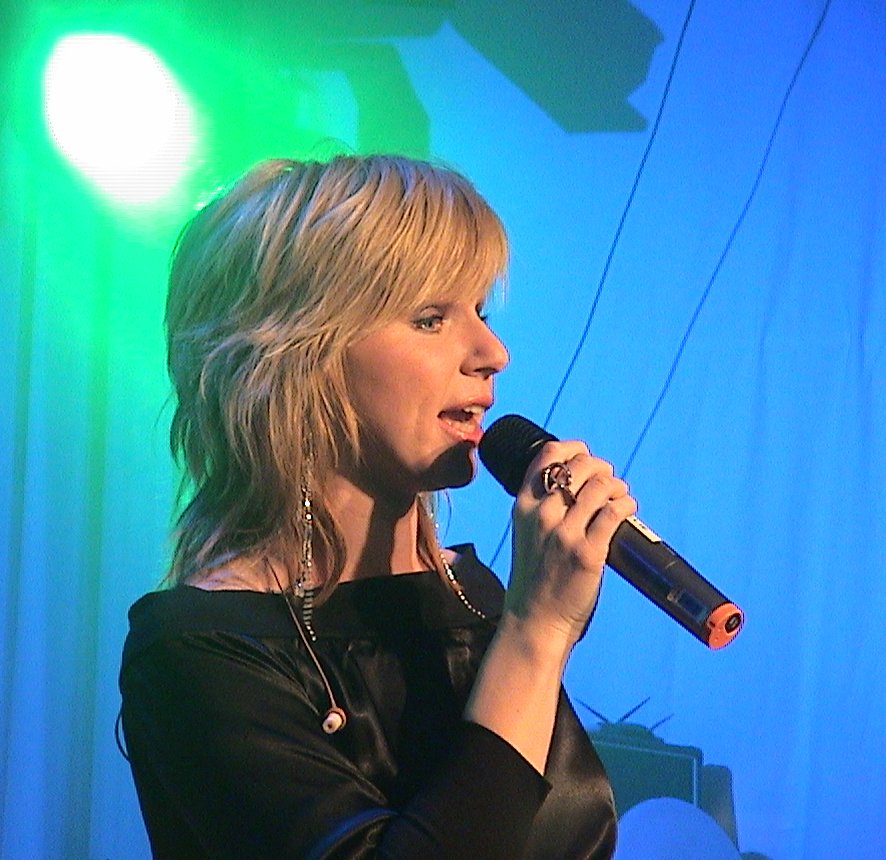
Key characteristics
- Up-tempo rhythms suitable for dancing, often between moderate and fast tempos.
- Prominent use of synthesizers, drum machines, and sampled sounds to create polished hooks.
- Song structure favoring catchy choruses and simple, repetitive lyrics focused on themes like love, dancing or positive feeling.
- Vocal format frequently alternating between a female sung chorus and a male rap or spoken verse, though many variations exist.
- Production geared toward both clubs and mainstream radio, with emphasis on immediate impact and memorable motifs.
Because of its accessible melodies and energetic presentation, Eurodance is often compared to dance-pop, but it tends to place stronger emphasis on trance-like synth patterns and club rhythms. Producers and studio projects played a large role in creating the sound, sometimes employing rotating vocalists and session musicians rather than fixed band lineups.
Origins and development
The genre emerged as an evolution of 1970s and 1980s European disco traditions, updated with digital production tools and influences from house and Hi-NRG. During the early 1990s it reached peak commercial success across continental Europe and beyond, fueled by clubs, music television and international hits. Over time, tastes shifted toward other electronic styles such as trance and progressive house, but Eurodance left a lasting imprint on pop and dance music.
Notable examples and legacy
Several acts and singles became emblematic of the style and enjoyed crossover success on pop charts and in nightclubs. The sound also influenced later EDM and pop producers who borrowed its melodic approach and club-oriented arrangements. Eurodance tracks continue to be played in retro-themed events, fitness classes and playlists, and the style sees periodic revivals and sampling in contemporary music.
Context and distinctions
Eurodance is distinct from underground techno and trance by its commercial focus and strong pop sensibility. While it shares club roots with related genres, its hallmark is an emphasis on immediate, tuneful choruses and a production aesthetic aimed at broad audiences rather than experimental club culture. Its international success helped make English the dominant language for many releases, even when songs were produced outside anglophone countries.
For more general information about electronic dance forms and their histories, see broader surveys of European club music and genre studies that trace the evolution of dance scenes across the continent.
Related articles
Author
AlegsaOnline.com Eurodance Leandro Alegsa
URL: https://en.alegsaonline.com/art/32580