
Estinnes — municipality in Hainaut, Wallonia (Belgium)
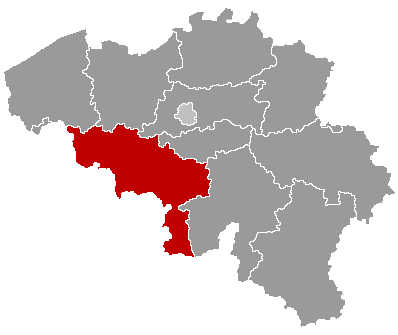
Estinnes is a French‑speaking municipality in the Belgian province of Hainaut. A rural community of several villages, it had about 7,408 inhabitants in 2007 and lies near 50°23′N, 4°05′E.
Overview
Estinnes is a municipality in the French‑speaking region of Wallonia, located within the Belgian province of Hainaut. Historically rural, the municipality comprises a number of villages and hamlets and serves as a local centre for surrounding farmland. Official figures recorded about 7,408 residents in 2007; more recent counts may differ as populations change with commuting and development. The locality lies near the coordinates 50°23′N, 4°05′E, placing it in western Belgium.
Image gallery
3 Images

Geography and subdivisions
Estinnes occupies a landscape of small fields, lanes and clustered village centres typical of Hainaut. The municipal territory includes several former communes and settlements, some of which retain distinct village identities. Notable constituent villages include:
- Estinnes‑au‑Mont
- Estinnes‑au‑Val
- Faurœulx
- Haulchin
- Peissant
- Croix‑lez‑Rouveroy and Rouveroy
- Vellereille‑le‑Sec and Vellereille‑les‑Brayeux
History and development
The settlements that now form Estinnes have medieval roots, with village centres that grew around parish churches, farms and local trade. Like many Belgian communes, Estinnes experienced administrative change during the nationwide municipal reorganisations of the 1970s, when several small communes were merged to create larger municipal entities. Local architecture often reflects a combination of traditional farmhouses, village churches and later civic buildings.
Economy and community life
The local economy is primarily characterized by agriculture, small businesses, artisanal trades and services that support village life. Many residents commute to larger towns in Hainaut for work, education and specialised services, while local life centres on communal events, parish activities and municipal services. Infrastructure typically includes primary schools, municipal offices and sports or cultural facilities serving the several villages.
Notable features and distinctions
Estinnes is representative of smaller Walloon municipalities where linguistic, cultural and rural traditions remain prominent. Visitors and residents can expect historic parish churches, village squares and countryside routes typical of the region. Its position within Hainaut gives access to broader provincial services and transport links, while retaining a largely village‑scale way of life. For municipal information and services consult local administrative sources linked above.
Related articles
Author
AlegsaOnline.com Estinnes — municipality in Hainaut, Wallonia (Belgium) Leandro Alegsa
URL: https://en.alegsaonline.com/art/32303
Sources
- statbel.fgov.be : Population per municipality as of 1 January 2016
- statbel.fgov.be : Werkelijke bevolking per gemeente op 1 januari 2007 / Population de droit par commune au 1 janvier 2007 (.xls)
- statbel.fgov.be : Geografische coördinaten van de gemeenten (.xls)