
Erotica (Madonna album)
Erotica is Madonna's fifth studio album, released in October 1992 on Maverick Records. Known for its dance production and explicit themes, it provoked controversy and received mixed reviews while influencing pop culture.
Erotica is the fifth studio album by American singer Madonna, released on October 20, 1992, through Maverick Records. The record marked a deliberate stylistic turn toward club-oriented dance-pop and house-influenced production while foregrounding explicit themes of desire, identity and eroticism. Its title track was issued as a lead single and, together with other releases from the project, generated substantial public attention and debate.
Image gallery
7 Images



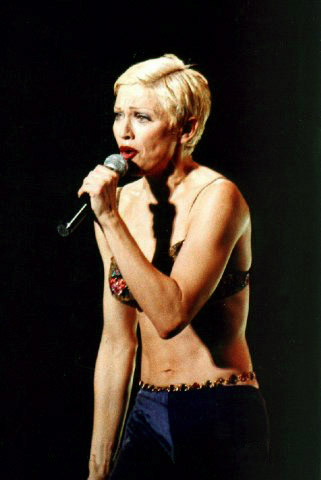

Background and production
Recording sessions drew on collaborators from the dance and remix world; the production emphasized layered beats, seductive grooves and vocal delivery that alternated between spoken-word intimacy and classic pop phrasing. The album was released amid a wider media campaign and a coinciding, provocative visual project by the artist, which intensified public focus on the record's themes. Musically, Erotica combined contemporary club sounds with melodic hooks and occasional balladry.
Musical themes and songs
The material explores adult sexual themes, relationships and personal reflection. Tracks range from uptempo, rhythm-driven numbers to slower, narrative songs that address loneliness and consequence. The album balances dance-floor orientation with moments intended to convey vulnerability and commentary on fame and personal life.
Singles and promotion
Several singles were released to promote the album, including the title song. Notable singles included:
- "Erotica" (title track)
- "Deeper and Deeper"
- "Bad Girl"
- Other tracks from the album were also issued as singles and promotional releases in different territories.
Reception, controversy and legacy
Upon release, Erotica sparked strong reactions: some reviewers praised its adventurous production and willingness to address sexuality candidly, while others criticized it for perceived excess or for courting controversy. Commercially it performed well but did not match the chart-topping peaks of the artist's most successful earlier albums, reaching high positions in many countries. The public debate around the album and its accompanying visual material shaped its initial reputation; in subsequent years critics and scholars have often reassessed its influence on pop music, sexual representation in mainstream media and the development of the artist's career.
Today Erotica is remembered both for its sonic character—melding pop and club influences—and for the questions it raised about artistic freedom, censorship and the role of sexuality in popular culture.
Related articles
Author
AlegsaOnline.com Erotica (Madonna album) Leandro Alegsa
URL: https://en.alegsaonline.com/art/32046