
Englesqueville-la-Percée
Englesqueville-la-Percée is a small rural commune in the Calvados department of northwestern France, historically part of Basse-Normandie, noted for its pastoral landscape and local Norman heritage.
Englesqueville-la-Percée is a commune in the Calvados department of northwestern France. Historically part of the former administrative region Basse-Normandie, the area now belongs to the larger Normandy region. The settlement is typical of small Norman communes: modest in size, set within farmland and hedged lanes, and centred on a village nucleus with traditional stone buildings.
Image gallery
1 Image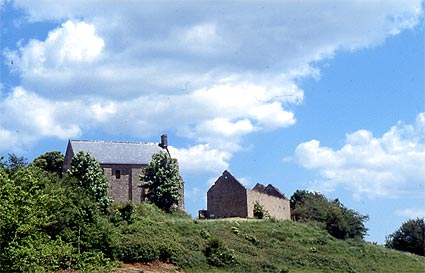
Geography and landscape
The commune occupies a rural setting characteristic of Calvados, with a mixture of arable fields, pasture and hedgerows often called bocage. Local scenery includes lanes lined with trees, detached farmsteads and orchards; the wider department is known for apple cultivation and products such as cider and calvados brandy, which shape the local countryside and economy.
History and name
Like many villages in Normandy, Englesqueville-la-Percée has medieval roots reflected in its place-name ending in -ville. Its historic development mirrors that of the surrounding region: agrarian settlement, church-centered community life, and later exposure to the upheavals of modern history. The Calvados area experienced significant events in the 20th century, including the Allied operations of 1944, which affected much of Normandy.
Administration, economy and services
As a French commune it is governed by a mayor and municipal council responsible for local services, planning and community life. The local economy is predominantly agricultural, with small-scale farming, livestock and fruit production. Residents often rely on nearby towns for larger shops, schools and medical services.
Heritage and visiting
Visitors encounter rural Norman architecture, a parish church and quiet lanes well suited to walking and cycling. Points of wider interest in the Calvados department include historic towns and museums; those seeking official information or practical details can consult the commune's online page or regional tourism resources.
Related articles
Author
AlegsaOnline.com Englesqueville-la-Percée Leandro Alegsa
URL: https://en.alegsaonline.com/art/31456