
Energy transfer
Movement of energy from one place, object, or system to another; includes conduction, convection, radiation and work; governed by conservation of energy and central to engineering and natural systems.
Overview
Energy transfer describes the movement of energy between objects, systems, or regions without creating or destroying energy. In physical science this concept sits within physics and is closely tied to the law of conservation of energy: energy may change form or location but its total amount in a closed system remains constant. Transfers can occur at many scales, from a heated iron cooling in a room to sunlight warming the Earth.
Image gallery
6 Images



Common mechanisms
Energy moves by a few distinct processes that are useful to distinguish:
- Conduction — direct transfer through contact, typical in solids where vibrating particles pass energy to neighbors.
- Convection — bulk motion of a fluid (liquid or gas) carrying thermal energy as warmer, less dense fluid rises and cooler fluid sinks.
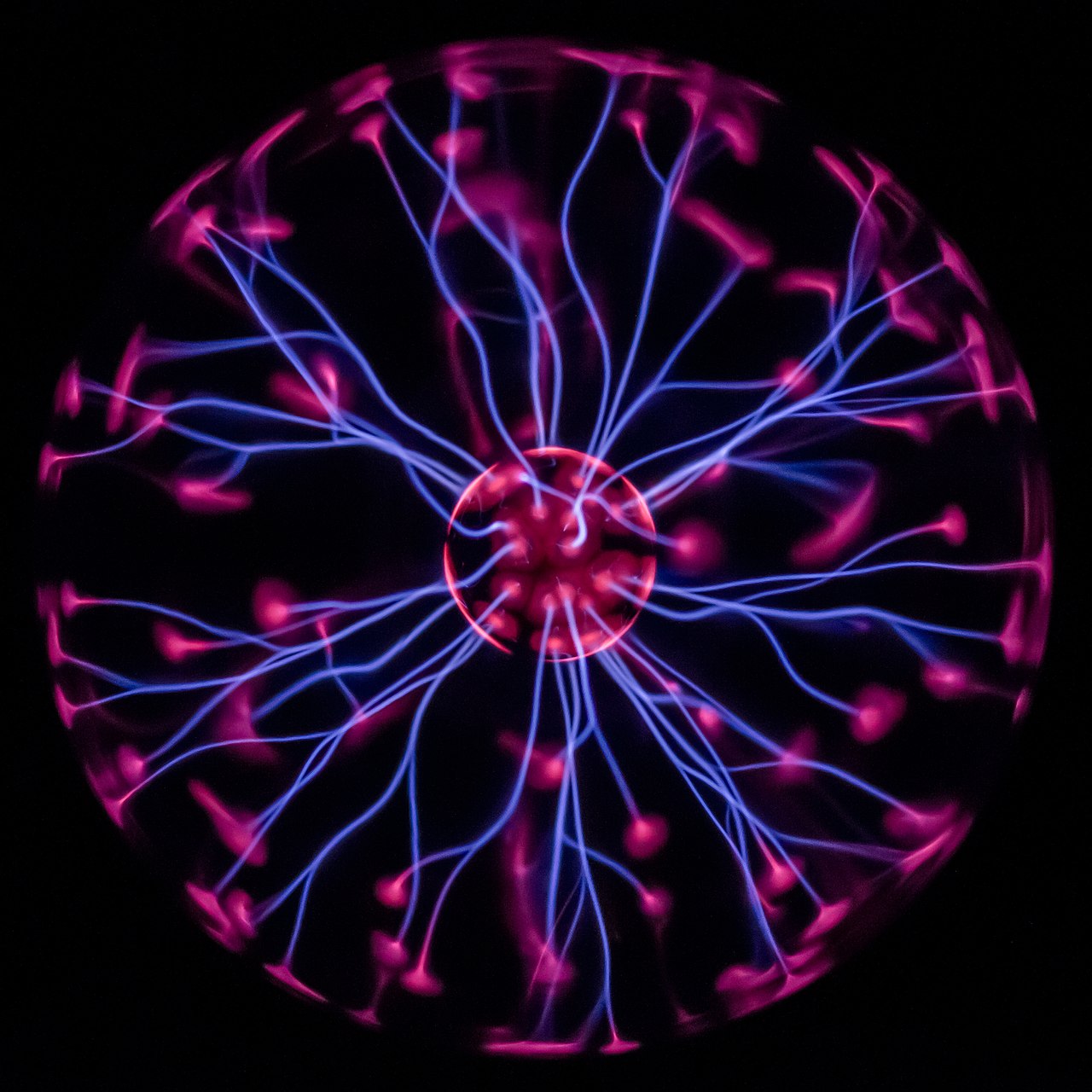
- Radiation — transfer by electromagnetic waves, which can carry energy through a vacuum (for example, sunlight).
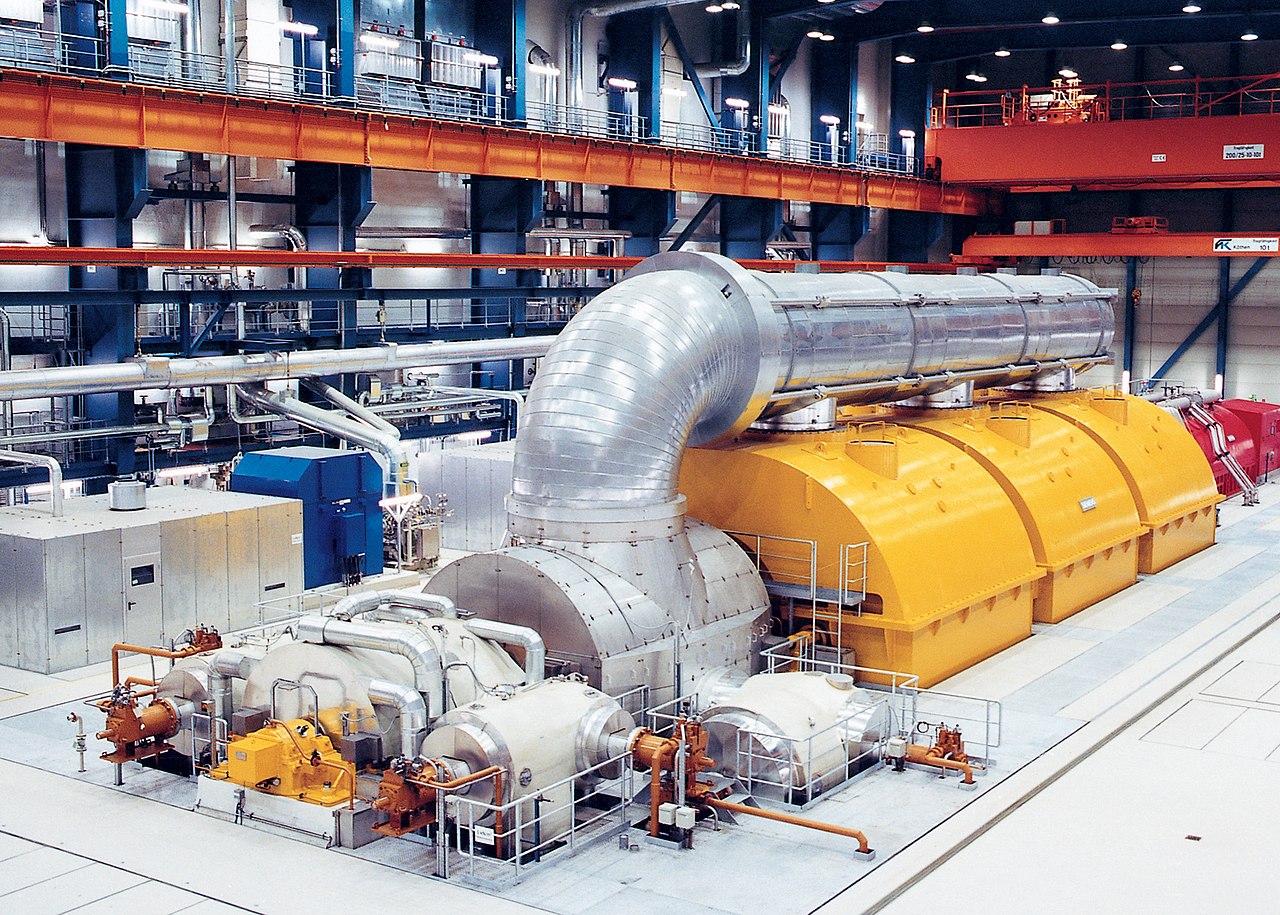
- Work and mass transfer — mechanical forces or moving matter transporting kinetic, potential, or chemical energy from one place to another.
How transfer and transformation relate
Energy transfer often accompanies energy transformation. For example, an electric heater transfers electrical energy into its coils where it transforms into thermal energy that then radiates and conducts into a room. At microscopic scales carriers such as photons, electrons, and phonons mediate specific types of transfer. The abstract quantity "energy" embraced by these carriers is discussed broadly as energy in science education and engineering.
Historical context
Recognition that energy is conserved and can be transferred and transformed emerged from work in the 18th and 19th centuries in studies of heat, work and motion. Experiments by early thermodynamicists demonstrated equivalence between mechanical work and heat, leading to the formal statement of energy conservation used in modern physics and engineering.
Importance and applications
Understanding energy transfer is essential across disciplines: engineers design heat exchangers and insulation; meteorologists model atmospheric heat transport; ecologists track energy flows through food webs; and technologists optimize batteries and power systems. Practical concerns include directionality (energy flows from higher to lower potential or temperature), rates of transfer, and losses that reduce usable energy.
Key distinctions and notable facts
Energy transfer differs from energy transformation in emphasis: transfer refers to movement between locations or systems, while transformation denotes conversion between forms. Real processes are often inefficient, producing waste heat. The conservation principle remains central: although usable forms may diminish, total energy in a closed system is conserved — a foundation of modern physical reasoning conservation of energy.
Related articles
Author
AlegsaOnline.com Energy transfer Leandro Alegsa
URL: https://en.alegsaonline.com/art/31419