
Altoona, Pennsylvania: history, rail heritage, and civic profile
Altoona is a city in south central Pennsylvania noted for its 19th-century railroad origins, the Altoona Works, Horseshoe Curve, and a 2010 population of about 46,320.
Overview
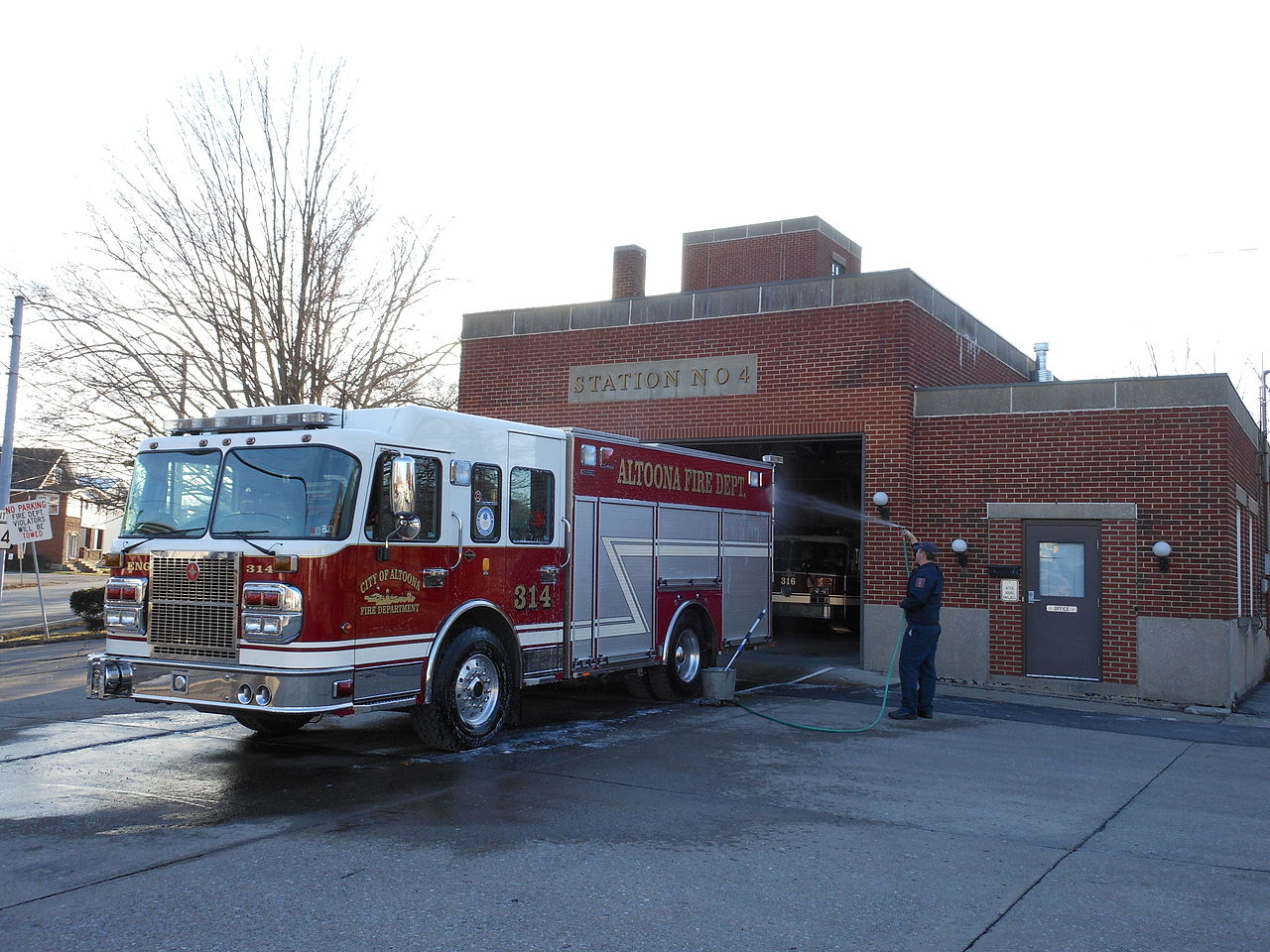
Altoona is a city in south central Pennsylvania that grew up in a mountain valley as a center of railroad activity. It had a population of roughly 46,320 at the 2010 census. The city serves as a regional hub for commerce, transportation and services within Blair County and the surrounding Appalachian foothills.
Image gallery
10 Images




Characteristics and geography
Located on the Allegheny Plateau, Altoona occupies a corridor shaped by rivers and ridges. The landscape and climate reflect the broader Appalachian region: rolling hills, mixed forests and seasons with cold winters and warm summers. Neighborhoods include a mix of residential, historic downtown, and former industrial districts tied to rail facilities.
History and development
Altoona was founded in 1849 during the rapid expansion of railroads in the United States and incorporated as a city in 1868. Its growth was driven by the Pennsylvania Railroad, which established extensive repair shops and yards—known collectively as the Altoona Works—bringing skilled labor and related industries to the area. The city’s pattern of settlement, institutions and architecture reflects that 19th- and early 20th-century industrial heritage.
Economy, transportation and importance
The railroad industry shaped Altoona’s economy for more than a century; repair shops, manufacturing and rail-related services were central employers. Although the scale of rail industry employment has declined, rail transportation remains important. Altoona is served by passenger rail and regional highways that connect it to larger cities in Pennsylvania and beyond.
Culture, education and notable sites
Altoona maintains cultural institutions, local media, schools and recreational outlets typical of a small American city. It is also known for several landmarks associated with its railroad legacy. Notable sites include:
- The Horseshoe Curve, an engineering landmark and tourist attraction illustrating 19th-century rail routing through steep terrain.
- The former Altoona Works area, where repair and locomotive construction once concentrated.
- Local museums, community arts organizations and minor league sports that contribute to civic life.
Notable distinctions
Altoona’s identity remains linked to its role in the development of American rail transportation. Its built environment, community institutions and seasonal events reflect a continuity of that heritage even as the local economy has diversified into services, retail and healthcare. For further local information see regional resources and guides at city and tourism pages.
Related articles
Author
AlegsaOnline.com Altoona, Pennsylvania: history, rail heritage, and civic profile Leandro Alegsa
URL: https://en.alegsaonline.com/art/3103