
Alūksne
Alūksne is a small historic town in northeastern Latvia, known for its lakes, castle hill and manor house. It is a local cultural and tourist center and received formal town rights in 1920.
Overview
Alūksne is a town in northeastern Latvia that serves as a local administrative and cultural center. Set amid lakes and forested countryside, it is valued for scenic landscapes, recreational opportunities and a compact historic core. The town has been granted formal town rights since 1920 and remains an important point of reference for the surrounding rural municipality.
Image gallery
10 Images



History
The settlement around Alūksne developed where medieval routes met abundant natural resources. A stone stronghold established by the Livonian Order once stood on a prominent hill, and the traces of that medieval past are part of the town’s identity. Over centuries the locality experienced changing political influence common to the Baltic region, and in the 20th century it attained modern municipal status.
Landmarks and natural features
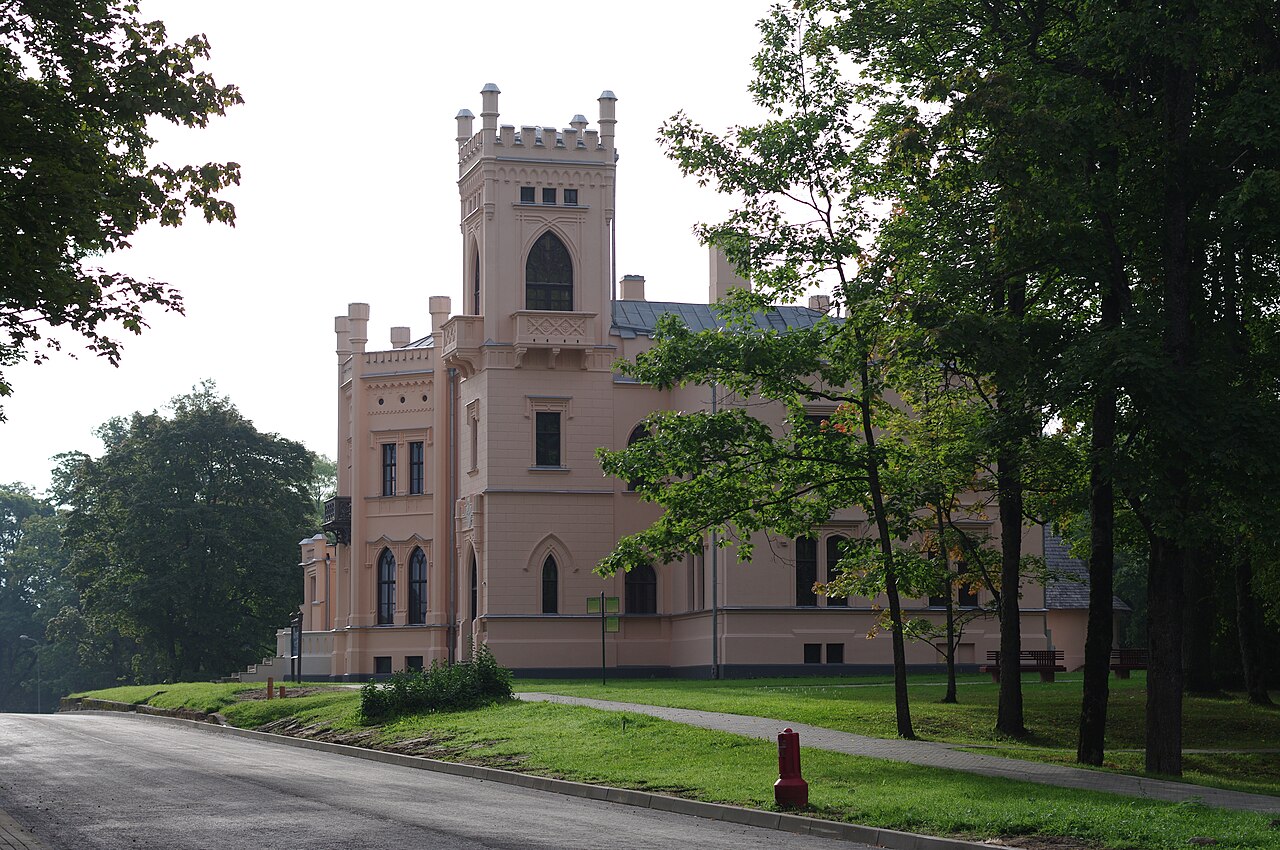
Alūksne is closely associated with several lakes, of which the largest borders the town and shapes its waterfront character. Visitors and residents frequent a castle hill with visible ruins and a later manor or manor‑house complex that now hosts cultural activities and exhibitions. Parkland, promenades and viewpoints contribute to a reputation as a destination for low‑impact nature tourism, boating and walking.
Economy, culture and community
The local economy combines municipal services, small businesses, agriculture in surrounding areas and tourism services catering to outdoor recreation. Cultural life is marked by regional museums, seasonal events and community initiatives that promote local history, arts and crafts. The town functions as a service hub for nearby villages.
Notable facts and access
Alūksne’s mixture of natural scenery and historic remains makes it distinctive among Latvian small towns. It is reachable by regional roads and bus connections from larger centers, and its lakeside setting makes it appealing for short visits, recreation and cultural exploration. The town’s long heritage and the formal recognition of town rights in 1920 are often highlighted in local descriptions.
Related articles
Author
AlegsaOnline.com Alūksne Leandro Alegsa
URL: https://en.alegsaonline.com/art/3114