
Elizabeth Garrett Anderson: pioneer physician and advocate for women in medicine
English physician (1836–1917) who overcame barriers to qualify as a doctor, founded medical institutions for women, and helped open the medical profession to women in Britain.
Overview
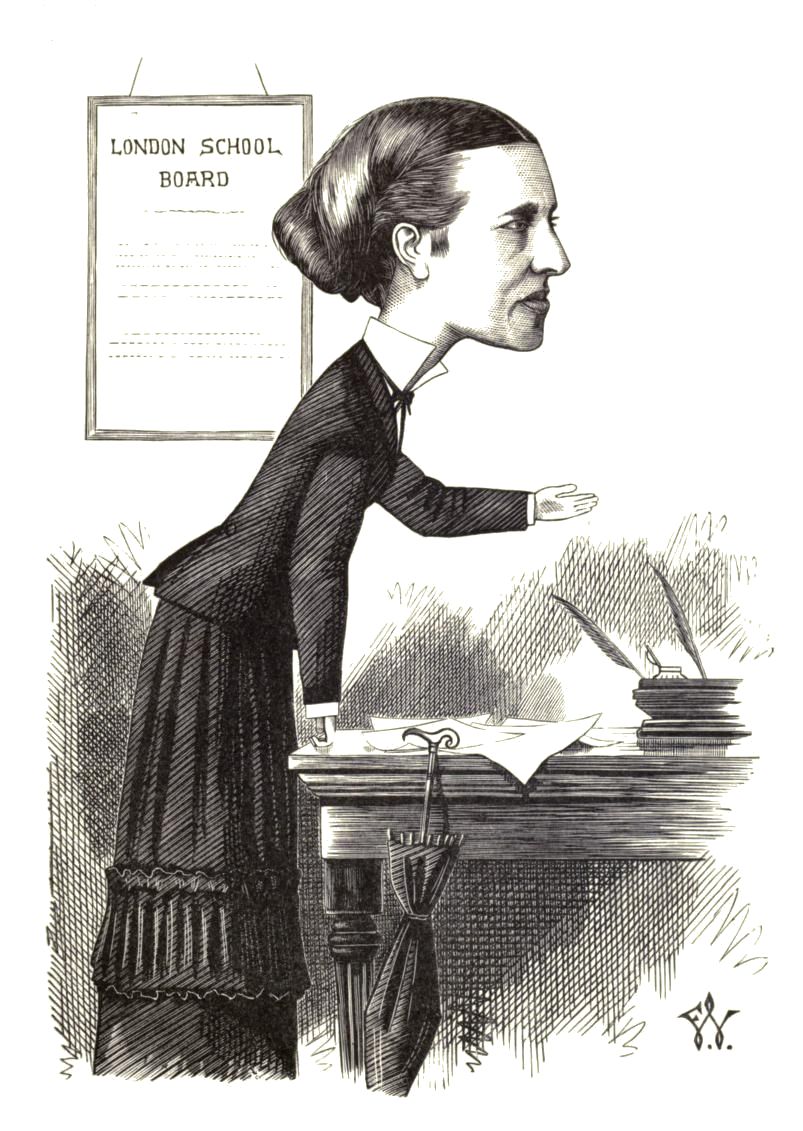
Elizabeth Garrett Anderson (9 June 1836 – 17 December 1917) was an English physician and civic leader who broke professional barriers for women in the 19th century. She is widely recognized as the first woman in Britain to qualify as a physician and surgeon and as a founder of institutions that expanded medical education and care for women. Her work combined clinical practice, institution building and public service.
Image gallery
10 Images






Early life and training
Born into a family active in reform causes, Garrett Anderson learned independently to meet the linguistic and academic requirements that closed many doors to women. She taught herself French and went on to study in Paris; she also obtained a licence to practise medicine in Britain during the 1860s and later earned a medical degree from the University of Paris. Her early efforts exposed the informal and formal obstacles women faced in professional training.
Medical career and institutions
When mainstream hospitals and medical schools refused women, Garrett Anderson set up alternative routes. She established a dispensary and later a hospital staffed by women that provided medical care to female patients and training opportunities for female practitioners. She played a leading role in creating a dedicated training institution for women doctors, the London School of Medicine for Women, and worked to secure posts and recognition for qualified women. These institutions helped convert exclusion into formal access.
Public life and civic roles
Garrett Anderson extended her influence beyond medicine into public service. She was active in local government and became the first woman in Britain to hold the civic office of mayor. Her public roles reinforced a broader argument that women could assume professional and political responsibility on equal terms with men.
Legacy and significance
Her career opened professional pathways that directly benefited generations of women doctors and patients. The hospital she founded later bore her name, and the medical school she helped to establish trained many of the first female physicians in the United Kingdom. Her sister, Millicent Fawcett, was a prominent suffrage leader; together their family contributed to wider reforms in education, medicine and political rights.
Notable facts
- She combined private study, foreign education and legal licences to overcome institutional exclusions.
- She raised a family while maintaining an active professional life and is reported to have had three children.
- Her efforts shifted public opinion and policy, encouraging other institutions to admit women.
Elizabeth Garrett Anderson remains a commonly cited example of determined reform: a practitioner who used clinical work, institutional founding and public office to transform opportunities for women in medicine and civic life.
Related articles
Author
AlegsaOnline.com Elizabeth Garrett Anderson: pioneer physician and advocate for women in medicine Leandro Alegsa
URL: https://en.alegsaonline.com/art/30877