
Eklutna Lake: glacier-fed reservoir north of Anchorage
Eklutna Lake is a glacier-fed lake north of Anchorage, Alaska, that serves as the city's principal municipal water supply and a source for hydroelectric power, while also supporting recreation and watershed conservation.
Overview
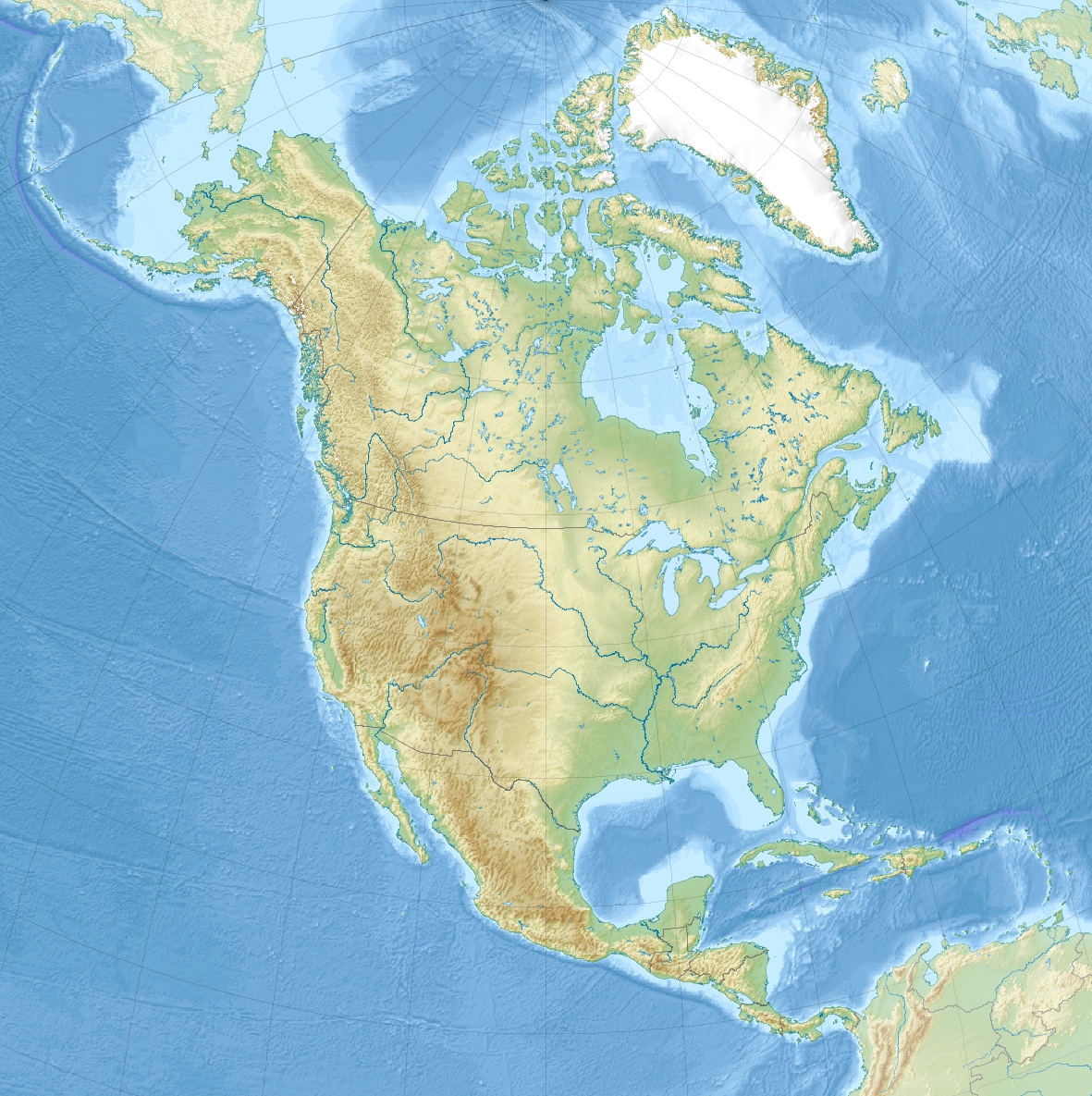
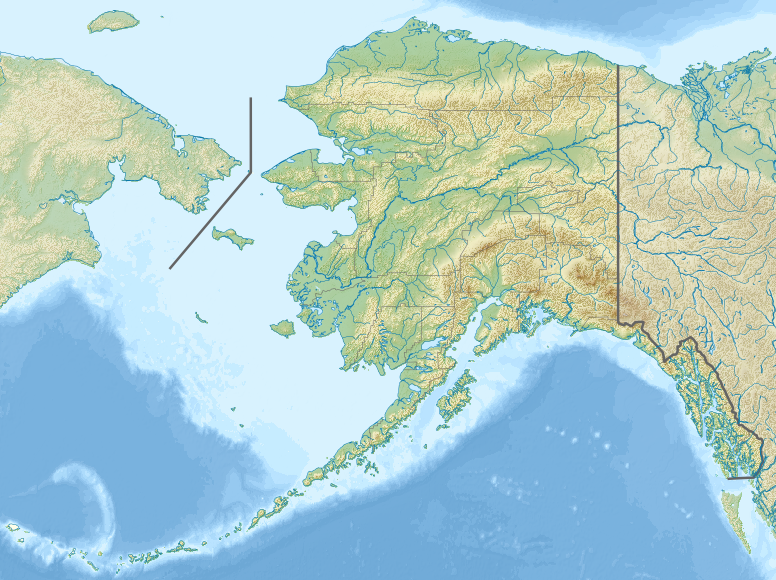
Eklutna Lake is a large, glacier-fed lake located north of the city of Anchorage in southcentral Alaska. Fed by meltwater from nearby glaciers, the lake forms the headwaters of the Eklutna River and functions as an important natural reservoir for the region. Its cold, clear water and steep-walled basin give it distinctive alpine-lake characteristics.
Image gallery
5 Images


Physical characteristics and hydrology
The lake sits in a glacially carved valley and receives seasonal inflow from snowpack and glacial melt. Water temperatures remain low year-round and clarity varies with meltwater sediment. As a headwater lake, it controls downstream flows into the Eklutna River and has been used to regulate water availability through seasonal variations in runoff.
Human uses: water supply and power
Eklutna Lake serves as the primary municipal water source for Anchorage and nearby communities. Water is stored and managed in the lake basin to provide a reliable supply through dry periods. The lake and connected infrastructure have also been harnessed for hydroelectric generation, with facilities that use the lake's water to produce renewable electricity for local needs.
Recreation and access
Beyond its utility functions, Eklutna Lake is a destination for outdoor recreation. Visitors commonly use the area for hiking, paddling, fishing, and backcountry access into surrounding mountains. Because it supplies drinking water and supports infrastructure, portions of the shoreline and immediate watershed are managed to protect water quality, and users are asked to follow posted rules and stewardship guidelines.
Conservation, history, and notable facts
The lake's existence is tied to the region's glacial history: ice carved the valley and continues to feed the basin through melt. Development of water and power infrastructure has shaped local ecology and river connectivity, prompting ongoing management balancing human needs and environmental protection. Eklutna Lake remains a significant natural resource for Anchorage, valued for its utility, scenic setting, and role in regional hydrology.
- Type: Glacier-fed alpine lake and reservoir
- Functions: Municipal water supply, hydroelectric generation, recreation
- Location: North of Anchorage, Alaska
Related articles
Author
AlegsaOnline.com Eklutna Lake: glacier-fed reservoir north of Anchorage Leandro Alegsa
URL: https://en.alegsaonline.com/art/30527
Sources
- awwu.biz : "Current USGS Eklutna Lake Level | Anchorage Water and Wastewater Utility"
- dnr.alaska.gov : "Chugach State Park"
- dnr.alaska.gov : "Eklutna Lake Campground"
- alaska.org : "Scenic Drives of Alaska | Eklutna Lake"
- adn.com : "For 89 years, a dam blocked salmon on the Eklutna River. It's finally gone"
- eklutnainc.com : "Eklutna Dam Project - Eklutna Alaska"
- usbr.gov : "Bureau of Reclamation"
- awwu.biz : "AWWU Overview | Anchorage Water and Wastewater Utility"
- alaskaglacier.com : "Home | Alaska Glacier Products | Premium Drinking Water"