
EFL Cup (Football League Cup)
The EFL Cup is an annual knockout football competition for the 92 clubs in England's top four divisions, known by sponsored names and offering domestic silverware and a route into European competition.
The EFL Cup is a nationwide knockout competition in association football open to the 92 professional clubs that make up the top four tiers of the English game. It has been staged since the early 1960s and for much of its history was called the Football League Cup; in modern times it is frequently referred to by a sponsored title. The tournament gives clubs from different divisions a structured cup pathway and often produces notable upsets and memorable finals.
Image gallery
3 Images
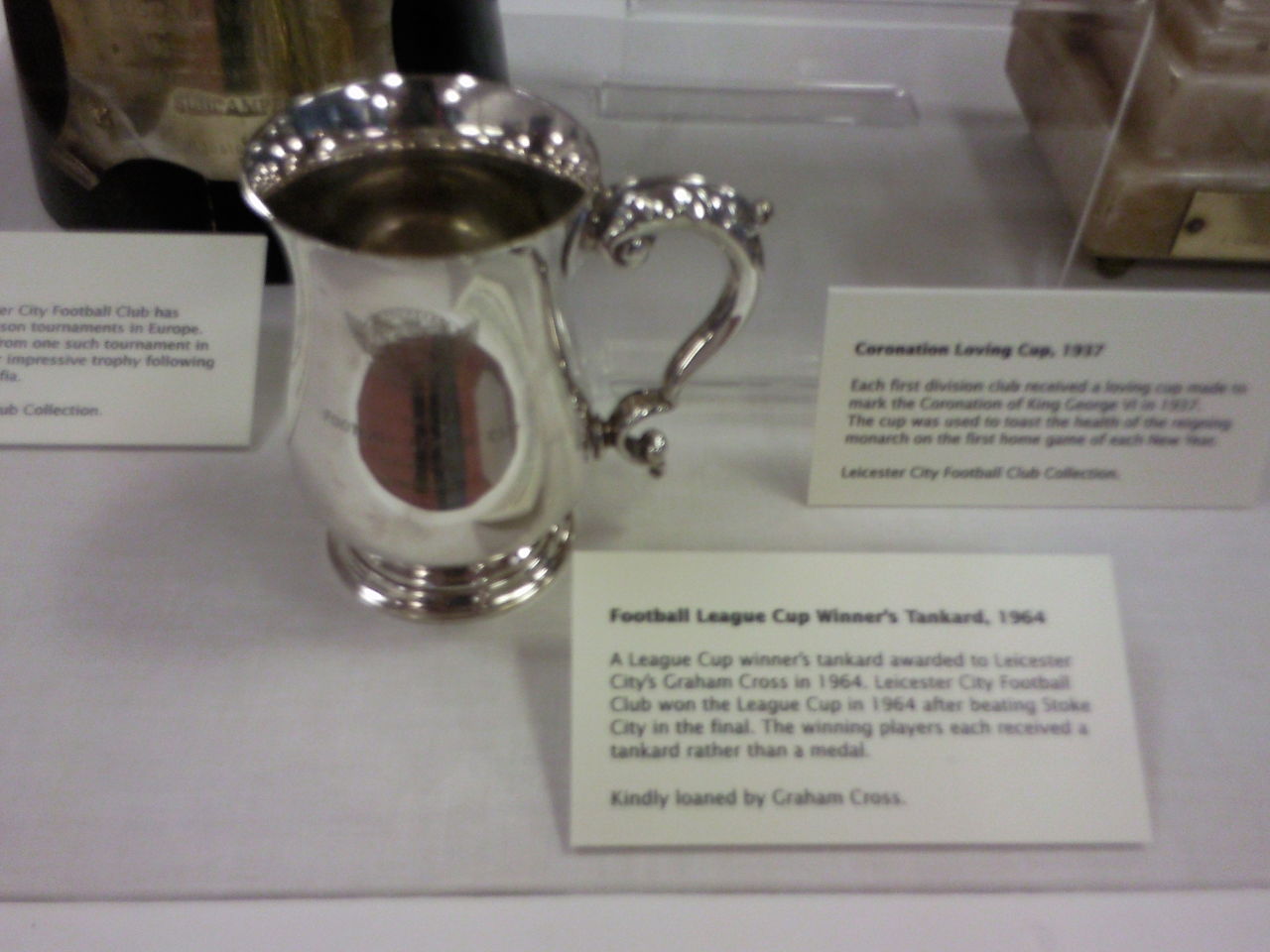

Format and participants
Entry is limited to clubs playing in the Premier League and the English Football League, a total of 92 teams. Lower-level clubs outside these four divisions are not eligible, which distinguishes this cup from larger national knockout competitions. Clubs join the competition at different stages, with clubs competing in European competition and higher-ranked teams typically entering in later rounds to balance fixture congestion.
- Eligibility: Teams in the top four English divisions (Premier League plus three tiers of the English Football League).
- Typical structure: single-elimination rounds in early stages; semi-finals have traditionally been played over two legs; the final is held at a neutral venue, most often Wembley Stadium.
- Timing: The competition begins early in the domestic season and concludes with a single-match final in winter or early spring, allowing it to finish before some other domestic cup competitions.
History and naming
Introduced in the 1960s as a competition organised by the football league, the cup was created to provide an additional national tournament and to generate extra midweek fixtures. Over time it adopted various sponsored names, reflecting commercial partnerships, while many fans still refer to it by the older Football League Cup title. The competition has evolved in format and scheduling but has consistently offered clubs a realistic chance at silverware outside the league campaign.
Because it is run by the league structure rather than by the national association that manages the broader game, the EFL Cup is narrower in scope than the FA Cup. The FA Cup is open to a very large number of teams from many levels and is run by the national governing body, whereas the EFL Cup is restricted to professional clubs in the top four divisions and is organised within the league system.
Significance and impact
The EFL Cup holds both practical and symbolic value. For many clubs it represents an attainable trophy and a platform to test younger or squad players; for smaller clubs, a deep run can bring financial windfalls and national attention. Winning the cup has traditionally carried the additional benefit of qualification for European competition, offering a route into continental tournaments for clubs that might not qualify via league position.
Matches in the EFL Cup often showcase rotation by larger clubs facing congested schedules, and the competition has produced surprising "giant-killings" when lower-division teams defeat top-flight opponents. Fans and managers prize the trophy as a piece of domestic silverware and as a competitive early-season objective for squads of varying strengths.
Distinctions and notable features
- The EFL Cup is restricted to the 92 clubs of the Premier League and the English Football League, unlike broader national cups run by the FA (FA Cup).
- Several Welsh clubs that play in the English league system are eligible to participate and have historically taken part (Wales involvement).
- The competition is part of the domestic calendar managed alongside league fixtures and complements the competitions overseen by the national body (The Football Association).
For readers seeking general context about the sport and the competition’s place within it, the EFL Cup sits within the broader landscape of association football in England and interacts closely with league and continental tournaments as clubs balance multiple objectives across a season.
Further details, including current rules, recent winners, and seasonal schedules, are regularly updated by official outlets and coverage sources; the competition’s commercial naming may change over time while its role as a national league cup endures.
Related articles
Author
AlegsaOnline.com EFL Cup (Football League Cup) Leandro Alegsa
URL: https://en.alegsaonline.com/art/30347