
Education in India: system, history, and contemporary challenges
A concise overview of India’s education system: stages from pre‑primary to higher education, major policies and institutions, and persistent issues such as access, quality, and employment links.
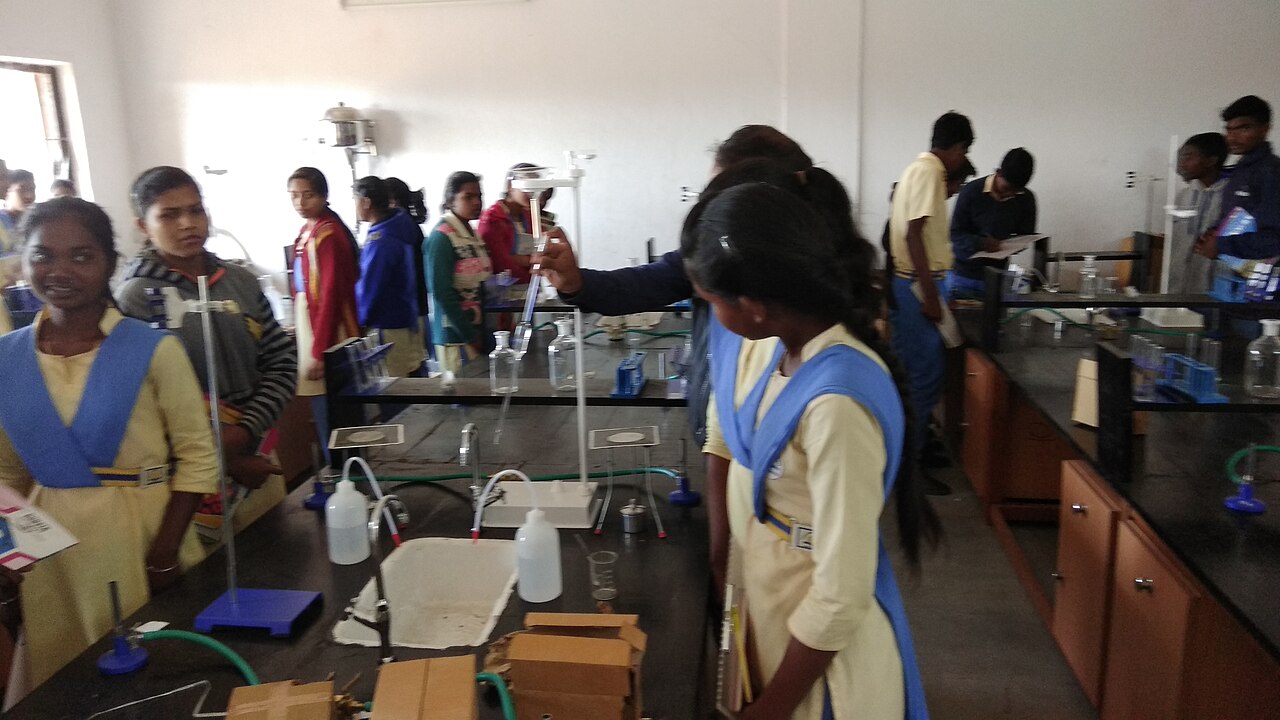
Education in India encompasses a vast and diverse set of institutions, legal frameworks, and local practices that serve the world’s second‑largest population. Public policy makes elementary schooling free and compulsory for children in the early school years, and a wide network of private schools, religious institutions, and non‑formal programmes supplements government provision. Because demographic scale shapes demand for places, pathways into high‑paying employment are intensely competitive; readers can find additional context via related resources.
Image gallery
10 Images





Structure and stages
The system is commonly described in stages that guide curriculum, assessment, and administration. At a broad level, these include:
- Early childhood and pre‑primary education—growth in play‑based and preparatory programmes in recent decades.
- Primary or elementary schooling—compulsory schooling for young children is established in law and policy.
- Upper primary and secondary education—preparation for national or state examinations and vocational options.
- Higher secondary and tertiary education—college, universities, professional schools, and technical institutes that award degrees and diplomas.
History, policy and notable institutions
India’s modern public education architecture developed during the 20th century and expanded rapidly after independence. Key policy milestones include nationwide efforts to universalize basic schooling and legislation that guarantees free and compulsory elementary education. The country hosts a mix of state boards, national boards such as the CBSE and ICSE, and a growing private sector. A small number of specialised institutes—technical and management schools—are widely recognised for high standards and competitive selection.
Government programmes have targeted enrollment and retention through measures such as midday meals, scholarships for disadvantaged groups, and initiatives to improve teacher training and learning materials. Vocational and skill development schemes aim to better link education with the labour market.
Challenges and distinctions. Major challenges include uneven quality between regions, gaps between urban and rural provision, teacher shortages in some areas, and disparities related to income, gender and social background. Assessment and board examinations differ across states and national systems, and families often choose private schooling for perceived quality or language preferences. Policy debate continues over curriculum reforms, digital learning, and how best to expand higher education capacity while preserving standards.
Despite persistent problems, education is widely seen as a primary route to social mobility and economic participation in India. Ongoing reforms and investments seek to broaden access, raise learning outcomes, and improve the transition from schooling into a competitive labour market.
Related articles
Author
AlegsaOnline.com Education in India: system, history, and contemporary challenges Leandro Alegsa
URL: https://en.alegsaonline.com/art/30240