
Eddie Condon — American jazz guitarist and bandleader
Eddie Condon (1905–1973) was a Chicago-born jazz rhythm guitarist and influential bandleader associated with small-group Dixieland and swing; he ran clubs, organized sessions, and helped shape the jazz revival.
Overview
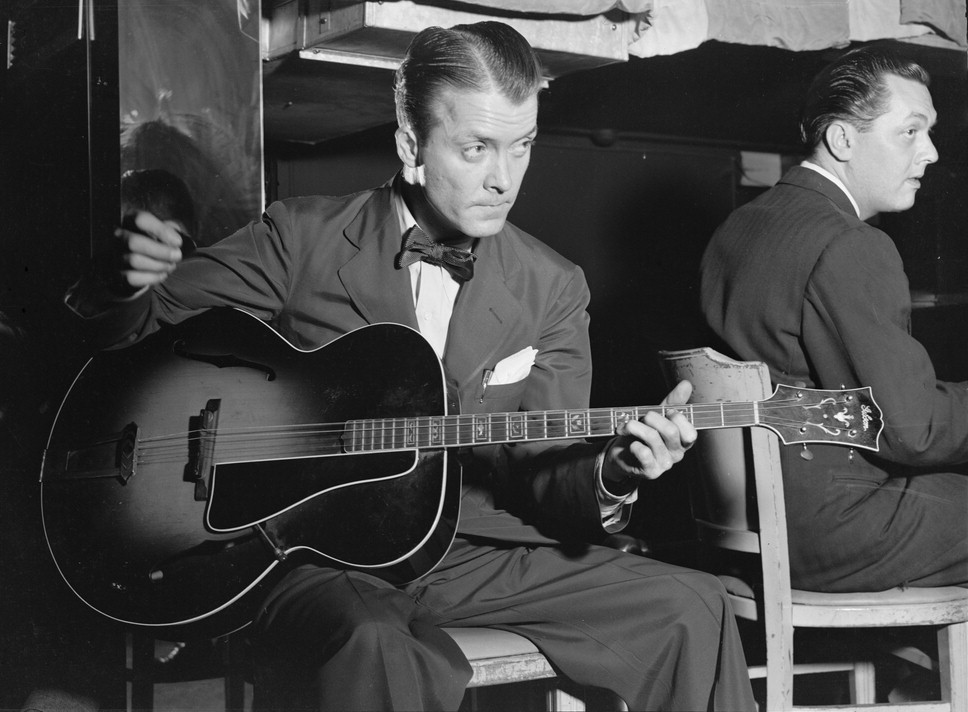
Albert Edwin "Eddie" Condon (November 16, 1905 – August 4, 1973) was an American jazz musician best known as a rhythm guitarist and a central figure in the Chicago and New York jazz scenes. He became prominent in the 1920s and remained influential through the mid-20th century, often associated with small-group Dixieland and swing traditions. His career linked the Chicago style to later revival movements and made him a familiar name among musicians and listeners.
Image gallery
4 Images

Career and clubs
Condon began performing professionally in the 1920s and moved between Chicago and New York as his reputation grew. He organized pick-up sessions, led bands and helped run a series of clubs that bore his name. Eddie Condon's nightclub in New York became a notable venue where both established figures and younger players met to play informal sets, fostering a communal atmosphere that helped sustain mainstream jazz through changing tastes.
Musical style and influence
Condon favored a steady, chordal rhythm guitar role that emphasized ensemble cohesion and swing feel rather than virtuosic solos. His approach supported horn players and drove the rhythm section, making him a sought-after accompanist in both recordings and jams. Musicians credit him with helping preserve and promote the classic small-group jazz aesthetic during periods when larger orchestras and new styles competed for attention.
Collaborations and recordings
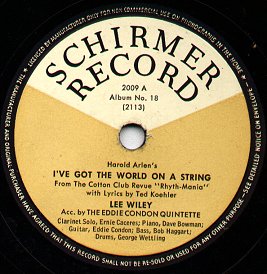
Throughout his career Condon worked with many leading players of his era and helped organize studio dates that paired notable improvisers. Frequent collaborators included figures such as Chicago-area veterans and nationally known artists in jazz circles. His sessions often blended members of different bands and generations, and he is remembered for recordings and broadcasts that documented the social, collective spirit of the music. He also had ties to the broader big band era through shared personnel and occasional crossover projects.
Legacy
Condon is remembered less for flashy soloing than for his leadership, hospitality and role as a connector of musicians. His clubs and recordings influenced the Dixieland revival and provided a model for musician-led venues. Histories of American jazz cite him as an important link between early-20th-century Chicago jazz and mid-century revival movements that kept traditional ensemble playing alive.
Related articles
Author
AlegsaOnline.com Eddie Condon — American jazz guitarist and bandleader Leandro Alegsa
URL: https://en.alegsaonline.com/art/30045