
Ector County, Texas
Ector County is a West Texas county centered on Odessa, known for its role in the Permian Basin oil region. The county had 121,123 residents at the 2010 census and serves as a regional economic hub.
Overview
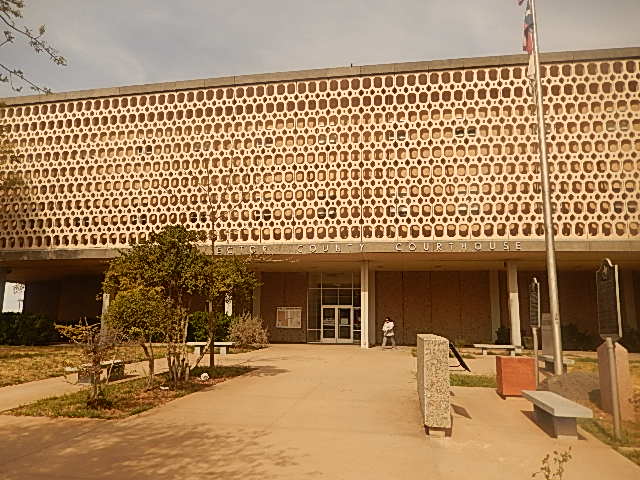
Ector County is located in the western part of the U.S. state of Texas. The county seat and largest city is Odessa, which is the principal center for government, commerce and services within the county. In 2010 the recorded population was 121,123; the area functions as a regional hub for surrounding rural communities and the energy industry.
Image gallery
4 Images


Geography and environment
The county sits on the high plains of West Texas and is part of the broad Permian Basin region. The climate is semi-arid, with vegetation typical of shortgrass prairie and scrub. Land use combines urban and residential areas around Odessa with oilfield operations, highways and agricultural or ranching parcels in more rural zones.
History and name
Ector County developed as settlement spread across West Texas in the late 19th and early 20th centuries. Growth accelerated with rail access and later with oil discoveries that reshaped the local economy and population patterns. The county is generally reported to be named for Matthew Ector, a 19th-century Texas figure.
Economy and demographics
The local economy has been strongly influenced by oil and natural gas extraction in the Permian Basin, and by businesses that provide services to energy workers and their families. Odessa hosts schools, health-care facilities and retail that serve both residents and workers from nearby counties. The population mix includes long-term local families and workers who move in connection with energy-industry cycles.
Government, services and culture
County government administers courts, public safety, roads and other services from the county seat. Community life combines Western Texas traditions, school and civic events, and cultural institutions such as museums and performing venues. Recreational facilities, parks and public programs support residents and visitors.
Notable features and resources
- Regional center: the county seat concentrates administrative offices and services in Odessa.
- Energy economy: a long-standing role in the Permian Basin oil and gas industry influences employment and infrastructure.
- Transport and infrastructure: major highways and local roads support commerce, industry and commuting.
- Community services: education, health care and civic organizations provide regional support.
For official county information, planning resources and visitor guidance consult local government and regional agencies via their online pages and public offices. Additional resources and statistical profiles may be available through state publications and regional economic reports; for direct links and local contacts see county and municipal resources linked above or contact local administrative offices.
Further reading and local guides can provide more detail on history, demographics and current development trends for Ector County and the city of Odessa. For administrative matters and services, the county seat remains the primary point of contact.
Related resources: county overview, regional data sources and community portals may offer updated figures and notices about public meetings, zoning and services.
Related articles
Author
AlegsaOnline.com Ector County, Texas Leandro Alegsa
URL: https://en.alegsaonline.com/art/29990