
Eaux-Puiseaux — commune in Aube, Grand Est, France
Eaux-Puiseaux is a small rural commune in the Aube département of north-central France, known for its agricultural landscape, historical roots, and typical local institutions of French village life.
Overview
Eaux-Puiseaux is a small commune located in the north-central part of France. It lies within the administrative boundaries of the Aube department, a territorial division commonly referred to as a département. Like many villages in the region, it functions as a local unit of government and community life, centered on farming, local services and communal institutions.
Image gallery
1 Image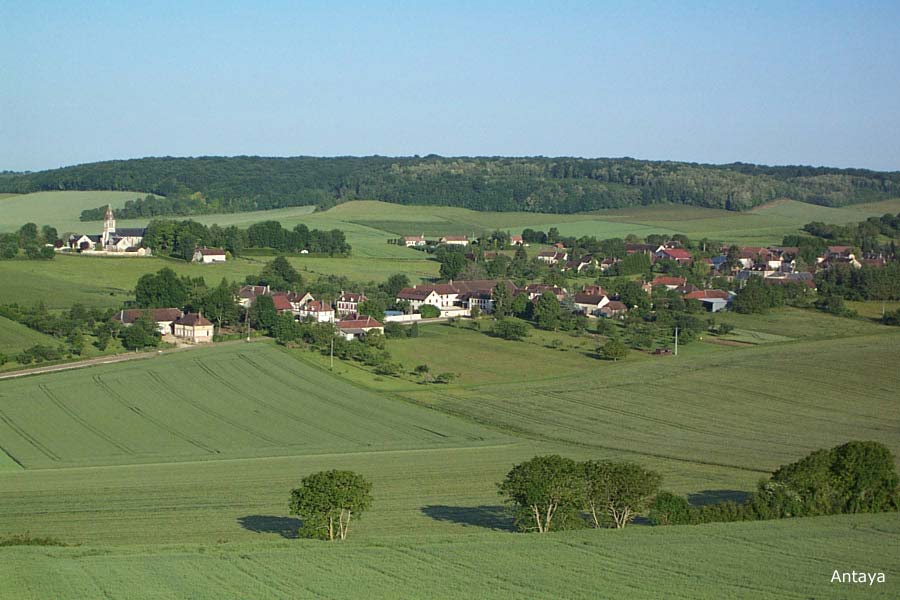
Geography and name
The name Eaux-Puiseaux combines French words for water and old forms of well or spring, suggesting historical links to local water sources. The surrounding landscape is predominantly rural: open agricultural fields, small wooded parcels and minor streams or springs are typical. Its setting reflects the gentle plains and low plateaus of the broader Grand Est area.
History and development
The village has origins in the historic settlement patterns of north-central France. Over centuries such communes developed around parish structures, small market activities and agriculture. Administrative reforms in modern France integrated these villages into departmental and regional systems while preserving local municipal governance.
Administration and community
Eaux-Puiseaux is governed by a municipal council and mayor, providing local services such as maintenance of communal buildings, small public works and cultural life. The population is modest, characteristic of rural communes: community life often revolves around the town hall, the village church, and seasonal events.
Economy, landmarks and everyday life
The local economy is principally agricultural, with mixed farming and countryside occupations predominant. Typical landmarks in such communes include a mairie (town hall), a parish church, a war memorial and traditional houses. The village’s name hints at natural springs or wells that may have been important in its foundation and daily life.
Access and significance
Transport connections are usually by departmental roads linking the commune to nearby towns and services. Eaux-Puiseaux illustrates the many small rural communes that together form the social and agricultural fabric of the French countryside, contributing to regional identity, landscape stewardship and local traditions.
Related articles
Author
AlegsaOnline.com Eaux-Puiseaux — commune in Aube, Grand Est, France Leandro Alegsa
URL: https://en.alegsaonline.com/art/29819