
Ecbatana: Ancient Median Capital and the City Beneath Hamadan
Ecbatana was an important ancient city in the Iranian plateau, long identified as the Median capital and later reused by successive empires; its site lies beneath the modern city of Hamadan.
Overview
Ecbatana (classical Greek name) refers to an ancient city on the Iranian plateau traditionally regarded as the chief city of the Median kingdom in the first millennium BCE. It occupies a prominent tell and elevated site that corresponds to the location of modern Hamadan. For basic geographic reference see coordinates.
Image gallery
10 Images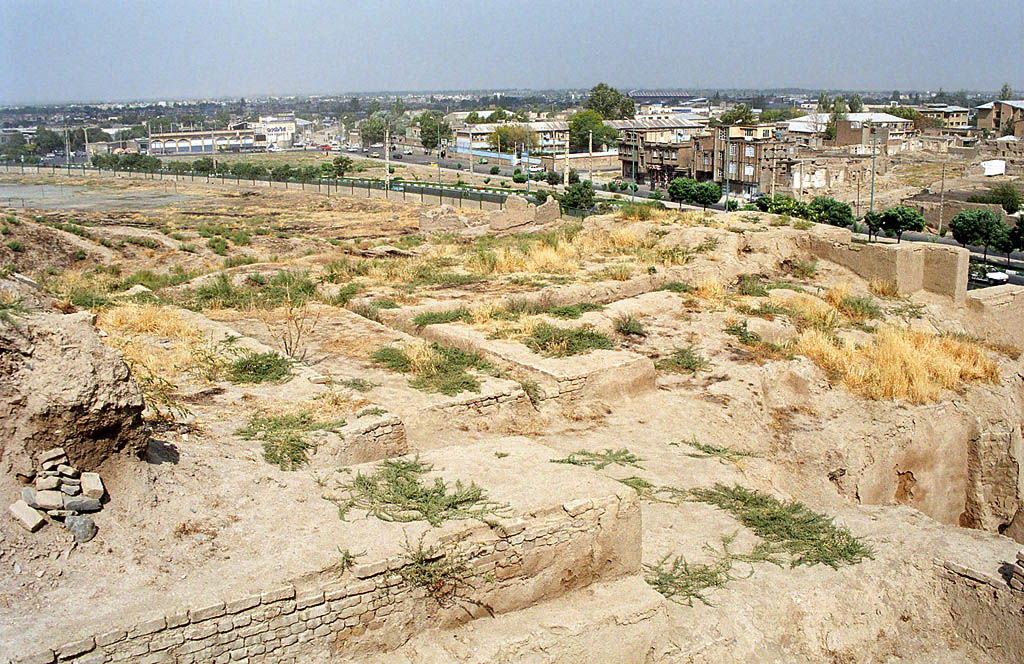



Location and characteristics
Located in the western interior of what is now Iran, Ecbatana sat on routes linking the Iranian plateau with Mesopotamia and the Zagros highlands. Ancient authors describe it as a fortified and well-placed royal center; archaeological work has revealed a multi-layered city mound with successive occupation levels. The site is often discussed in studies of early Iranian urbanism and ancient Near Eastern capitals.
History and development
Ecbatana is conventionally identified as the capital of the Medes and thus figures in accounts of the rise of Median political power in the first millennium BCE. Classical and Near Eastern sources present it as an important royal residence and administrative center, and later rulers — including the Achaemenids, Seleucids and Parthians — used the place for various administrative or seasonal purposes. In summary:
- Early: Median period, often called the city’s formative era.
- Imperial: Incorporated and repurposed by successive empires.
- Later history: Continuity of settlement into the Islamic era and beyond.
Archaeology and significance
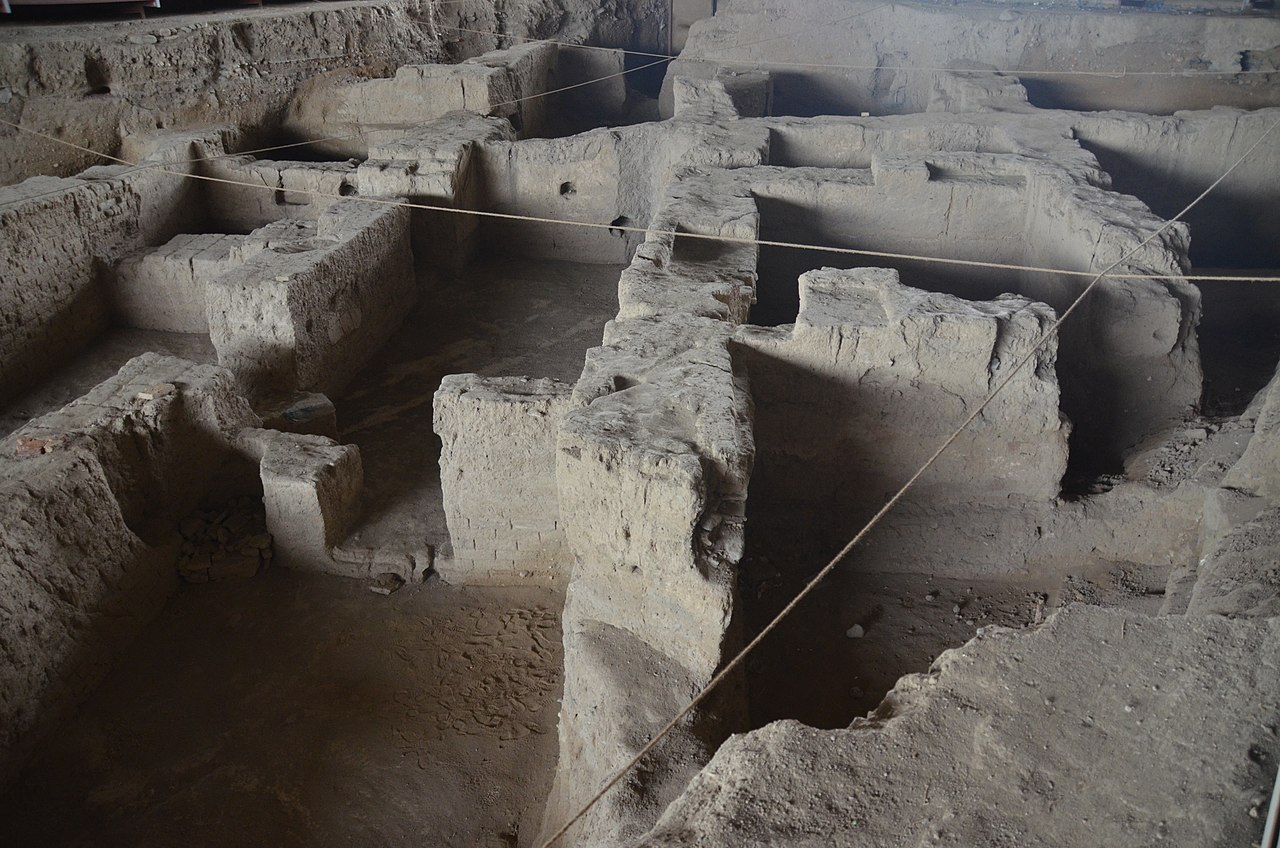
Excavations and surveys around the Hamadan tell have uncovered fortification remains, habitation layers and artifacts spanning the Iron Age through historical periods. While the visible monuments of classical writers are reduced or built over, the site remains a key reference for reconstructing Median political geography and early Iranian state formation. Museums and publications document these finds and contextualize them within the broader history of the region; see archaeological summaries and modern accounts for details (city studies, capital histories).
Legacy and modern Hamadan
The name Ecbatana survives in historical literature and is an important element in cultural memory for the region. The modern urban center on the same site, Hamadan, preserves continuity of settlement and serves as the primary living repository of the ancient site's layered past. For further reading consult general references on Median history and regional archaeology (Median Empire entries and surveys).
Questions and answers
Q: What are the coordinates of Ecbatana?
A: The coordinates of Ecbatana are 34°48′23″N 48°30′58″E.
Q: Which modern Iranian city was built in the same place as Ecbatana?
A: The modern Iranian city built in the same place as Ecbatana is Hamadan.
Q: What was Ecbatana?
A: Ecbatana was an ancient Iranian city.
Q: What was the capital city of the Median Empire?
A: The capital city of the Median Empire was Ecbatana.
Q: What is the name of the modern Iranian city that was built in the same place as Ecbatana?
A: The modern Iranian city built in the same place as Ecbatana is called Hamadan.
Q: How is the location of Ecbatana described using coordinates?
A: The location of Ecbatana is described using coordinates: 34°48′23″N 48°30′58″E.
Q: What is the significance of Hamadan?
A: Hamadan is significant because it was built in the same place as the ancient Iranian city of Ecbatana, which was the capital city of the Median Empire.
Related articles
Author
AlegsaOnline.com Ecbatana: Ancient Median Capital and the City Beneath Hamadan Leandro Alegsa
URL: https://en.alegsaonline.com/art/29855
Sources
- thefreedictionary.com : "Ecbatana"