
Duvet: definition, materials, care and distinctions
A duvet is a soft bed covering filled with down, feathers or synthetic fibers and used with a removable cover; this article covers construction, history, care, uses and key differences from quilts and comforters.
Overview
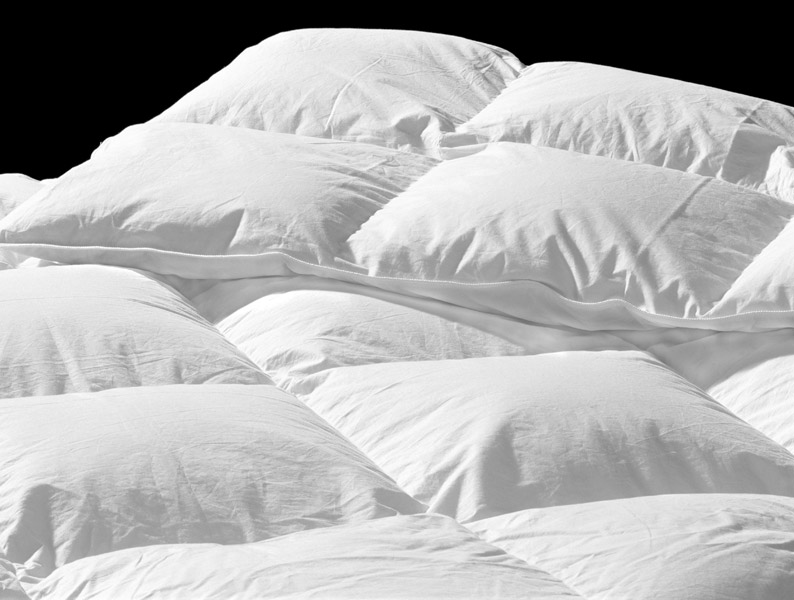
A duvet is a type of bedding: a soft, usually fluffy blanket filled with insulating material and designed to be used on a bed. In common practice a duvet is placed inside a removable fabric cover, which protects the filling and can be changed to suit decor. Because of this two-part arrangement, a duvet functions as both a warm layer and an easily laundered outer surface.
Image gallery
3 Images

Construction and common materials
Typical duvets have an outer shell made from cotton, linen, or blended fabrics and an inner filling that provides warmth. Fill materials include natural options such as feathers and down and synthetic choices like polyester fibers, hollowfibre, and microfibre. Down — the soft layer beneath bird feathers — is prized for its high warmth-to-weight ratio, while synthetic fills are often chosen for lower cost, easier care, and hypoallergenic properties. Duvets are available in a range of weights and "tog" or thermal ratings to suit different climates and seasons.
History and terminology
The word "duvet" is borrowed from French and literally means "down". The idea of using soft filled bedding has long roots in cold climates of northern Europe, where down and feathered covers were valued for their insulating properties. The modern duvet as a removable-insert system became widespread in the 20th century and has since spread globally, though regional naming varies: in some countries the term "comforter" or "continental quilt" is more common.
Uses, advantages and examples
Duvets are primarily used for sleeping comfort and temperature regulation. Advantages include:
- Ease of cleaning: only the cover usually needs frequent washing.
- Versatility: covers can be changed for style without replacing the filling.
- Thermal efficiency: down-filled duvets provide strong insulation with low bulk.
They are used across household bedrooms, hotels, and hospitality settings where quick cover changes and a consistent bed appearance are important. For more context on bedding types, see a general resource on bedding blanket choices.
Care, allergies and ethical considerations
Care guidance depends on materials: many covers are machine-washable, while some duvet inserts require gentle cleaning or professional laundering. Regularly airing a duvet, using a washable cover, and following manufacturer instructions extend lifespan. People with allergies often prefer synthetic fills or certified hypoallergenic down; ethical considerations have increased demand for responsibly sourced down certified by recognized standards.
Distinctions and notable facts
Important distinctions: a duvet is normally an insert plus removable cover, while a comforter is usually a single quilted item designed to be used without a separate cover. Quilts and bedspreads are different still in construction and decorative intent. The duvet's modular design—insert plus cover—remains its defining practical and cultural trait.
Further reading: practical care tips and regional naming conventions can be found through consumer guides and textile references; professional laundering is recommended for large or delicate inserts.
Author
AlegsaOnline.com Duvet: definition, materials, care and distinctions Leandro Alegsa
URL: https://en.alegsaonline.com/art/29373