
Druyes-les-Belles-Fontaines
Druyes-les-Belles-Fontaines is a small historic commune in the Yonne department of central France, known for its medieval castle, abundant natural springs and preserved village character.
Overview
Druyes-les-Belles-Fontaines is a rural commune in the Yonne department of central France. The village is often noted for its compact historic core, a striking medieval castle ruin that dominates the skyline, and a network of natural springs and fountains that inspired the modern name.
Image gallery
2 Images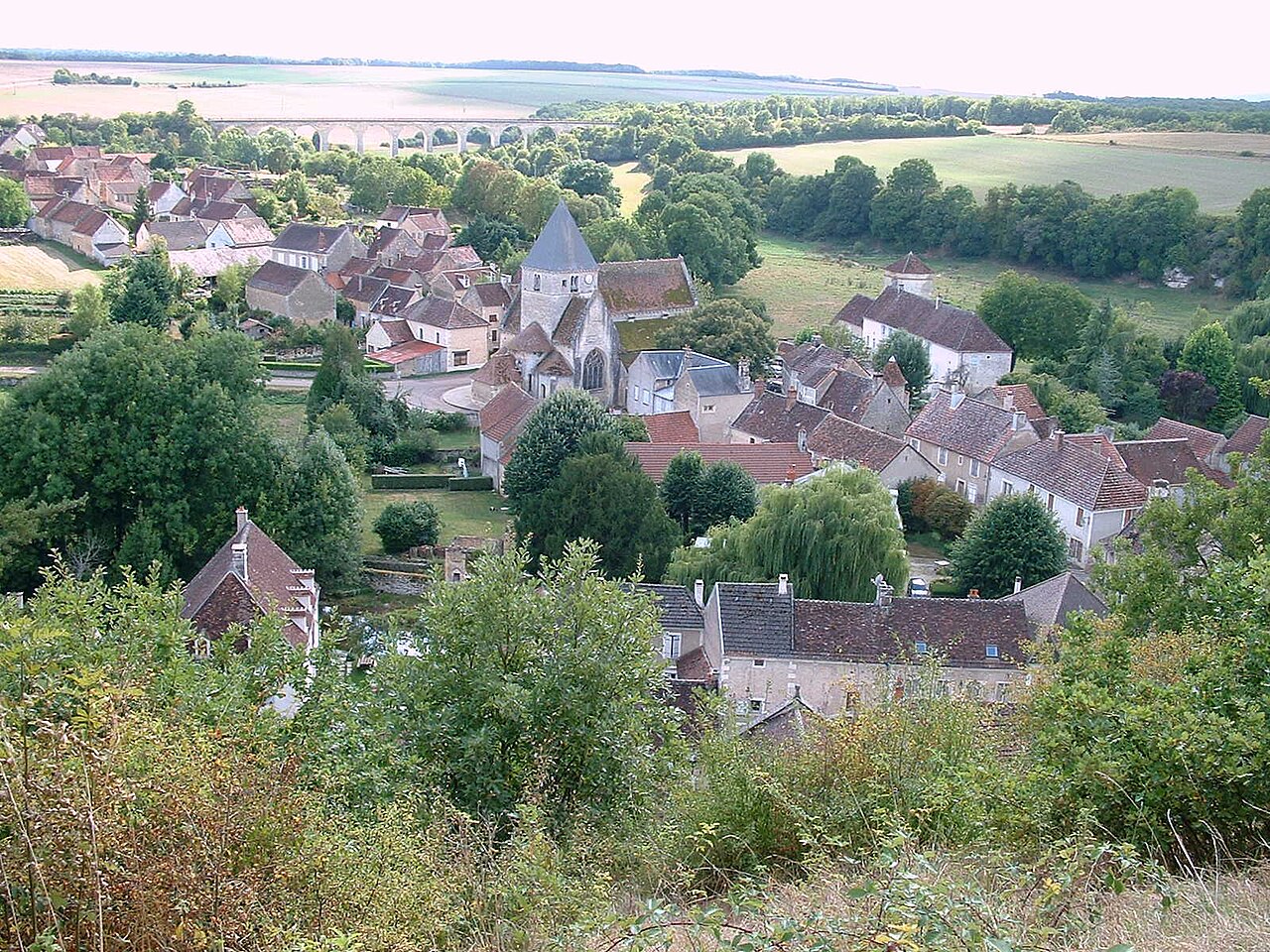

Historic and architectural features
The settlement preserves the traces of a fortified past: the remains of a stone castle and defensive walls sit beside narrow streets and traditional houses. A village church and several ancillary buildings reflect the layered architectural history typical of small Burgundian communities. Visitors can observe masonry, arch forms and surviving towers that convey a sense of the medieval town plan.
Geography and environment
Set within the rolling countryside of the Bourgogne-Franche-Comté region, Druyes-les-Belles-Fontaines benefits from a rural landscape of pastures, wooded parcels and freshwater springs. The many fountains and natural outlets are a local environmental and cultural feature, giving residents and visitors reliable water sources and picturesque spots for walking and photography.
Culture, tourism and economy
Tourism in the village centers on heritage and outdoor recreation. Points of interest include the castle ruins, historic streets, and scenic springs. Small-scale agriculture and local services support the resident population. Community life is punctuated by occasional markets, heritage events and guided visits that explain the site’s history and conservation work.
Practical information and significance
- Commune information and local administration provide visitor details and contact points.
- The location within the Yonne department links it to wider regional services and transport routes.
- As part of central France, the village is accessible from nearby towns and enjoys the broader cultural context of Burgundy central France.
Although modest in size, Druyes-les-Belles-Fontaines is a clear example of a small French commune where natural springs, medieval remains and rural traditions combine to form a distinctive local identity. Visitors interested in history, landscape and quieter country life will find the village representative of the region’s heritage and charm.
Related articles
Author
AlegsaOnline.com Druyes-les-Belles-Fontaines Leandro Alegsa
URL: https://en.alegsaonline.com/art/29042
Sources
- insee.fr : INSEE