
Drunkenness (Alcohol Intoxication)
Drunkenness, or alcohol intoxication, is the temporary impairment of mental and physical functions caused by consuming alcoholic beverages. It ranges from mild impairment to life‑threatening poisoning.
Overview
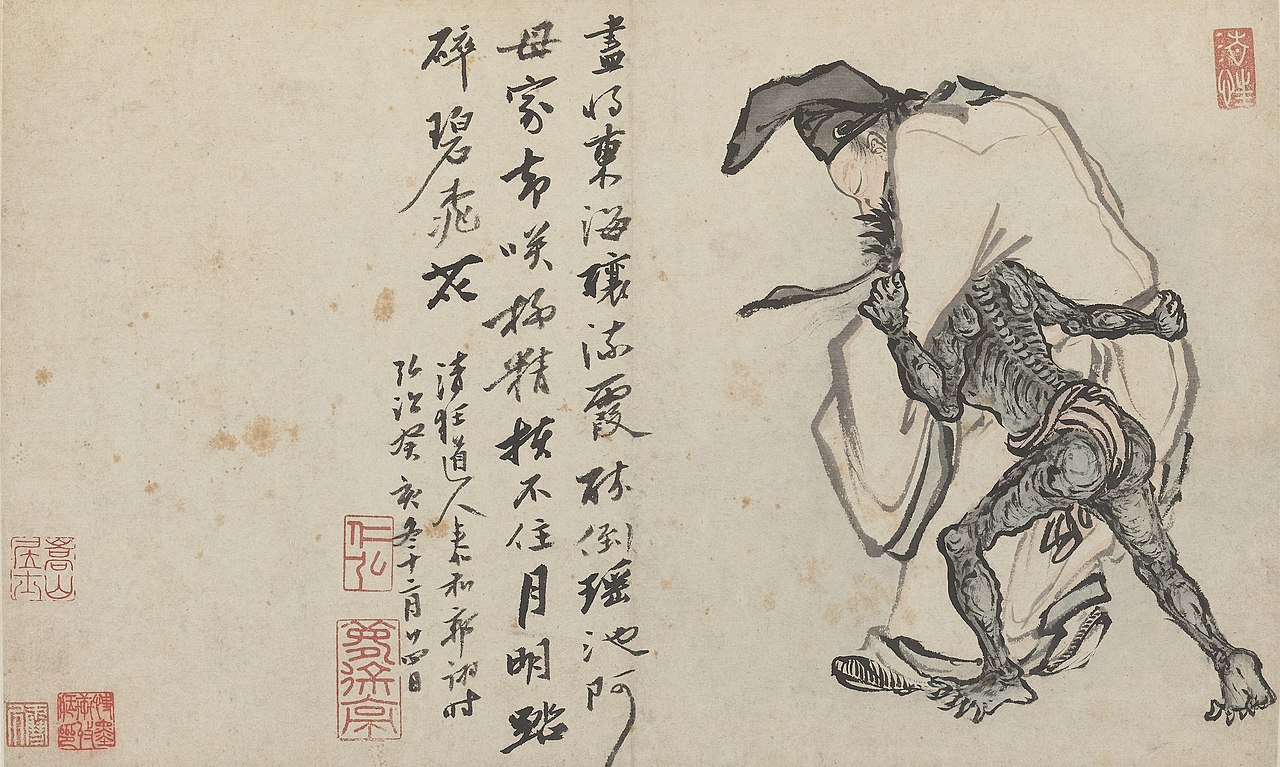
Drunkenness, also called alcohol intoxication, describes a state in which drinking disrupts normal cognition, coordination and behaviour. A person who is intoxicated is commonly referred to as "drunk." The condition results when ethanol or other alcohols affect the central nervous system after absorption into the bloodstream. Medical and legal definitions vary; see intoxicated for related terminology and alcohol for the substance involved. Alcohol alters the function of the brain and other organs, producing the characteristic effects of drunkenness.
Image gallery
10 Images







Signs and symptoms
Symptoms appear on a continuum from mild changes in mood and judgment to severe physical impairment. Common signs include:
- Impaired coordination, slowed reflexes and unsteady walking
- Reduced inhibition, altered speech, slurred words and impaired concentration
- Nausea, vomiting and possible confusion or memory lapses
- In extreme cases: unconsciousness, dangerously slow breathing, hypothermia and risk of aspiration
Causes and measurement
The intensity of effects depends on the amount and concentration of alcohol consumed, body size, sex, metabolic rate, recent food intake and tolerance. Blood alcohol concentration (BAC) is used to quantify intoxication; legal driving limits differ by country and are commonly set between about 0.05% and 0.08%.
Risks and complications
Beyond immediate accidents and injuries, repeated heavy drinking increases long‑term risks such as liver disease, cardiovascular problems and dependence. Acute alcohol poisoning is a medical emergency. Withdrawal from heavy, prolonged use can also be medically dangerous and sometimes requires supervised treatment.
Context, culture and law
Attitudes toward drunkenness have varied across cultures and eras: many societies regulate public drinking, set age limits, and impose penalties for intoxicated driving. Social responses range from informal stigma to clinical intervention for substance use disorders.
Prevention and response
Harm reduction strategies include setting personal limits, avoiding binge drinking, ensuring safe transport, and seeking medical help for anyone showing severe symptoms. Treatment options for problematic drinking span counseling, support groups and medical therapies supervised by healthcare professionals.
Author
AlegsaOnline.com Drunkenness (Alcohol Intoxication) Leandro Alegsa
URL: https://en.alegsaonline.com/art/29040
Sources
- cdc.gov : "Effects of Blood Alcohol Concentration (BAC)"
- www2.courtinfo.ca.gov : "Short- and Long-Term Effects"
- mayoclinic.org : "Alcohol Poisoning: Symptoms"
- collegedrinkingprevention.gov : "Facts About Alcohol Poisoning"
- utdallas.edu : "Alcohol Poisoning"
- princeton.edu : "First Aider's Guide to Alcohol"
- mayoclinic.org : "Alcohol Poisoning: Treatments and Drugs"
- uc.edu : "Myths About Alcohol"