
Dorchester, Dorset: county town with Roman roots and literary heritage
Dorchester is the county town of Dorset, England, with Roman origins as Durnovaria, significant archaeological sites, museums and strong links to Thomas Hardy. Population recorded as 16,171 in 2001.
Overview
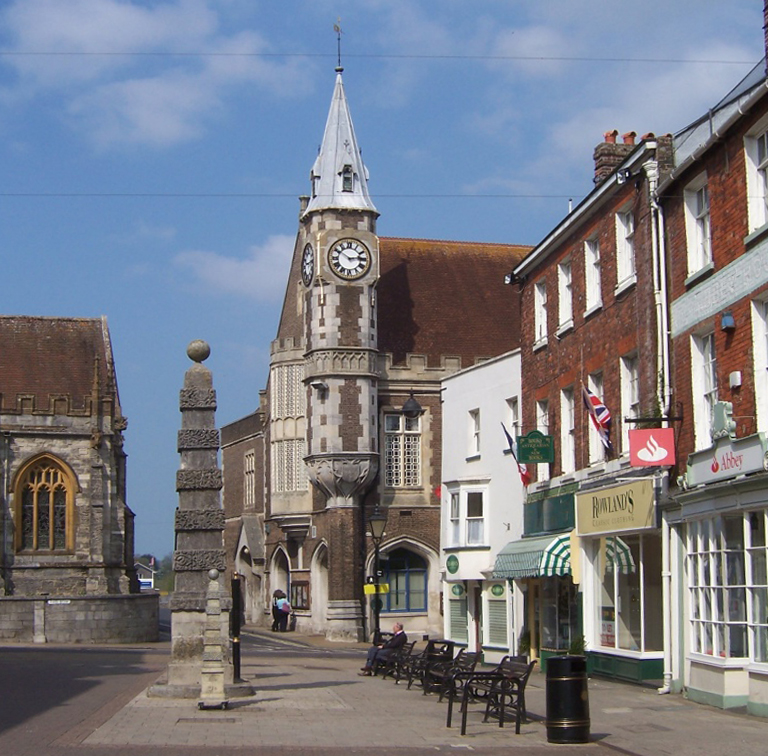
Dorchester is the county town of Dorset in south-west England. It serves as an administrative and commercial centre for the surrounding rural county while retaining a compact historic core. The recorded population in 2001 was 16,171; later counts and estimates indicate modest growth as the town continues to serve surrounding communities.
Image gallery
10 Images




History
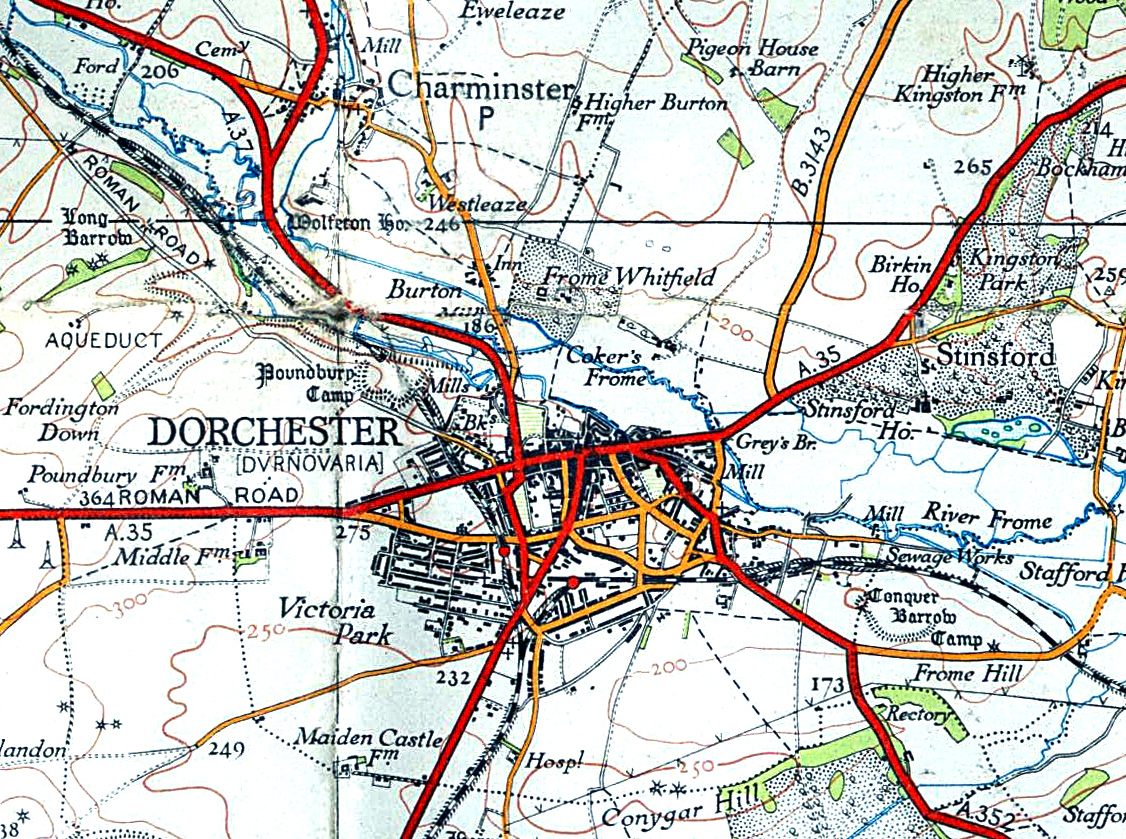
The site has been occupied since prehistoric times and was an important Roman settlement known as Durnovaria. Archaeological investigation has revealed Roman streets, buildings and artefacts, and the town's layout preserves traces of its long history. In the Iron Age period the nearby Maiden Castle, one of the largest prehistoric hillforts in Britain, dominated the local landscape.
Archaeology and museums
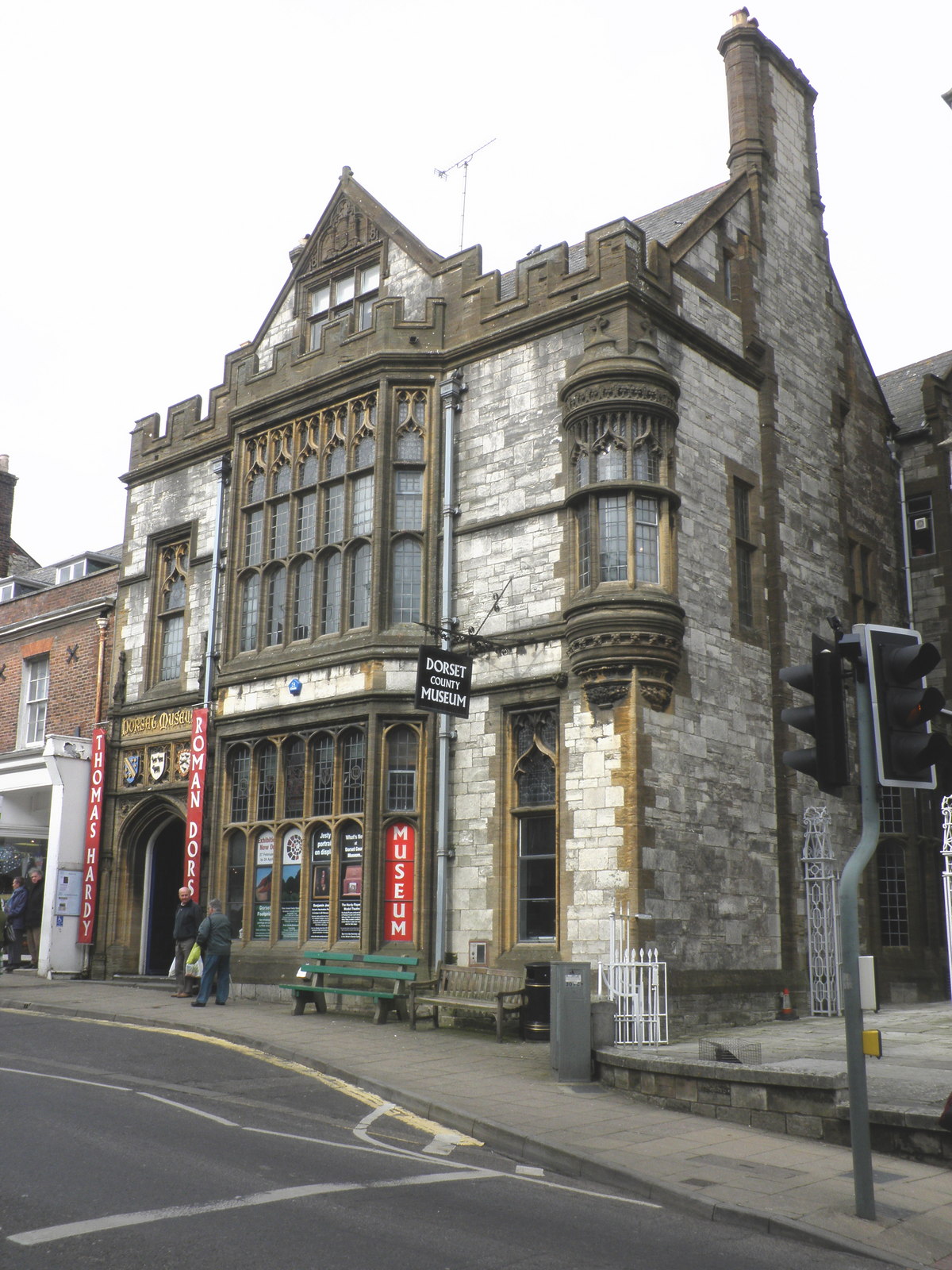
Local museums and sites interpret Dorchester's layered past. Dorset County Museum houses extensive collections of archaeology, natural history and material linked to local figures. Excavated remains and displays include Roman finds and reconstructions of local life in earlier periods. Maumbury Rings, a large earthwork in the town, and the Roman Town House remain focal points for visitors and researchers interested in urban archaeology.
Literary and cultural links
Dorchester is widely associated with the novelist Thomas Hardy, who fictionalised the town as "Casterbridge" in his work; Hardy was born in the nearby hamlet of Higher Bockhampton. This literary connection informs local heritage trails, museum displays and cultural events. The town supports theatres, galleries, regular markets and community organisations that reflect both regional traditions and contemporary civic life.
Economy, governance and transport
The local economy combines public administration, retail, professional services and tourism tied to heritage attractions. As county town, Dorchester accommodates administrative offices and civic institutions. Road and rail links connect the town with other parts of the region, supporting commuters and visitors and helping to sustain shops and local services.
Visitor information and identity
Visitors to Dorchester come for archaeological sites, museums, literary associations and the compact historic centre. The town's identity rests on its long history, its administrative role within the county and its cultural associations, making it a focal point for those interested in English provincial history and archaeology.
- Key sites: Maiden Castle, Maumbury Rings and the Roman Town House.
- Museums: Dorset County Museum with local archaeology and Hardy-related collections.
- Cultural life: markets, festivals and community arts linked to local history.
Related articles
Author
AlegsaOnline.com Dorchester, Dorset: county town with Roman roots and literary heritage Leandro Alegsa
URL: https://en.alegsaonline.com/art/28538
Sources
- ons.gov.uk : "Local statistics - Office for National Statistics"