
Donnement
Donnement is a small commune in the Aube department of north-central France. This article summarizes its location, administration, historical context, local life and practical information for visitors and researchers.
Donnement is a commune located in the Aube area of north-central France. Administratively it belongs to the Aube department and the wider Grand Est region of the country. Like other French communes, Donnement functions as the lowest level of local government, with responsibilities for local planning, basic services and community life.
Image gallery
1 Image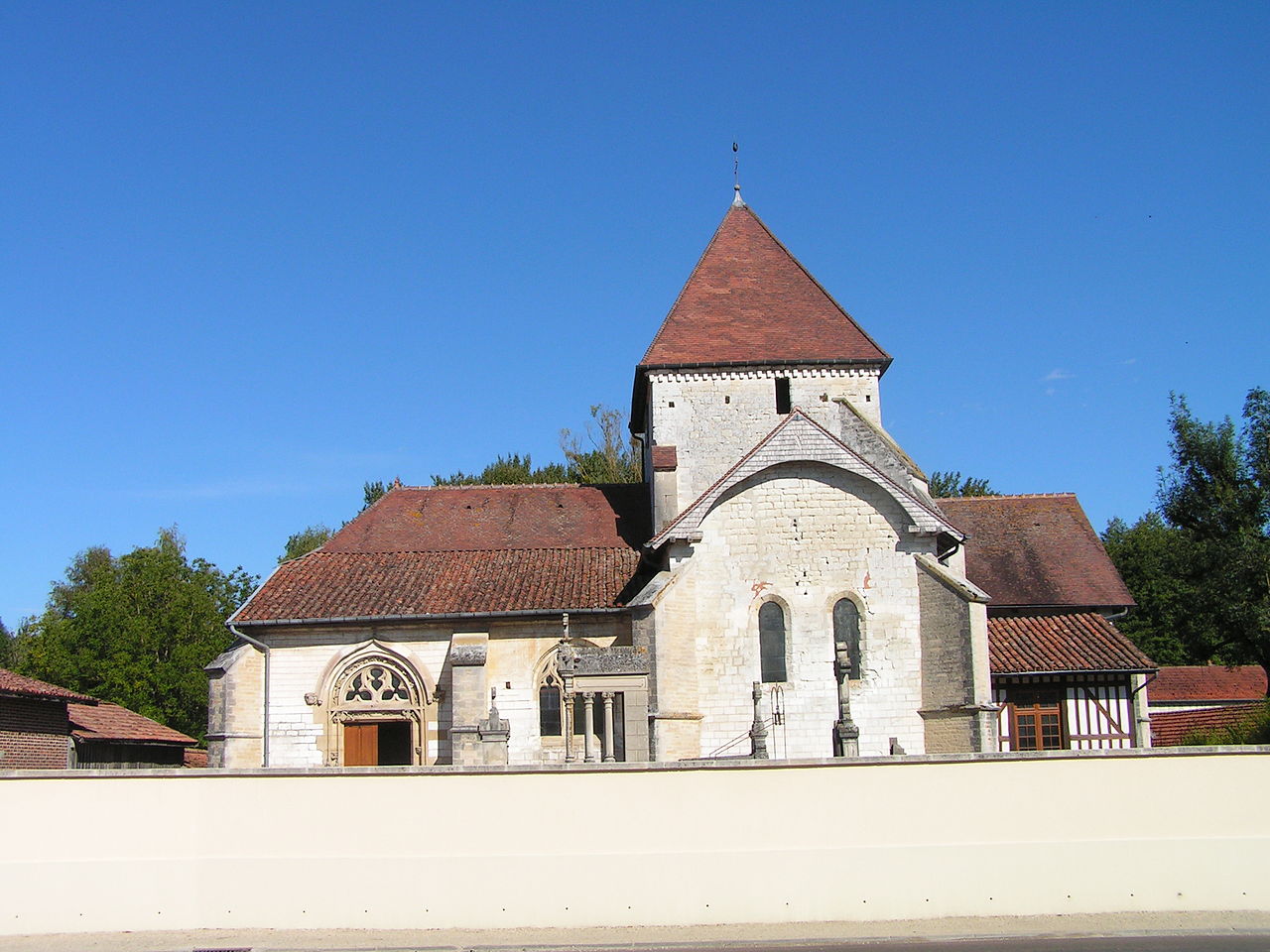
Geography and administration
Donnement occupies a rural setting typical of this part of France, with agricultural land, small roads and scattered hamlets. It is governed by a municipal council and a mayor, who are responsible for local services, civil registration and maintaining communal facilities. The commune forms part of larger administrative structures for services such as education, transport and regional planning.
History and origins
The name and settlement pattern of Donnement suggest historical roots common to many villages of the region, with origins likely stretching back to medieval times. Over centuries such communes developed around agriculture, parish churches and local trade routes. While Donnement itself may not be widely recorded in national histories, its development follows the general rural evolution of northeastern France.
Economy, culture and daily life
Local life in Donnement is shaped by farming, small-scale businesses and community institutions. Cultural life in small communes often centers on the village church, communal events, and seasonal markets. Residents may rely on nearby towns for specialized services, education beyond primary level and healthcare.
Visiting and practical information
Visitors to Donnement can expect a quiet rural atmosphere, country lanes and local architecture. Access is usually by regional roads, with larger transport hubs and rail connections found in nearby towns. For administrative context and further details about the département and national framework, see general resources on the Aube département and on France.
- Typical topics to research: local archives, parish registers and cadastral maps.
- Common points of interest: rural landscapes, local agricultural practices, and village heritage.
Related articles
Author
AlegsaOnline.com Donnement Leandro Alegsa
URL: https://en.alegsaonline.com/art/28472