
Division of Greenway (Australian federal electoral division)
A federal electoral division in western and north‑western Sydney, established in 1984 and named for colonial architect Francis Greenway; includes suburbs around Blacktown and Rouse Hill.
Overview
The Division of Greenway is an Australian federal electoral division in the state of New South Wales. Created at the 1984 redistribution, it returns one member to the House of Representatives under Australia’s preferential voting system. The division covers a mixed suburban area on the western and north‑western fringe of metropolitan Sydney.
Image gallery
5 Images


Boundaries and suburbs
Electoral boundaries are determined and periodically adjusted by the Australian Electoral Commission; the map for Greenway has changed several times since its creation. The division contains a mixture of established suburbs and newer residential developments. Key suburbs and localities located wholly or partly within Greenway include:
- Acacia Gardens, Girraween, Glenwood
- Kellyville Ridge, Kings Langley, Kings Park
- Lalor Park, Parklea, Seven Hills, Stanhope Gardens
- The Ponds, Toongabbie and parts of Blacktown, Pendle Hill, Prospect
- Portions of Quakers Hill, Riverstone, Rouse Hill, Schofields and Vineyard
History and name
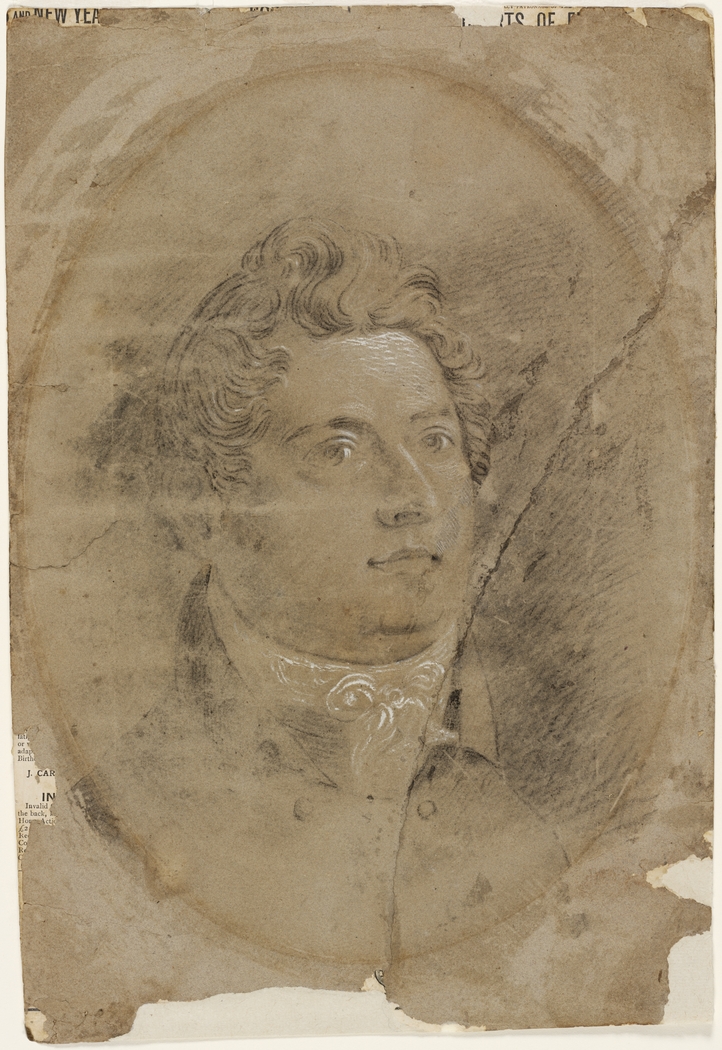
The division was named for Francis Greenway, a convict‑turned‑architect who worked in early colonial Sydney and is remembered for his influence on the city’s built heritage. More information on the division’s origins and its official profile can be found on the division’s page maintained by electoral authorities: official division profile. Biographical context about the division’s namesake is available via historical summaries of colonial New South Wales: Francis Greenway.
Characteristics and community
Greenway is largely suburban and residential with commercial centres, schools and local industry. Demographically it includes long‑established communities and newer estate developments, contributing to diverse housing types and local amenities. Its position on Sydney’s urban fringe means ongoing development and changing transport needs are recurring themes in local planning and political discussion.
Role and notable facts
As a federal electorate, Greenway elects one member to the national parliament and plays the same role as other divisions in representing local interests at the Commonwealth level. Redistributions can alter its size and composition, so the list of suburbs and precise boundaries should be checked against the most recent AEC materials for those seeking current electoral details.
Questions and answers
Q: What is the Division of Greenway?
A: The Division of Greenway is an electoral division in New South Wales, Australia.
Q: When was the Division of Greenway established?
A: The Division of Greenway was set up in 1984.
Q: Who is Francis Greenway?
A: Francis Greenway was an ex-convict who became an important architect in colonial Sydney.
Q: Why is the division named after Francis Greenway?
A: The division is named after Francis Greenway as a tribute to his architectural contributions to colonial Sydney.
Q: Where is the Division of Greenway located?
A: The Division of Greenway is located in the west and north-west suburbs of Sydney.
Q: What are some areas included in the Division of Greenway?
A: Some areas that are included in the Division of Greenway are Acacia Gardens, Girraween, Glenwood, Kellyville Ridge, Kings Langley, Kings Park, Lalor Park, Parklea, Seven Hills, Stanhope Gardens, The Ponds, Toongabbie and parts of Blacktown, Pendle Hill, Prospect, Quakers Hill, Riverstone, Rouse Hill, Schofields and Vineyard.
Q: How many electoral divisions are there in New South Wales?
A: The number of electoral divisions in New South Wales varies depending on the population at any given time. However, in the 2019 Federal Election, there were 47 House of Representatives seats in NSW.
Related articles
Author
AlegsaOnline.com Division of Greenway (Australian federal electoral division) Leandro Alegsa
URL: https://en.alegsaonline.com/art/27889