
Dithmarschen (district in Schleswig-Holstein)
Dithmarschen is a coastal district in northern Germany, known for its reclaimed marshland, medieval peasant republic history, agriculture, and North Sea shoreline with tidal flats.
Dithmarschen is a rural district (Kreis) in northern Germany's Schleswig-Holstein. It lies along the western coast on the North Sea and includes low-lying marshes, dikes and stretches of tidal flats. The administrative center is the town of Heide, and the district combines agricultural landscapes, small ports and seaside resorts.
Image gallery
10 Images



Geography and landscape
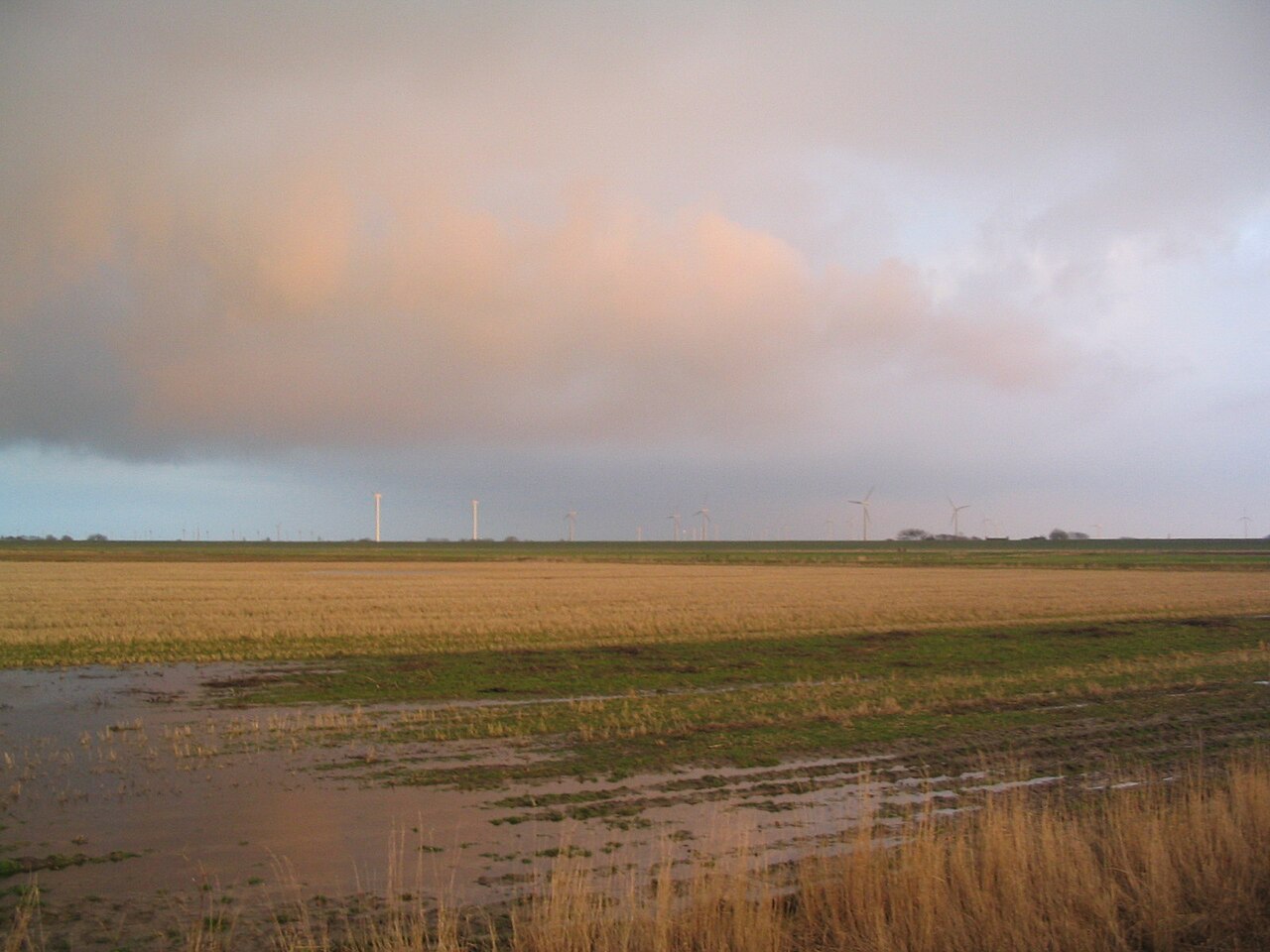
The district occupies a flat coastal plain shaped by centuries of dyke building and land reclamation. Salt marshes and polders characterize the inland areas, while the shore features mudflats that are ecologically important for birds and marine life. Farming on fertile peat and clay soils remains a dominant land use.
- Heide (administrative center)
- Büsum (coastal resort and fishing port)
- Meldorf (historically important town)
History
Dithmarschen has a distinctive past: in the Middle Ages it developed a reputation as a largely self-governing peasant community with strong local traditions. Notable episodes include its resistance to external rulers and a famous military victory that became part of regional identity. Over time the area was integrated into larger territorial states and into the modern German administrative system.
Local culture reflects a mix of agrarian traditions and seaside life. Small museums, parish churches and open-air sites preserve material and social history, while community events and markets continue to mark the agricultural calendar.
Economy, transport and tourism
The economy blends agriculture (vegetables and livestock), fisheries, renewable energy and tourism. Coastal towns attract visitors for bird‑watching, beach holidays and seafood; wind farms and modern farming methods are visible across the landscape. Transport links connect the district to regional roads and nearby maritime routes.
Today Dithmarschen is often noted for the contrast between its fertile reclaimed land and the wild tidal zone of the shoreline, a combination that shapes both daily life and conservation priorities in the region.
Related articles
Author
AlegsaOnline.com Dithmarschen (district in Schleswig-Holstein) Leandro Alegsa
URL: https://en.alegsaonline.com/art/27785
Sources
- statistik-nord.de : "Statistikamt Nord – Bevölkerung der Gemeinden in Schleswig-Holstein 4. Quartal 2016] (XLS-file)"
- commons.wikimedia.org : Dithmarschen