
Die Welt: German national daily newspaper
Die Welt is a major German national daily founded in 1946. Conservative and market-oriented in outlook, it has a long history under the Axel Springer group and a significant print and digital presence.

Die Welt is a national daily newspaper published in Germany. Established in the aftermath of World War II, it grew into one of the country's influential broadsheets with a focus on national and international politics, business and culture. It is widely described as a national daily newspaper and maintains both a print edition and a substantial online operation that reaches readers across Germany and beyond.
Image gallery
2 Images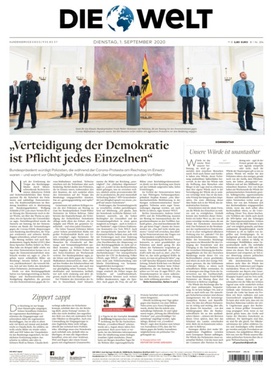

History and ownership
The title was founded in 1946 by the British military government during the Allied occupation, intended to serve as a reliable, general-interest press organ in postwar Germany. In the 1950s the newspaper became part of the Axel Springer group, a move that shaped its commercial development and editorial direction in the decades that followed. Under Axel Springer, Die Welt expanded its reporting staff, modernized production and extended its distribution nationally.
Editorial stance and profile
Die Welt is generally regarded as having a centre-right editorial tone. Its opinion pages and many of its analyses advocate pragmatic, market-oriented policies; commentators and editorial pages often emphasize free enterprise and individual responsibility, reflecting a conservative and free-market perspective. At the same time, it publishes a range of viewpoints and regular coverage of social, cultural and scientific topics.
Format, circulation and reach
Historically a broadsheet, Die Welt has adapted to changes in reader habits by developing digital offerings alongside the printed paper. Reported daily circulation figures have varied; contemporary accounts place its paid print circulation in the low hundreds of thousands while its digital readership is substantially larger and growing, as with many mainstream titles.
Notable features and distinctions
Die Welt is known for in-depth international reporting, business coverage and commentary aimed at policymakers and professionals. It publishes weekend supplements on culture and lifestyle, investigative pieces and specialist sections on finance and technology. While associated with a centre-right editorial line, it competes in the German media landscape with a diverse press that spans the political spectrum.
- Founded: 1946 by the British occupation authorities
- Major publisher: Axel Springer (since the 1950s)
- Presence: national print edition and extensive online platform
Related articles
Author
AlegsaOnline.com Die Welt: German national daily newspaper Leandro Alegsa
URL: https://en.alegsaonline.com/art/27265