
DeSoto, Texas
Suburban city in Dallas County, Texas — part of the Dallas–Fort Worth region; known for residential neighborhoods, DeSoto Independent School District, parks and community amenities. 2010 population: 49,047.
Overview
DeSoto is a city in the southern portion of the Dallas metropolitan area. It lies within Dallas County and the state of Texas. Officially organized as a municipality in the mid-20th century, DeSoto functions as a primarily residential suburb with commercial corridors and local services. According to the 2010 count, the city had a population of 49,047 (2010), reflecting growth associated with the larger Dallas–Fort Worth economy.
Image gallery
4 Images

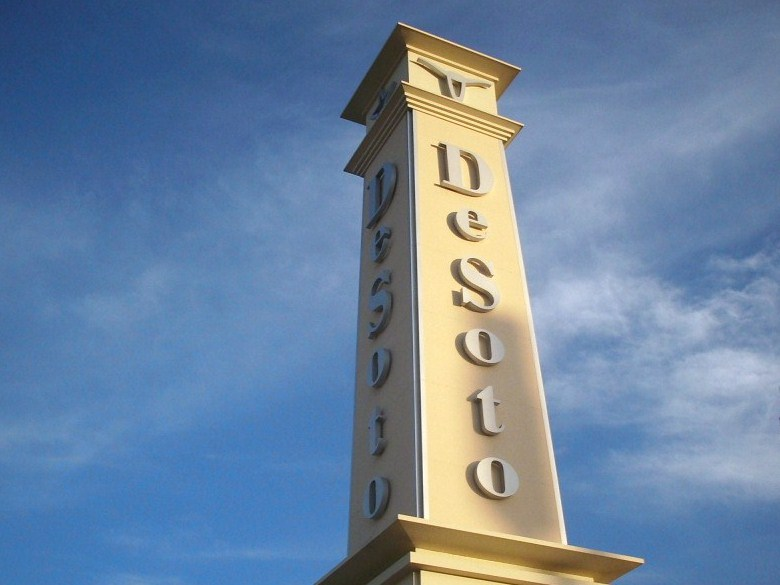

Characteristics and location
Situated south of central Dallas, DeSoto offers a mix of single-family neighborhoods, parks, and shopping areas. The community is connected to the region by arterial roads and benefits from proximity to major employment centers in the metroplex. Public parks, recreation programs and community events are focal points for local life.
History and name
The place name DeSoto traces to the surname De Soto, historically associated with the Spanish explorer Hernando de Soto. The area developed from rural farmland into a suburban city during the 20th century as Dallas expanded. Residential subdivision and municipal services grew alongside regional population shifts.
Government, services and institutions
Municipal government provides typical city services: administration, public safety, maintenance of streets and parks, and community programming. Residents elect local officials who oversee budgeting, planning and public works. For detailed municipal information see the city web presence (city resources).
Education and economy
DeSoto is served by the DeSoto Independent School District, which operates elementary, middle and high schools. The local economy is composed of retail, professional services and light industry; many residents commute to jobs elsewhere in the Dallas–Fort Worth area. Regional transportation links support both commerce and daily commuting.
Notable facts and distinctions
- Part of the larger Dallas–Fort Worth metropolitan region and its labor market.
- Recognized for suburban housing, community parks and family-oriented services.
- Demographic and economic trends reflect broader suburban growth patterns in Texas.
For more on civic services, schools and community programs consult local government and education resources (city, county, state, census summaries 2010).
Related articles
Author
AlegsaOnline.com DeSoto, Texas Leandro Alegsa
URL: https://en.alegsaonline.com/art/26862