
Des Moines, Iowa — state capital, river city, and cultural hub
Des Moines is the capital of Iowa and a regional center for government, insurance, arts, and events. The city sits at river crossings and hosts major cultural institutions and annual gatherings.
Overview
Des Moines is a city in central Iowa and serves as the state's capital. The city reported a population of 203,433 in the 2010 United States Census. As a regional center it combines state government functions, a downtown commercial district, and residential neighborhoods along its riverfront.
Image gallery
10 Images



Geography and character
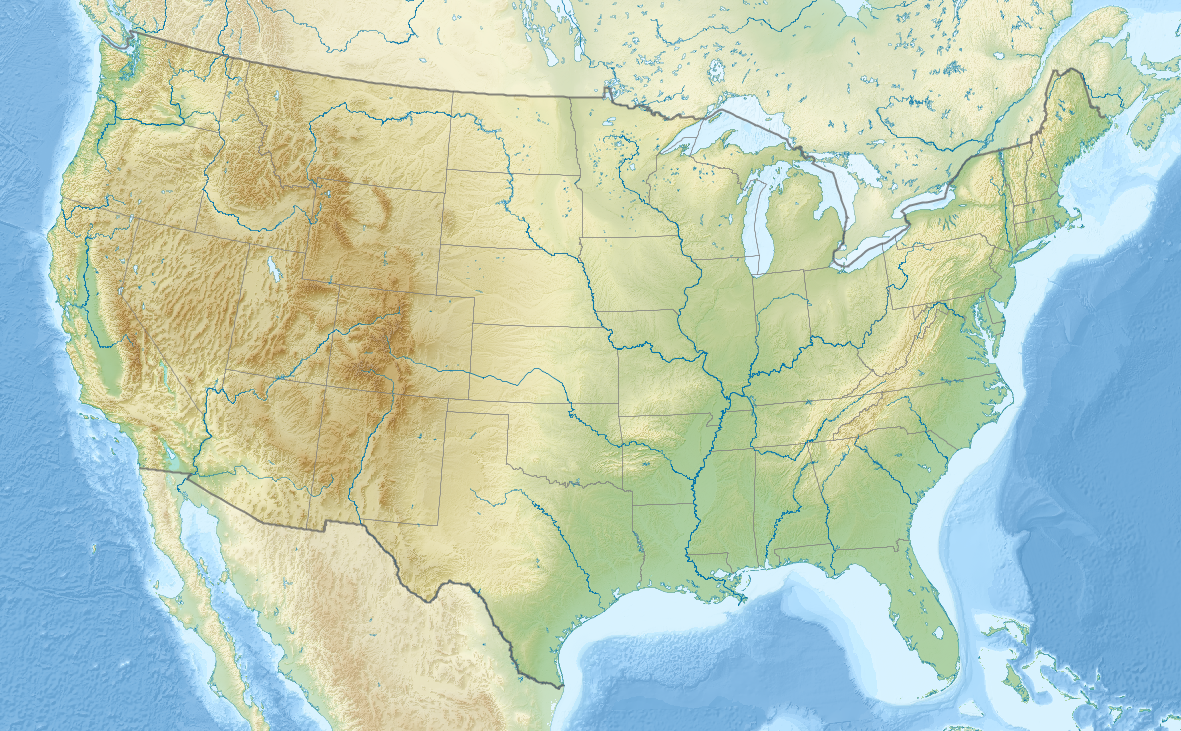
Des Moines lies where the Des Moines River and several tributaries shape broad, rolling terrain. The riverfront and nearby parklands are prominent features of the city's layout, with a mix of older commercial blocks and newer mixed-use development. The climate is continental, with hot summers and cold winters, which influences outdoor recreation and seasonal events.
History and name
The city's name is derived from the French phrase often rendered as "Rivière des Moines," which explorers and traders used in the region. Settlement and growth accelerated in the mid-19th century as river transport and later rail links brought commerce, leading to its establishment as the state capital and administrative center.
Economy and government
As Iowa's capital, Des Moines hosts the primary offices of state government and a variety of public agencies. The city is also an important regional hub for financial and insurance services, professional firms, conventions, and trade. It becomes particularly visible during statewide events and the presidential caucus season, when political activity increases.
Culture, attractions, and events
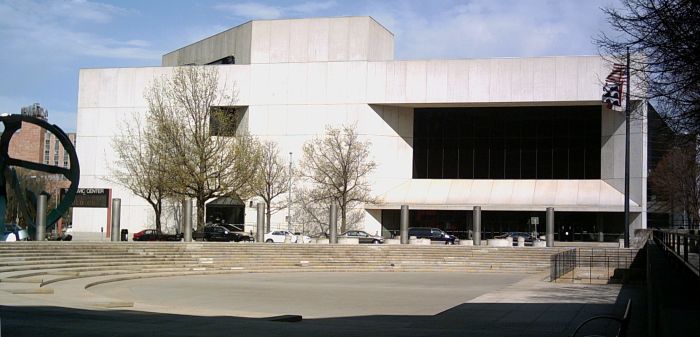
Des Moines supports a range of cultural institutions and public art. Notable venues and attractions include:
- Des Moines Art Center — a regional museum with modern and contemporary collections.
- Pappajohn Sculpture Park — an outdoor collection of large-scale works near the downtown core.
- The Iowa State Fairgrounds and annual fair, a major statewide gathering that draws visitors each summer.
- Theaters, music venues, parks and riverwalks that contribute to year-round cultural life.
Transportation and institutions
The city is served by a regional airport, highway connections, and local transit that link it to surrounding communities. Higher-education institutions, private colleges, hospitals and cultural organizations make Des Moines an important service center for central Iowa. Neighborhoods range from historic districts to modern developments along the river and downtown corridor.
Taken together, Des Moines combines the administrative role of a state capital with commercial, cultural and recreational resources that serve both residents and visitors.
Related articles
Author
AlegsaOnline.com Des Moines, Iowa — state capital, river city, and cultural hub Leandro Alegsa
URL: https://en.alegsaonline.com/art/26808
Sources
- qctimes.com : "Iowa's Largest Cities"
- commons.wikimedia.org : Des Moines, Iowa