
Aaron Swartz — programmer, writer, and internet activist
Aaron Swartz (1986–2013) was an American programmer, writer, and campaigner for open access and internet freedom, known for early work on web standards, activism, and a high‑profile legal case over academic archives.
Overview
Aaron Hillel Swartz (November 8, 1986 – January 11, 2013) was an American computer programmer, writer, and political organizer who became a prominent voice for open access to information and internet freedom. He began programming as a child, contributed to early web technologies, and combined technical work with public advocacy on digital rights.
Image gallery
10 Images




Technical work and projects
Swartz made several practical and influential technical contributions. His work included involvement in early development of the RSS web‑feed format and creation of tools used by developers and publishers. Notable projects associated with him include:
- RSS and web standards — participation in the early evolution of syndication formats that helped shape how content is distributed online.
- web.py — a minimalist web application framework intended to simplify web programming.
- Open Library and Creative Commons — contributions to open content projects and licensing work that support sharing and reusing creative works.
- Writing and manifestos — essays and short works arguing for free access to scholarly literature and public information.
Activism and political work
Swartz combined technical skills with grassroots organizing. He helped found and support groups that opposed restrictive legislation affecting the internet and that advocated for government transparency, civil liberties online, and reform of copyright and access policies. He was active in campaigns against bills seen as threats to internet openness and worked to engage citizens in policy debates.
Legal case and public debate
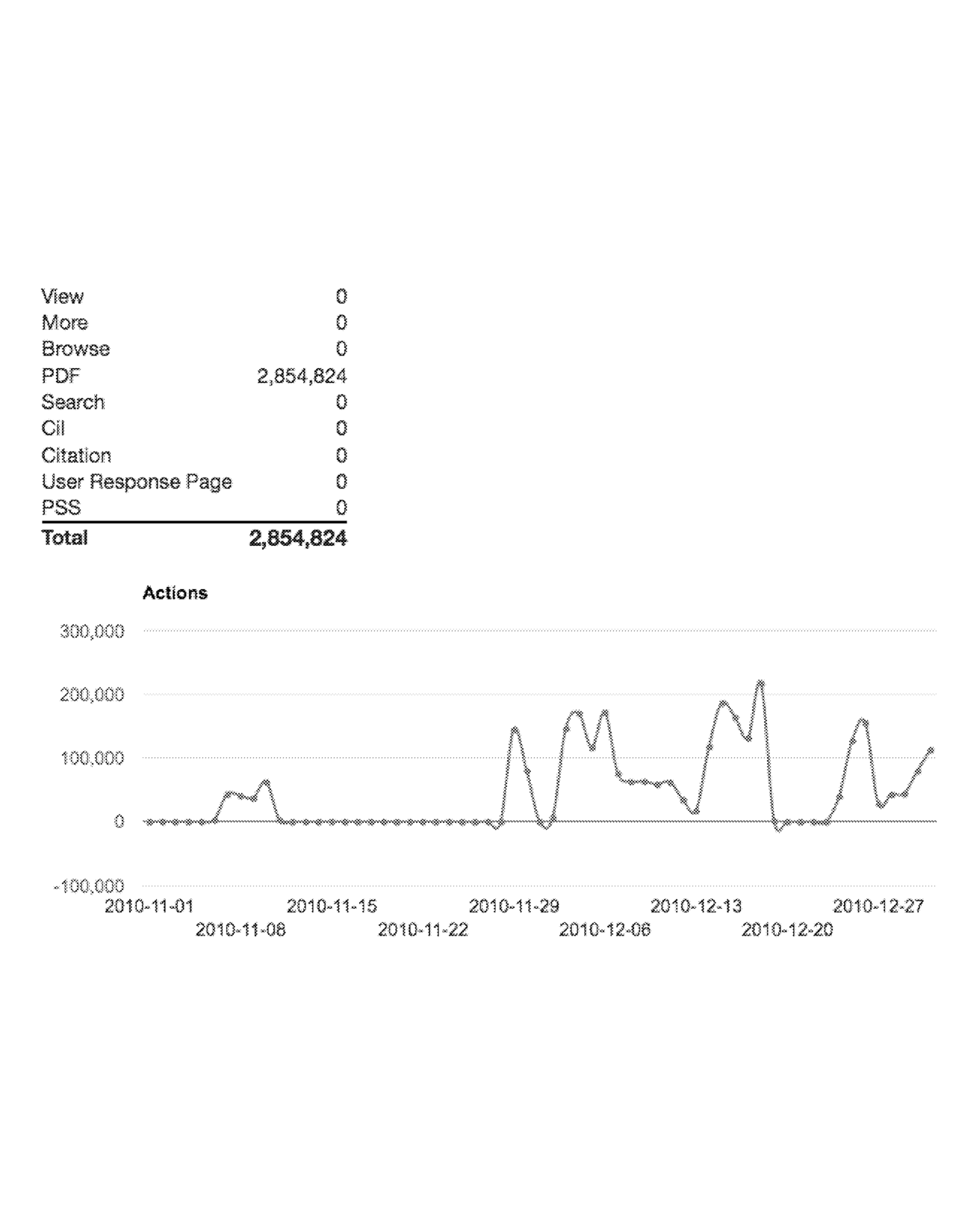
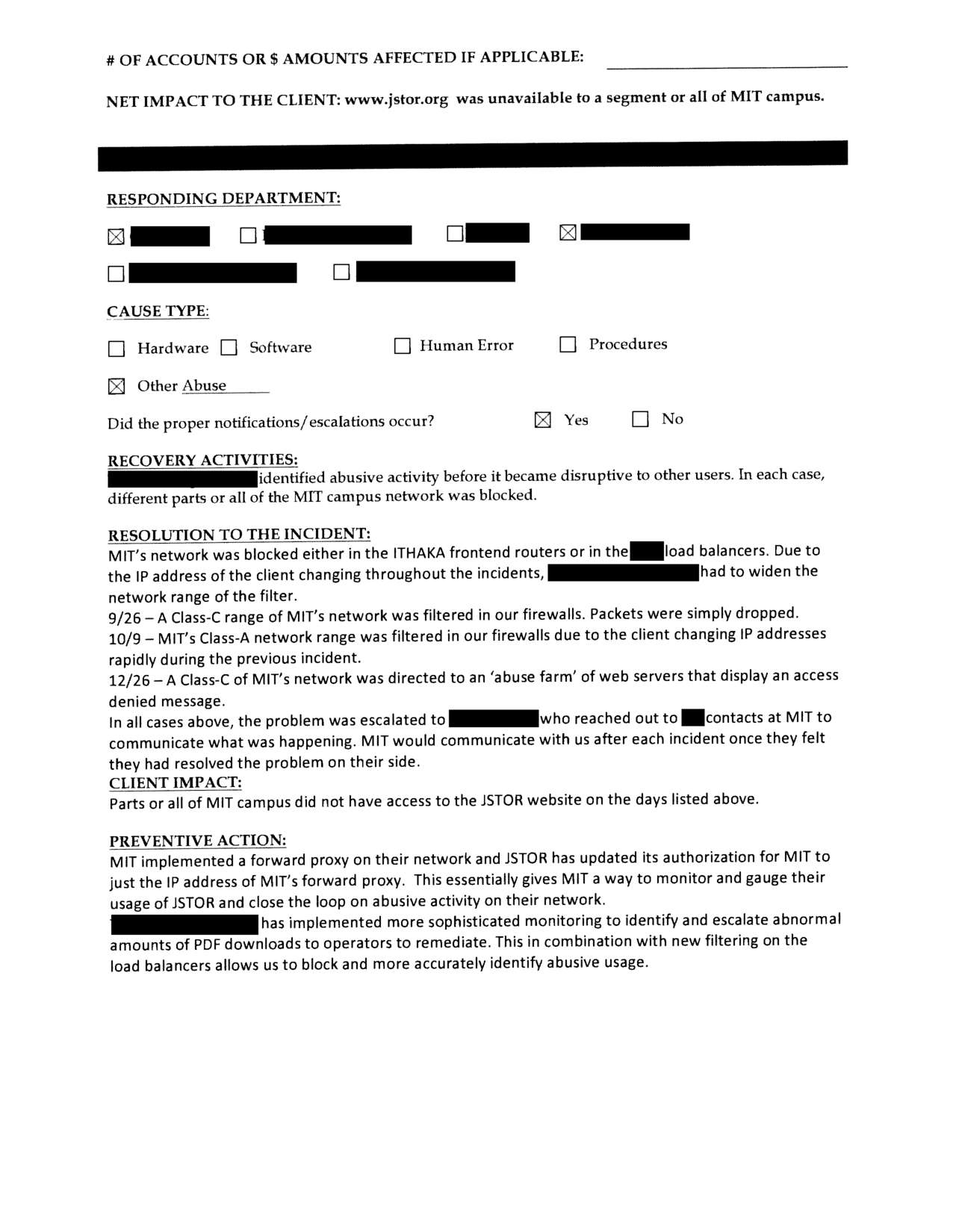
In January 2011 Swartz was arrested after downloading a large number of academic articles from an online archive. Federal prosecutors brought computer‑related charges that generated intense public discussion about prosecutorial discretion, the scope of computer crime laws, and the balance between enforcement and academic access. Supporters argued charges were excessive; others emphasized the need to uphold access rules. The case became a focal point in debates over the Computer Fraud and Abuse Act and similar statutes.
Death and legacy
Swartz died on January 11, 2013. His death prompted renewed scrutiny of the legal actions he faced and led to calls for changes in how computer and information laws are applied. In the years since, his work and writings have continued to influence discussions about open access, digital civil liberties, and the ethics of information sharing. His life is often cited in campaigns to reform internet policy and to protect researchers and activists working for more open systems.
Notable facts
Beyond specific projects, Swartz is remembered for bridging technical skill and civic engagement. His combination of coding, writing, and organizing helped bring attention to how technical design and public policy interact, and his story remains a touchstone in conversations about internet freedom.
Related articles
Author
AlegsaOnline.com Aaron Swartz — programmer, writer, and internet activist Leandro Alegsa
URL: https://en.alegsaonline.com/art/262
Sources
- crln.acrl.org : "Library licensing and criminal law: The Aaron Swartz case"
- worldcat.org : 0099-0086
- tech.mit.edu : "Aaron Swartz commits suicide"
- suntimes.com : "Internet Hall of Fame Announces 2013 Inductees"
- internethalloffame.org : internethalloffame.org/2013/06/26/internet-hall-fame-announces-2013-inductees/