
Alicia de Larrocha: Spanish pianist renowned for clarity and Spanish repertoire
Alicia de Larrocha (1923–2009) was a Spanish pianist celebrated for her interpretations of Spanish composers and classical repertoire, a long performing career, influential recordings, and multiple Grammy Awards.
Overview
Alicia de Larrocha i de la Calle was a Spanish pianist born in Barcelona in 1923 and widely regarded as one of the foremost interpreters of Spanish piano music in the 20th century. Her public career spanned more than seven decades. Critics praised her for a combination of technical precision, expressive color and a distinct rhythmic vitality especially suited to the music of her native Spain.
Image gallery
1 Image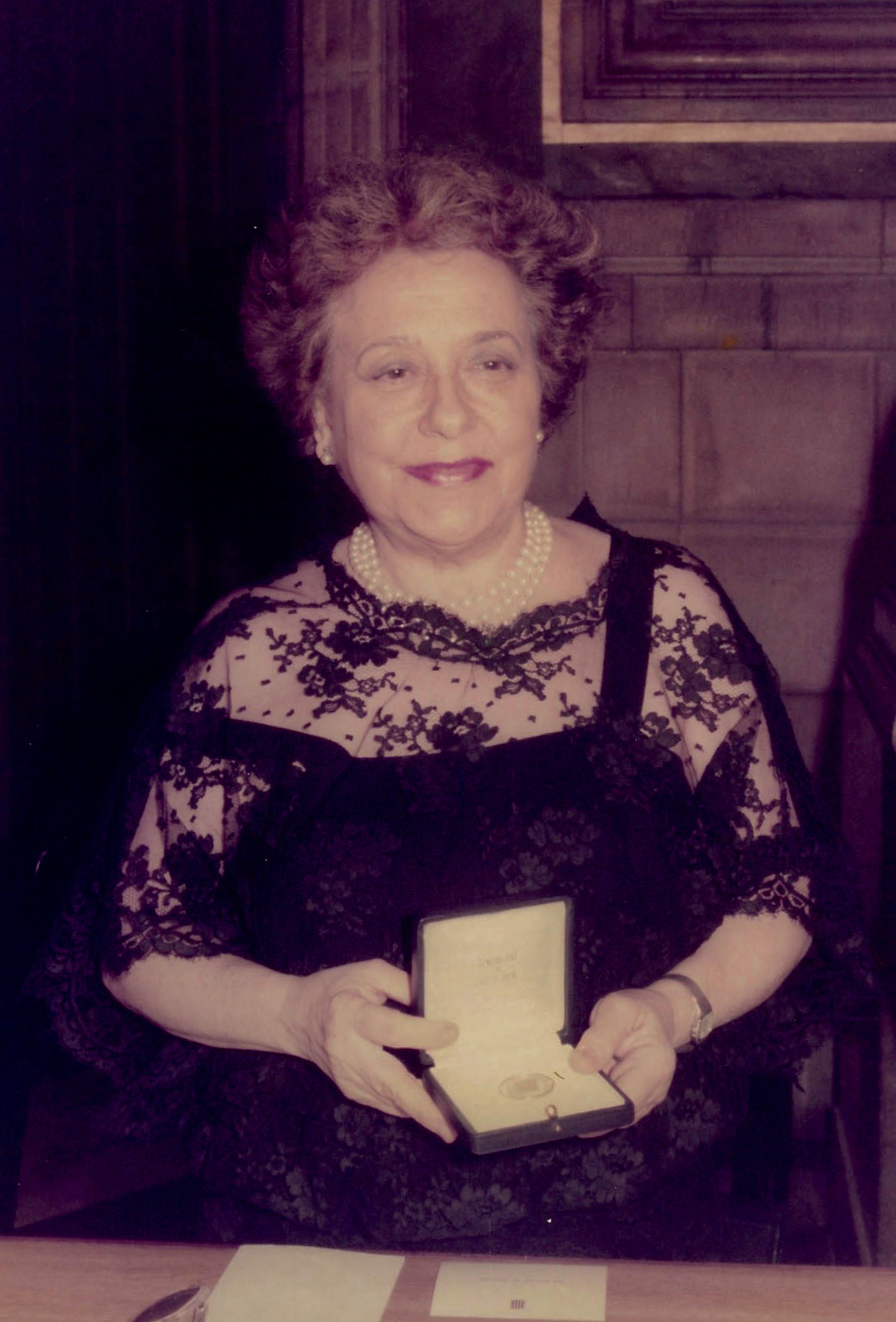
Early life and career development
De Larrocha began performing in childhood and developed into a musician whose tastes and technique allowed her to move comfortably between the classical Austro-German repertoire and the unique demands of Spanish composers. She gained international recognition through concert appearances, festival engagements and a prolific recording career that introduced many listeners to works by Albéniz, Granados and Manuel de Falla alongside Mozart and other mainstream repertory.
Repertoire and artistic characteristics
Her repertoire often emphasized Spanish nationalist composers but was not limited to them. Performances and recordings by de Larrocha are noted for:
- transparent textures and clarity of voicing;
- a natural sense of pulse and dance rhythms;
- refined pedaling and tonal palette that bring out Iberian colors;
- a balance between technical control and expressive warmth.
Recordings, honors and influence
De Larrocha recorded extensively, and many of her albums remain reference performances for Spanish piano music. She received critical acclaim and several major awards, including multiple Grammy Awards, reflecting both artistic merit and the wide impact of her recordings. Her interpretations helped revive interest in Spanish piano works and influenced pianists who followed.
Legacy and later years
Her long career left a lasting discography and a reputation for bringing idiomatic insight to national repertoire while retaining classical elegance. She retired after decades on the concert stage and died in 2009 at age 86. De Larrocha is remembered for her musical intelligence, distinctive sound world and for making Spanish piano literature accessible to global audiences.
Notable associations
- Frequent repertory: Isaac Albéniz, Enrique Granados, Manuel de Falla, plus Mozart and other classical composers.
- Reputation: standard-bearer for Spanish piano interpretation in the 20th century.
Tags
Related articles
Author
AlegsaOnline.com Alicia de Larrocha: Spanish pianist renowned for clarity and Spanish repertoire Leandro Alegsa
URL: https://en.alegsaonline.com/art/2609
Sources
- bach-cantatas.com : "Alicia de Larrocha"
- allmusic.com : "Alicia de Larrocha"