
Dangerous (Michael Jackson album)
Dangerous is Michael Jackson's eighth studio album, released in 1991. It marked his emergence as primary producer, blended new jack swing, pop and R&B, and produced multiple global singles and an extensive world tour.
Overview
Michael Jackson's eighth solo studio album, Dangerous, was released on November 26, 1991 on Epic Records. Coming six years after his previous studio set, the record represented a new phase in Jackson's career: he took primary responsibility for production and sought a contemporary sound that reflected early 1990s urban pop and R&B trends. The album produced several high-profile singles and ambitious music videos, and it became one of the bestselling releases of its era.
Image gallery
3 Images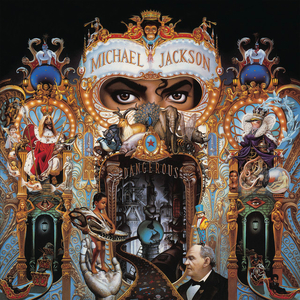


Background and recording
Recording sessions for Dangerous involved long studio periods and collaboration with a number of producers and musicians. Jackson worked closely with figures from the emerging new urban scene as well as established studio talent. Among the collaborators were producers and engineers who helped Jackson craft dense arrangements that combined programmed beats, live instrumentation and layered vocal harmonies. This period marked a departure from the long association with producer Quincy Jones, who had produced Jackson's previous blockbuster albums.
Music, production and style
Musically, Dangerous embraced elements of new jack swing and contemporary R&B while retaining pop songwriting and cinematic production. Tracks balance hard-hitting drum programming and funk-inflected guitar with orchestral touches and choral arrangements. Jackson's role as primary producer gave him greater control over arrangements, vocal overdubs and thematic sequencing, resulting in a textured, layered sound that aimed to be both rhythmically immediate and melodically broad.
Composition and themes
The album's lyrics cover a wide range of subjects. Several songs engage in social commentary and appeals for compassion and human rights, reflecting concerns often described under the umbrella of social justice. Other tracks explore romantic desire, personal vulnerability, temptation and spiritual reflection. This mixture of topical material and conventional pop subjects allowed the album to address both public and private themes.
Singles, videos and promotion
Dangerous yielded multiple singles that received heavy rotation on radio and music television. High-concept music videos accompanied several releases and contributed to the global visibility of the record. The singles showcased the album’s stylistic variety, from rock-tinged pop to groove-oriented R&B. Many of the album’s videos were notable for cinematic production values and for staging elaborate choreography and visual effects.
Tour and live presentation
Promotion for the album included an extensive international concert tour that reached audiences across multiple continents. The live shows emphasized elaborate staging, choreography, and production design, reinforcing Jackson’s reputation as a global pop entertainer. The tour helped sustain the album’s commercial momentum and brought its material to large stadium audiences.
Commercial performance
Dangerous was a commercial success worldwide. It sold millions of copies and ranked among the best-selling albums in several markets during the early 1990s. In the United States and internationally the album reached multi-platinum sales thresholds and was one of the fastest-selling releases of Jackson’s career at the time. For sales and certification details consult contemporary market reports and catalog listings such as those for sales and certifications and the album entry itself at Dangerous.
Critical response
Critical reaction to Dangerous was generally positive, with many reviewers praising its ambitious production, contemporary sound and Jackson’s vocal performances. Some critics noted the album’s wide stylistic range and debated whether its diversity affected overall cohesion. Major music publications commented on both the record’s strengths as a pop statement and the challenges of its sprawling approach.
Legacy and influence
Dangerous is frequently cited as a transitional work in Jackson’s catalog: it marks increased creative control for the artist and a willingness to work with newer urban producers and sonic textures. The record reinforced Jackson’s global commercial stature and added several songs to his enduring repertoire. Its blend of socially aware songs and mainstream pop singles influenced how later mainstream pop albums balanced topical themes with commercial aims.
Further reading
- Artist overview and biography: Michael Jackson.
- Record label context: Epic Records.
- Sales and certification resources: sales and certifications.
- Album entry and track listing: Dangerous.
- Earlier production collaborator: Quincy Jones.
- Genre context: new jack swing and R&B.
- Discussion of the album's themes: social justice and related topics.
Related articles
Author
AlegsaOnline.com Dangerous (Michael Jackson album) Leandro Alegsa
URL: https://en.alegsaonline.com/art/25367
Sources
- allmusic.com : "Dangerous"
- youtube.com : "YouTube"
- rollingstone.com : "Dangerous"
- swisscharts.com : "Michael Jackson - Dangerous - hitparade.ch"