
Cy Young: career, records and lasting legacy
Comprehensive overview of Denton 'Cy' Young, his major-league pitching records, career arc, style, and the award named in his honor.
Overview
Denton True "Cy" Young was a prominent American baseball pitcher whose major-league career spanned the late 19th and early 20th centuries. He was born on March 29, 1867 and died on November 4, 1955. Young pitched professionally from 1890 until 1911 and became widely known for his remarkable durability, control, and consistency. Across 22 seasons in Major League Baseball, he established career totals and single-season accomplishments that remain benchmarks for pitching excellence.
Image gallery
7 Images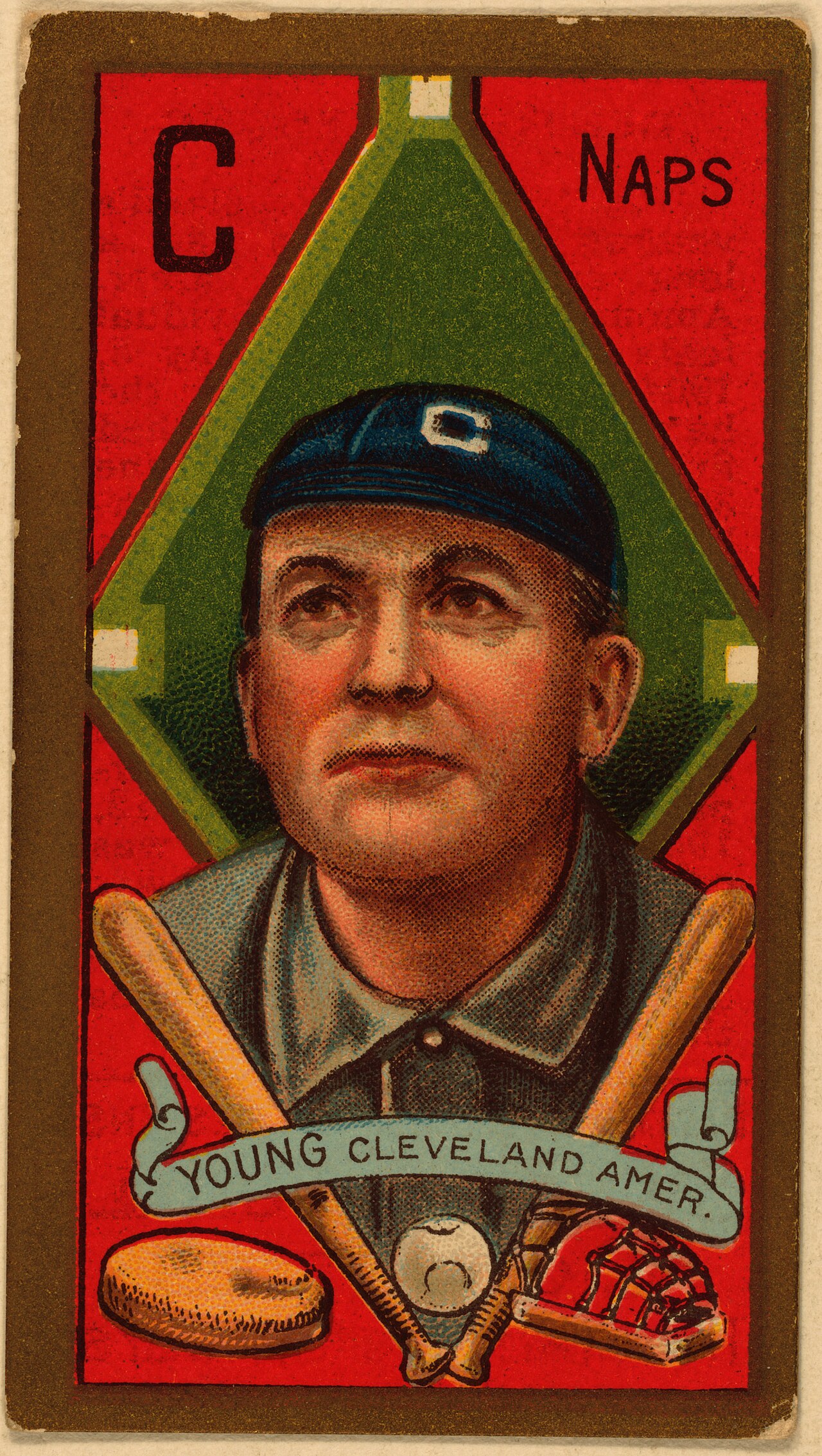


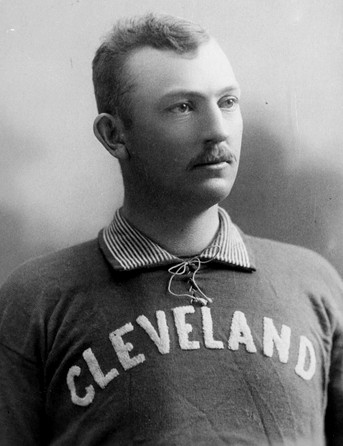
Career highlights and records
Young finished his playing days with the most wins in major-league history: 511 victories. That total exceeds the next-highest career total by a substantial margin; for comparison, Walter Johnson, a later great, finished well behind Young on the all-time list. Young also accumulated some of the game's most enduring workload records, which reflect both his longevity and the different pitching practices of his era.
- Wins: 511 career victories (all-time record)
- Innings pitched: 7,355 career innings (MLB record)
- Games started: 815 (MLB record)
- Complete games: 749 (MLB record)
- Losses: 316 (most career losses on record)
- Shutouts: 76 (among the all-time leaders)
- No-hitters: three no-hitters, including a perfect game regarded as the first in baseball's modern era
Young twice reached or exceeded 30 wins in a single season and posted more than twenty wins in many other campaigns. Those totals reflect an era when top pitchers often completed most of the games they started and routinely threw far more innings per season than is typical today.
Style, role and historical context
Contemporaries and historians describe Young as a workhorse: he relied on command, movement, and changing speeds more than overpowering velocity. Pitching strategies in his time emphasized throwing entire games and often using a smaller rotation of starters; that environment let an effective, durable pitcher accumulate very large counting statistics. Young's numbers must therefore be read both as a measure of individual excellence and as a product of the way baseball was played around the turn of the 20th century.
Legacy and honors
After his playing days, Young's name continued to symbolize pitching achievement. In 1956 Major League Baseball introduced the Cy Young Award, presented annually to the most outstanding pitchers in each league and permanently associating his name with pitching excellence. Young was recognized by the game's institutional memory through election to the Baseball Hall of Fame in the 1930s, and later retrospectives have reaffirmed his place among the sport's greats. For example, editors and fans have included him in century-spanning lists of top players.
Young's career provides a valuable point of comparison for understanding how the role of the pitcher has evolved. His records for total wins, innings, starts and complete games stand as reminders of a different era of usage, and the award bearing his name ensures that every season pitchers are measured against the standard his name implies.
For those researching primary sources or statistical detail, contemporary newspaper accounts, box scores, and collected statistical databases document Young's individual seasons and notable games. Representative links and references can be found through curated baseball history resources and encyclopedias that track late-19th and early-20th century professional players.
Related topics for further reading include the development of pitching roles, the history of no-hitters and perfect games, and the formation of awards and halls of fame that preserve baseball's early narratives.
Birth date reference • Birth year • Death date • Death year • Nationality • Sport • League • Peer comparison • Award founding year • Award • Hall of Fame • Innings total
Questions and answers
Q: What is the name of the MLB award created in 1956?
A: The MLB created the Cy Young Award in 1956.
Q: How many wins did Young have when he retired from baseball?
A: When Young retired from baseball, he had won a total of 511 games in his career, the most in MLB history and 94 more wins than Walter Johnson, who is second on the list.
Q: How many times did Young win 30 or more games in a season?
A: During his professional career, Young won 30 or more games in a season five times.
Q: What was Cy Young's rank on The Sporting News' "Baseball's 100 Greatest Players" list?
A: In 1999, 88 years after his final Major League appearance and 44 years after his death, editors at The Sporting News ranked Cy Young 14th on their list of "Baseball's 100 Greatest Players".
Q: Who was voted into the Baseball Hall of Fame in 1939?
A: In 1939, Cy Young was voted into the Baseball Hall of Fame.
Q: How many complete games did Cy Young pitch during his career?
A: During his career, Cy Young pitched 749 complete games.
Q: What are some other records held by Cy Young?
A: In addition to wins, Young holds the MLB records for most career innings pitched (7,355), most career games started (815), and most complete games (749). He also retired with 316 losses, the most in MLB history (the only other pitcher with more than 300 career losses was Pud Galvin). He also had 76 career shutouts, which is fourth most in history.
Related articles
Author
AlegsaOnline.com Cy Young: career, records and lasting legacy Leandro Alegsa
URL: https://en.alegsaonline.com/art/24835
Sources
- jrn.columbia.edu : "Cy Young's Perfect Game"
- cmgworldwide.com : "Cy Young Biography"
- baseball-almanac.com : "BA Dugout"
- baseballlibrary.com : "The Ballplayers - Cy Young"
- wcnet.org : "The Perfectos"