
Cuyahoga Falls, Ohio
Cuyahoga Falls is a city in northeastern Ohio built around waterfalls on the Cuyahoga River. It combines parkland and suburban neighborhoods and lies near Akron and the Cuyahoga Valley National Park.
Overview: Cuyahoga Falls is a city in northeastern Ohio, in the United States. The community developed beside a series of falls and rapids on the Cuyahoga River, a defining natural feature that gave the city its name. Located just north of Akron, the city functions as a regional suburban center with a mix of residential neighborhoods, business districts, and conserved green space.
Image gallery
4 Images


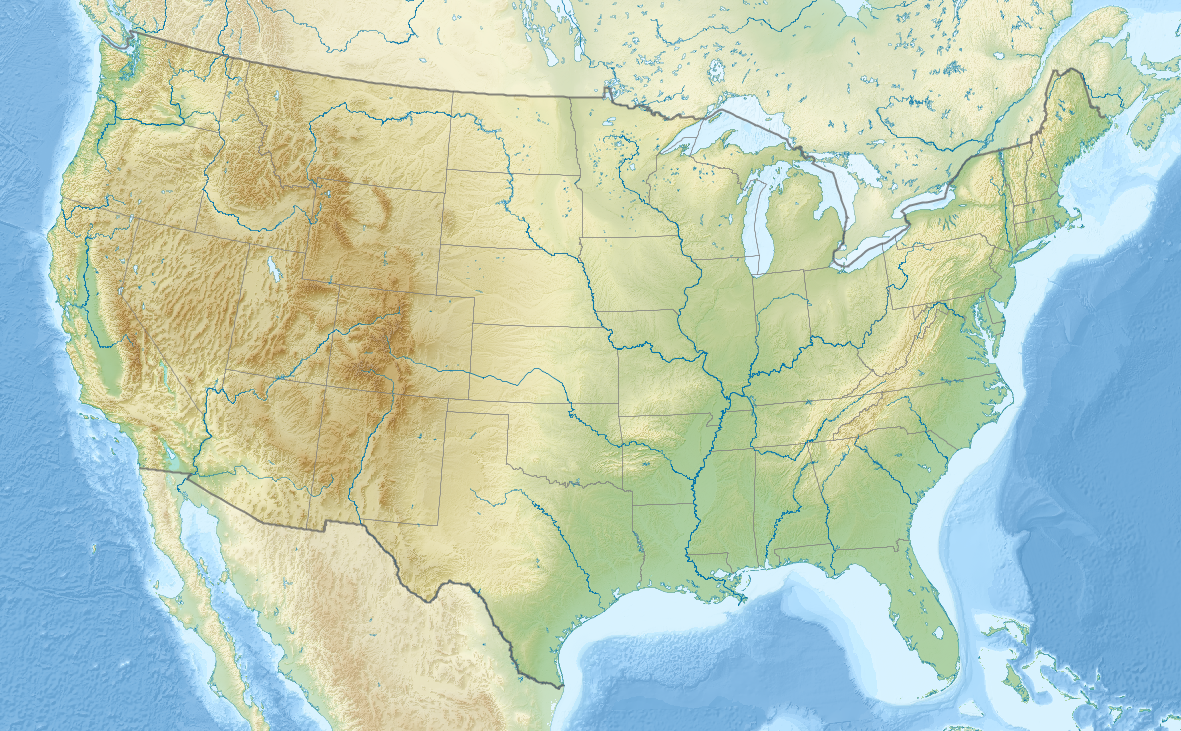
Characteristics and landscape
The city's character is shaped by its river gorge, park system and suburbs. Steep banks and wooded ravines create scenic corridors and opportunities for hiking, biking and river recreation. The urban core contains older commercial streets and mill-era buildings, while surrounding neighborhoods include mid-20th-century and newer housing. Public amenities emphasize outdoor access and family-oriented services.
History and development
Cuyahoga Falls grew in the 19th century when the river's falls were harnessed to power mills and small industries. Over time the local economy diversified and the area suburbanized as nearby industrial centers expanded. Twentieth-century transportation improvements strengthened links to Akron and Cleveland, encouraging residential growth and the conversion of some former industrial sites to parks and civic uses.
Parks, culture and recreation
- Extensive parkland and trails run along the river gorge and connect to larger regional greenways.
- The city lies adjacent to nationally significant conservation areas and visitor amenities, and hosts outdoor concert venues and community events.
- Trail systems, boat launches and picnic areas attract residents and visitors who come for nature, picnicking and seasonal festivals.
Economy, transport and institutions: The local economy mixes retail, services and light industry, with many residents commuting to nearby employment centers. Road links and regional transit routes connect the city to metropolitan job markets. Public schools, libraries and community centers serve a suburban population while local planning emphasizes balanced growth and preservation of scenic river corridors.
Notable facts: The Cuyahoga River is historically associated with industrial pollution that prompted broader environmental reforms in the late 20th century; cleanup efforts have improved waterways and recreational value for towns along the river. Cuyahoga Falls is often noted for its accessible natural areas within an urbanizing region and for neighborhoods that combine riverfront character with everyday suburban life.
Related articles
Author
AlegsaOnline.com Cuyahoga Falls, Ohio Leandro Alegsa
URL: https://en.alegsaonline.com/art/24826