
Criss Angel: Mindfreak (television series)
Criss Angel: Mindfreak is an American television series that showcased illusionist Criss Angel performing street magic, large-scale stunts and endurance illusions for television and live audiences.
Criss Angel: Mindfreak is an American television series built around the performances of the illusionist Criss Angel. The show presented a mixture of close-up street magic, staged theatrical illusions and high-risk spectacle designed for a television audience. It introduced viewers to a distinctive visual style that combined documentary-like street segments with cinematic set pieces and dramatic editing.
Image gallery
1 Image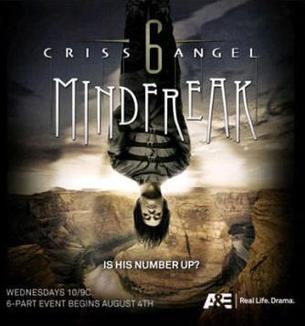
Format and signature acts
The episodes typically alternated between informal street interactions and elaborately staged stunts. Recurring types of effects included levitations, escapes, endurance feats and visually shocking moments such as being set on fire. Producers emphasized the danger and immediacy of each stunt while preserving the ritual of reveal that defines modern televised illusion.
- Street magic and impromptu reactions
- Levitation and suspension illusions
- Escape acts and endurance stunts
- Large-scale theatrical presentations
The program was often presented as the work of a single on-screen performer, with behind-the-scenes crews, safety rigs and preparation organized off camera. This mixture of apparent spontaneity and crafted production is a hallmark of contemporary televised magic.
Broadcast history and production
The series premiered on July 20, 2005, and was produced for and distributed by the A&E network; one on-air reference listed the show with A&E and related materials appeared under the banner of the A&E network. It ran through the late 2000s and led to touring stage shows and branded live productions that brought similar effects to theater audiences. The format proved adaptable for both one-off televised specials and multi-episode seasons.
Criss Angel himself is credited as the on-screen host and creative force; press and promotional pages commonly referred to the series as being hosted by him and featuring the persona of illusionist Criss Angel. Marketing often highlighted specific spectacles, including stunts described in publicity as stunts including self-immolation, though the exact methods and safety precautions were not shown in detail on air.
Reception, criticism and legacy
The show attracted a wide audience and played a role in bringing modern, television-friendly illusion into mainstream entertainment. It also drew criticism from some viewers and industry commentators who questioned whether parts of the work were staged or assisted. Such debates are common in televised magic, where the line between performance and production can be unclear. Regardless, the program influenced a generation of televised magicians and helped popularize high-impact spectacle in illusion.
Beyond television, the Mindfreak brand expanded into live stage productions and promotional tours. These theatrical versions emphasized extended narrative, choreography and special effects, translating the program’s mix of intimate magic and large stunts to a theater setting. The series remains a notable example of early 21st-century television magic and its crossover into live entertainment.
Related articles
Author
AlegsaOnline.com Criss Angel: Mindfreak (television series) Leandro Alegsa
URL: https://en.alegsaonline.com/art/24219