
Crêpe paper: definition, properties, production and common uses
Crêpe paper is paper that has been coated and mechanically creped to produce a wrinkled, stretchable sheet. Used in decorations, crafts and packaging, it differs from tissue and other specialty papers.
Crêpe paper is a paper product that has been coated with a sizing agent and then creped to produce a wrinkled, gathered surface. The creping process gives the sheet a distinctive corrugated texture and a degree of stretch along the crepe direction. This combination of surface roughness, softness and extensibility distinguishes crêpe paper from ordinary wrapping paper and plain tissue.
Image gallery
2 Images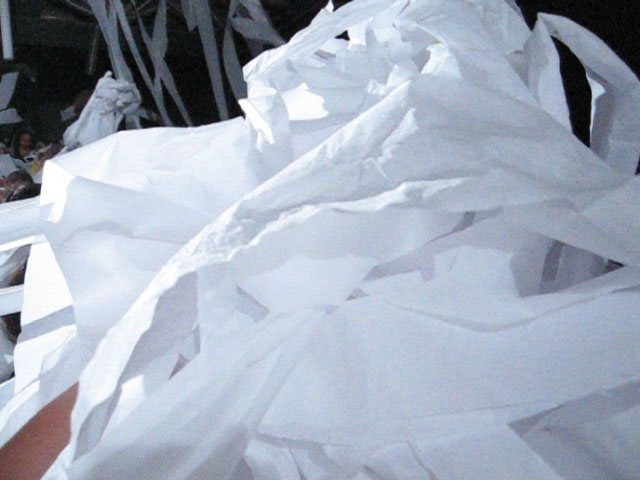

Manufacture and physical characteristics
In manufacturing, a wet paper web is dried on a cylinder and treated with a glue or adhesive sizing. A doctor blade scrapes the dried sheet from the cylinder, causing it to crinkle and form the characteristic crepes. Variations in formulation, crepe ratio and finishing produce grades that range from very lightweight, highly flexible crepe used for streamers to heavier, stronger crepe for floral work. Typical properties include low basis weight, pronounced surface texture, moderate elasticity, and easy dyeability.
Uses and examples
Crêpe paper is widely used in decorative and craft contexts because it holds folds and shapes well. Common applications include:
- party streamers and garlands, where its stretch and color play are advantages;
- handmade paper flowers and theatrical props, due to its ability to be stretched and molded;
- gift wrapping and packaging accents that require wrinkle texture;
- educational and hobby projects that need a sturdy, forgiving paper.
Its light weight and ready availability make it a staple in many craft rooms and schools. For technical or archival needs, heavier or specially treated crepe grades are manufactured.
History, distinctions and handling tips
Creping as a finishing technique developed alongside industrial papermaking to add bulk and softness without adding fiber. Over time, manufacturers refined crepe ratios, colors and coatings to suit decorative and functional markets. Crêpe paper should be handled gently: cutting across the grain produces neat edges, while stretching along the crepe increases length and enhances texture. Because it is paper-based, it is usually recyclable and biodegradable, although vivid dyes or coatings can affect recyclability.
Crêpe paper should not be confused with tissue paper (which is smoother and more delicate) or with corrugated board (which uses fluted cardboard for stiffness). For further technical details and manufacturer specifications, see more information.
Author
AlegsaOnline.com Crêpe paper: definition, properties, production and common uses Leandro Alegsa
URL: https://en.alegsaonline.com/art/24097