
Credit Suisse: Swiss global bank and financial services firm
Credit Suisse was a major Swiss multinational bank founded in 1856, known for private banking, investment banking and asset management; it underwent crisis and a government-backed acquisition in 2023.
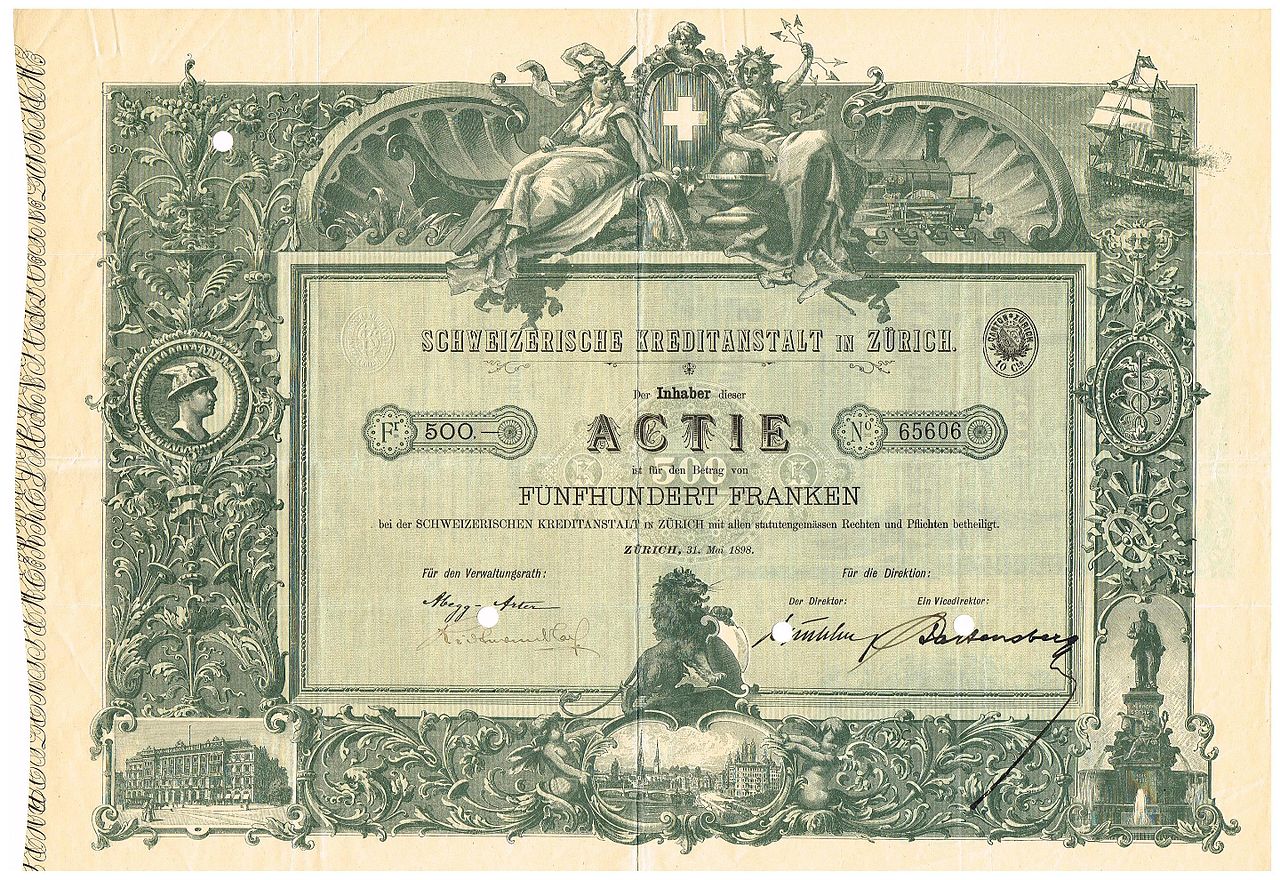
Credit Suisse was a major Swiss banking group founded in 1856 as Schweizerische Kreditanstalt by Alfred Escher with participation from a German credit institution. Headquartered in Zurich, it grew into a globally active financial services firm serving corporations, institutional investors and high-net-worth individuals. Over more than a century and a half the name became closely associated with Swiss private banking and cross-border wealth management.
Image gallery
10 Images




Core activities
- Private & wealth management: personalized banking, estate planning and investment advice for affluent clients.
- Investment banking: capital markets, mergers and acquisitions advisory, trading and securities underwriting.
- Asset management: funds and portfolio management for institutions and retail investors.
- Commercial and corporate banking: lending and financing solutions for businesses.
Credit Suisse historically combined these lines in a universal-bank model, operating regionally across Europe, the Americas and Asia. Its Swiss roots shaped a long-standing reputation for confidentiality and tailored client service, while international expansion in the 20th century built a broad network of offices.
History and development
The bank began in the mid‑19th century to help finance infrastructure and industry in Switzerland, later diversifying into international finance. During the 20th century it expanded its product range and geographic footprint, becoming one of Switzerland's largest banking groups. In modern decades it shared the stage with other global banks for corporate finance and wealth management clients.
In the early 2020s Credit Suisse faced several high-profile operational and risk-control setbacks related to concentrated client exposures and third-party financings. Those events exposed weaknesses in governance and prompted regulatory scrutiny. In 2023 the bank experienced acute confidence and liquidity pressures and was acquired by a fellow Swiss bank with government support to preserve financial stability.
Challenges, reforms and significance
The troubles that preceded the 2023 rescue highlighted common industry issues: managing complex counterparty risks, firm-wide governance and the interplay between investment banking and wealth-management activities. Credit Suisse's size and connections had made it systemically important, so its difficulties prompted coordinated public and private responses to limit broader market disruption. Restructuring, legal matters and client remediation have been part of the ensuing process.
Today the legacy of Credit Suisse is mixed: it is remembered for a long tradition in Swiss private banking and global finance, but also for the governance and risk-management lessons that followed its recent crisis. For further institutional information and primary resources see the official site and regulatory releases: official information and regulatory and press materials.
Related articles
Author
AlegsaOnline.com Credit Suisse: Swiss global bank and financial services firm Leandro Alegsa
URL: https://en.alegsaonline.com/art/24066