
COVID-19 pandemic in Italy: overview, response, and impact
A concise, neutral summary of the COVID-19 pandemic in Italy: origins, major developments, public-health measures, societal and economic effects, and notable lessons.
The spread of COVID-19 to Italy was first confirmed on 30 January 2020 when two Chinese tourists in Rome tested positive. What began with imported cases soon evolved into a broader public‑health crisis: by late February 2020 a large local outbreak emerged in northern Italy and the virus spread rapidly across regions, drawing international attention as one of the earliest and most severe epidemics in Europe.
Image gallery
10 Images





Origins and early development
Initial transmission involved both imported infections and community spread. A notable cluster in northern Lombardy signalled the start of rapid local transmission. Over the following weeks cases increased in multiple regions, prompting escalating interventions at regional and national levels to slow transmission and reduce pressure on health services.
Public health response
Authorities implemented a mix of containment and mitigation measures. These included:
- local and then nationwide restrictions on movement including stay‑at‑home orders;
- widespread testing, contact tracing, and isolation of cases;
- temporary expansion of hospital and intensive care capacity and reorganization of health services;
- mask mandates, social‑distancing rules, and limits on gatherings;
- a vaccination campaign beginning in late 2020 that later became central to controlling subsequent waves.
Impact on society and economy
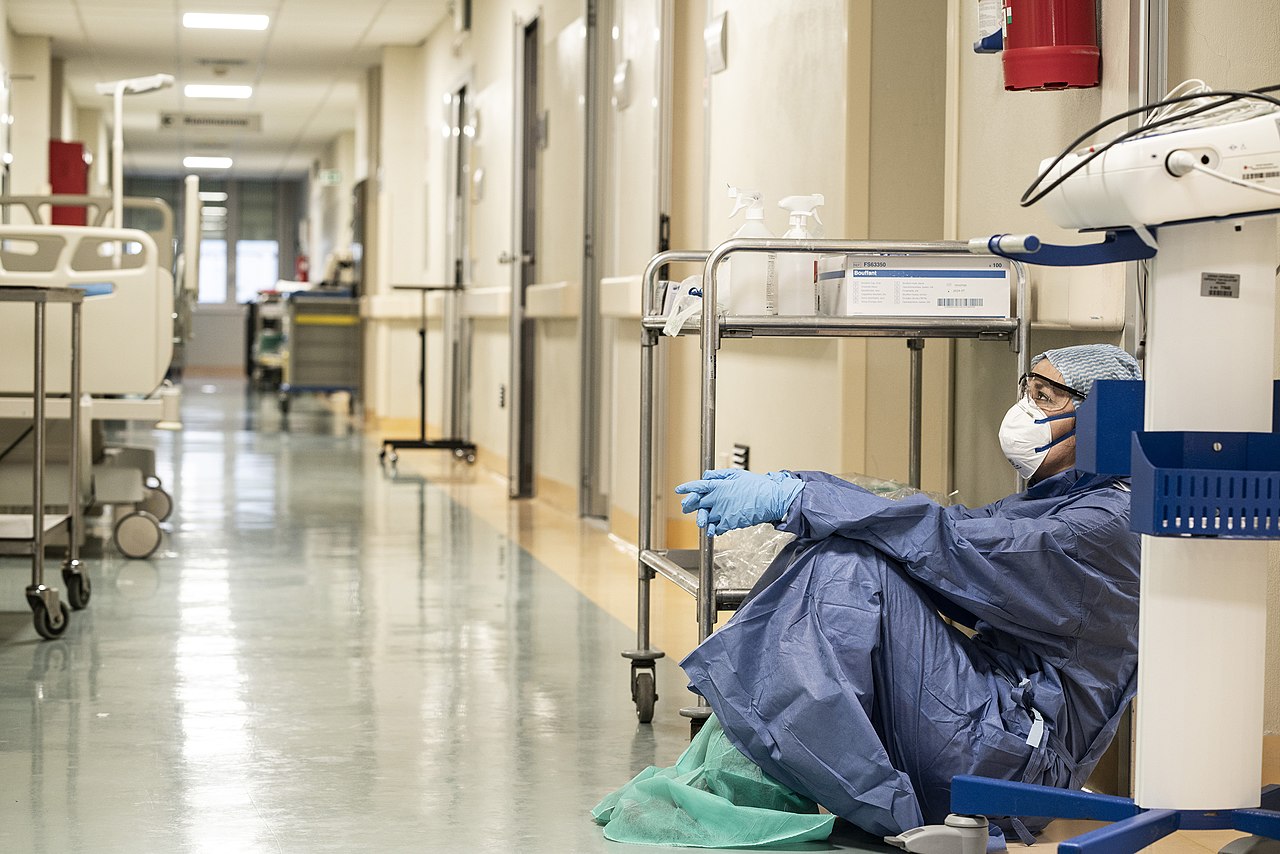
The pandemic affected healthcare delivery, the economy, education and everyday life. Hospitals in heavily hit areas experienced severe strain. Economic sectors such as tourism, hospitality and retail were particularly disrupted by travel restrictions and lockdowns. Schools, workplaces and cultural institutions adapted through closures, remote learning and remote work.
Notable facts and legacy
Italy was an early European epicentre, and its experience influenced international policy discussions about preparedness, hospital surge capacity, and non‑pharmaceutical interventions. The crisis also prompted debates on long‑term health system resilience, social support measures, and coordination at the regional and European levels. Lessons from Italy’s early waves informed later responses to variants and vaccination rollouts.
Further reading: official health sources and retrospective analyses offer timelines, policy evaluations and data on the pandemic’s course and consequences in Italy.
Related articles
Author
AlegsaOnline.com COVID-19 pandemic in Italy: overview, response, and impact Leandro Alegsa
URL: https://en.alegsaonline.com/art/23759
Sources
- corriere.it : "Coronavirus: Primi due casi in Italia"
- salute.gov.it : "Covid-19 – Situazione in Italia"
- reuters.com : "First Italian dies of coronavirus as outbreak flares in north"
- reuters.com : "Coronavirus outbreak grows in northern Italy, 16 cases reported in one day" · web.archive.org
- avvenire.it : "Coronavirus. Colpite tutte le regioni. La Protezione civile: ecco i numeri aggiornati"
- repubblica.it : "Coronavirus in Italia: aggiornamento ora per ora"
- bbc.com : "Coronavirus: Northern Italy quarantines 16 million people"
- bbc.co.uk : "All of Italy to be placed on coronavirus lockdown"
- news.sky.com : "Coronavirus: Italy deaths jump to 463, with 300 in just one region"
- washingtonpost.com : "Italy ramps up coronavirus lockdown, Merkel warns virus could infect two-thirds of Germany"
- wsj.com : "Italy Hardens Nationwide Quarantine"
- worldcat.org : 0099-9660
- theguardian.com : "Coronavirus: Italy bans any movement inside country as toll nears 5,500"
- gisanddata.maps.arcgis.com : "Coronavirus COVID-19 Global Cases by the Center for Systems Science and Engineering (CSSE) at Johns Hopkins"