
Coral Gables, Florida: a Planned Mediterranean Revival City near Miami
Coral Gables is a planned city in Miami-Dade County, Florida, known for Mediterranean Revival architecture, tree-lined boulevards, landmarks like the Venetian Pool and Biltmore, and the University of Miami campus.

Coral Gables is a suburban city in Miami-Dade County, Florida, in the United States. Located southwest of downtown Miami, it is recognized for careful early 20th-century planning, a consistent architectural character, and a mix of residential, commercial and institutional uses. The city is often associated with leafy avenues, Mediterranean-style buildings, and a compact downtown shopping district known as Miracle Mile.
Image gallery
10 Images


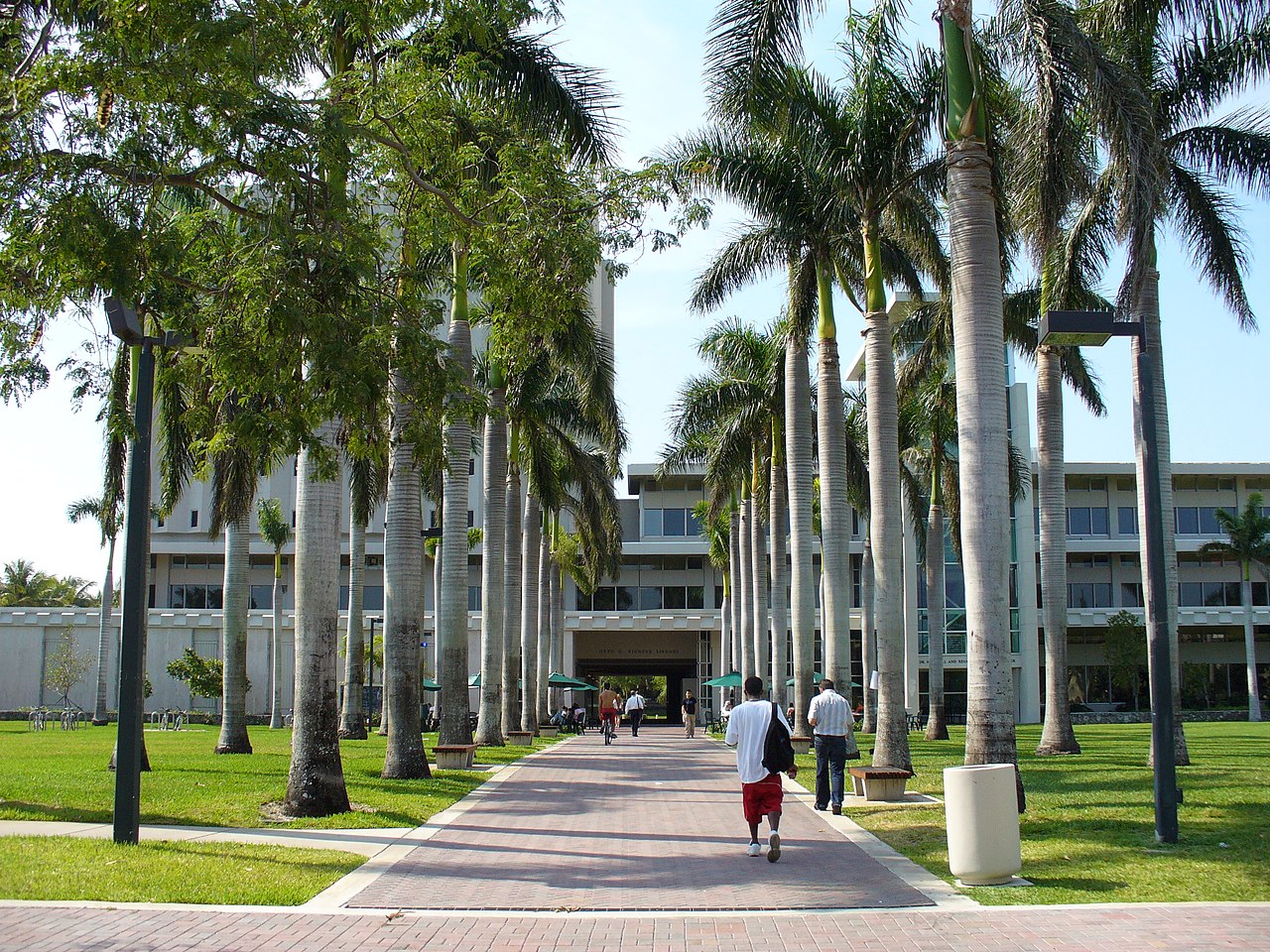


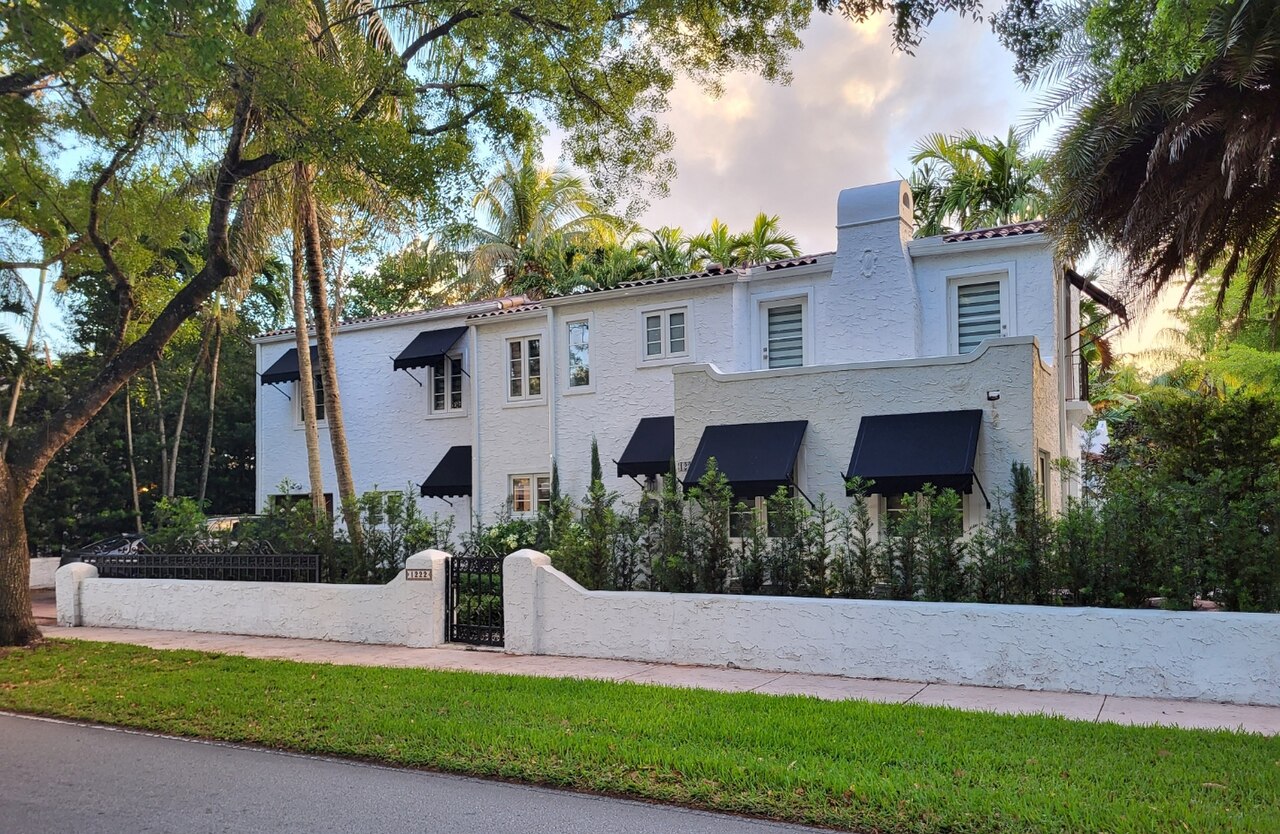

Design, layout and character
Coral Gables began as a planned development and retains many features of that origin: curving streets, extensive landscaping, and building guidelines that promoted cohesive aesthetics. The predominant architectural influence is Mediterranean Revival, which borrows from Spanish, Italian and Moorish motifs. Public spaces, parks and boulevards were part of the original concept and remain central to the city's identity.
Notable landmarks and institutions
- Biltmore Hotel — a historic luxury hotel and golf course often associated with the city's early growth.
- Venetian Pool — a unique public swimming pool created from a coral rock quarry and noted for its aesthetic design.
- Miracle Mile — a main commercial corridor with shops, restaurants and offices.
- University of Miami — a major private research university whose main campus is located in Coral Gables; a significant local employer and cultural presence: University of Miami.
History and development
The city was laid out during the Florida land boom of the 1920s by developers who promoted a coherent vision for neighborhoods, streets and public amenities. Coral Gables incorporated as a municipality in the 1920s and has since emphasized preservation of its historic fabric and streetscape. Its development reflects broader trends of suburban planning and the early 20th‑century "City Beautiful" movement.
Government, economy and culture
Coral Gables is a self-governing municipality with zoning and design-review practices that shape new construction and renovations. The local economy combines retail and dining along Miracle Mile, professional services, tourism tied to historic sites and hospitality, and education and research connected to the university. The city also hosts cultural institutions, community events and museums that serve residents and visitors.
Distinguishing features
Coral Gables is notable for its deliberate planning, historic architectural theme, and preservation policies that maintain a uniform character. Tree-lined boulevards, a commitment to pedestrian-friendly streets, and an emphasis on public spaces distinguish it from nearby urban neighborhoods. While it functions as part of the greater Miami metropolitan area, Coral Gables retains a distinct civic identity centered on design, history and landscaped urbanism.
Related articles
Author
AlegsaOnline.com Coral Gables, Florida: a Planned Mediterranean Revival City near Miami Leandro Alegsa
URL: https://en.alegsaonline.com/art/23012