
Company Clerk: Role, Duties, History and Modern Variations
An overview of the company clerk: responsibilities in offices, typical tasks, required skills, historical development, variants compared with other administrative roles, and modern trends.
Overview
A company clerk is an office worker responsible for routine administrative and clerical tasks that keep an organization’s daily operations running smoothly. Employed across private firms, public agencies and non-profits, clerks handle information flow, basic recordkeeping and front‑line communications. The role is often entry-level but can encompass a wide range of duties depending on company size and sector.
Image gallery
1 Image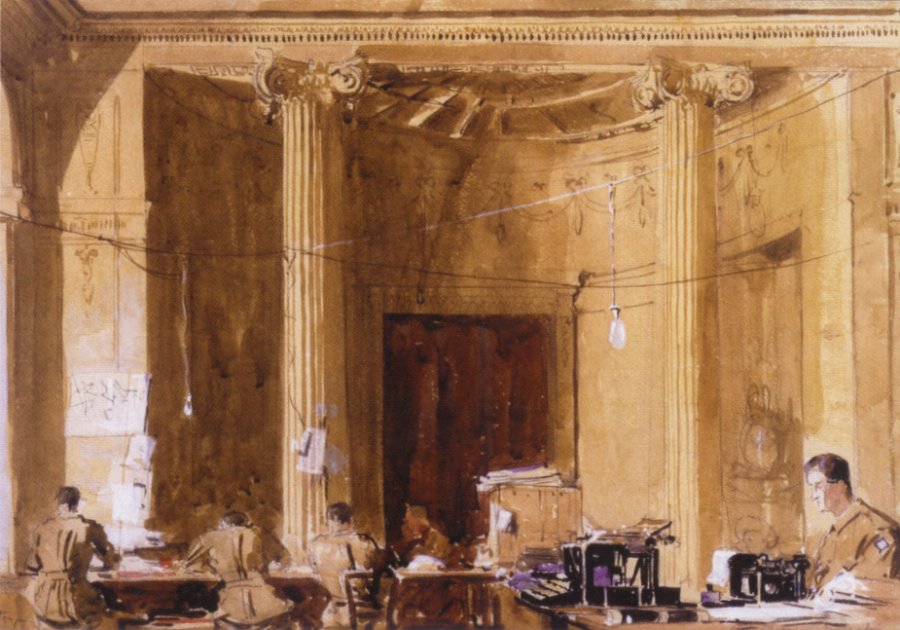
Common duties
Typical tasks performed by a company clerk include:
- Sorting and distributing incoming correspondence and mail.
- Filing and maintaining physical and electronic records.
- Answering phones, greeting visitors and directing inquiries.
- Scheduling appointments and preparing meeting materials.
- Data entry, basic bookkeeping or processing invoices and purchase orders.
- Monitoring and restocking office supplies and managing petty cash.
Skills and tools
Effective clerks combine organizational skills, attention to detail and clear communication. Familiarity with office software (word processing, spreadsheets, email and database systems) and basic document-management practices is frequently required. Customer service ability, time management and discretion with confidential information are also important.
History and development
Clerical work expanded with the growth of bureaucratic organizations and commerce during industrialization. The title and specific tasks have evolved as typewriters, photocopiers and, later, computers and office software automated many manual processes. While automation has changed day-to-day work, clerks remain essential for tasks that require judgment, customer contact or local knowledge of records.
Variations and distinctions
Titles related to this role include office clerk, administrative clerk, records clerk and reception clerk. Company clerks differ from secretaries or executive assistants mainly in scope and seniority: clerks often perform routine processing and support, while secretaries and assistants may manage executive schedules, correspondence and higher‑level administrative projects.
Importance and trends
Company clerks provide continuity and accuracy in administrative systems, serving as a bridge between frontline operations and management. Contemporary trends emphasize digital literacy, electronic records management and cross‑training so clerks can support multiple functions as organizations streamline staff and adopt new technologies.
Related articles
Author
AlegsaOnline.com Company Clerk: Role, Duties, History and Modern Variations Leandro Alegsa
URL: https://en.alegsaonline.com/art/22209