
Comanche, Texas
Comanche is a small city and county seat in central Texas, named for the Comanche people. As of the 2010 census its population was 4,335. It functions as a local service, agricultural, and historic center.
Overview
Comanche is a small incorporated city in central Texas. It serves as the principal town of its surrounding rural county and functions as a local centre for government, commerce, and community life. As of the 2010 U.S. census the population was recorded at 4,335. The city's name commemorates the Comanche people, the Native American tribe historically associated with the region.
Image gallery
2 Images
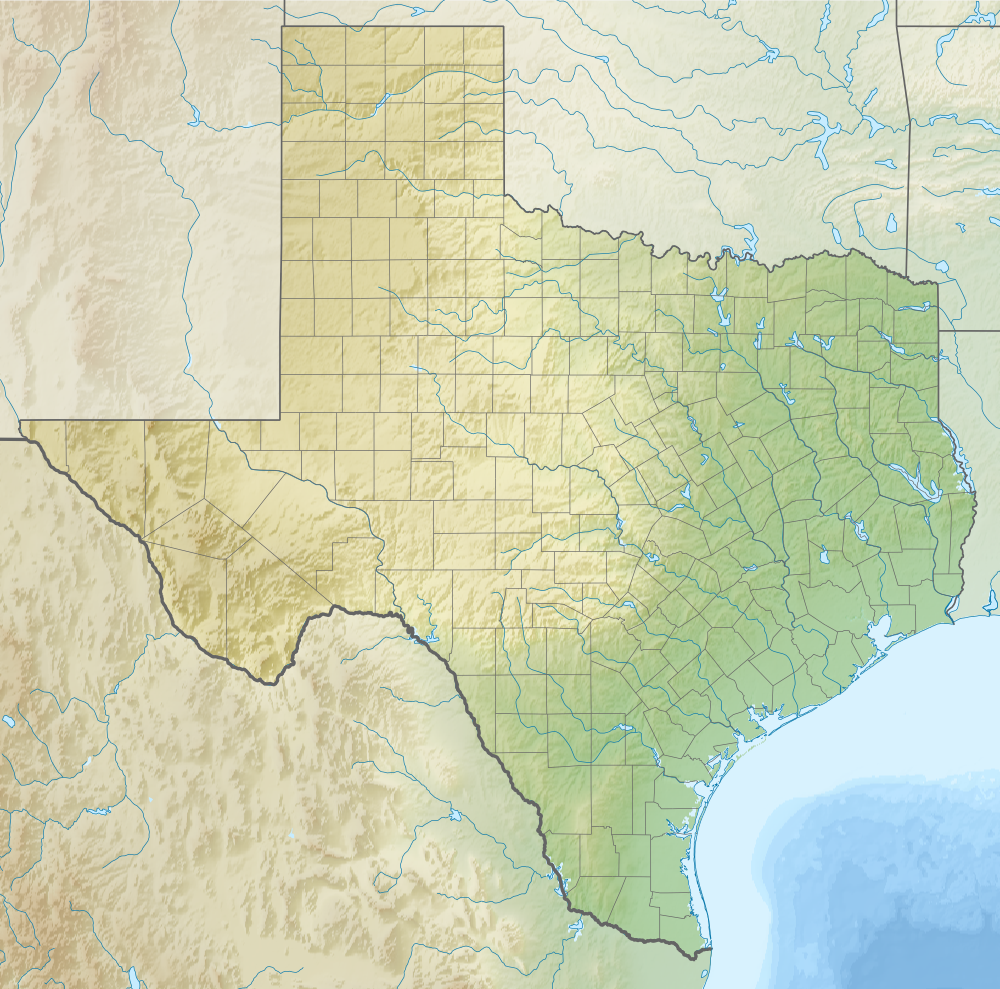
Location and characteristics
Situated among modestly rolling terrain typical of central Texas, Comanche combines residential neighborhoods, a downtown courthouse square, and agricultural lands on its outskirts. Local institutions commonly include a public school district, municipal offices, churches, small businesses and medical or professional services that serve nearby farms and ranches.
History
The town developed during the 19th century as settlers moved into the interior of Texas. Its growth followed patterns common to many Texas county seats: establishment of a courthouse and municipal governance, followed by businesses and services that supported rural producers and residents. The name reflects the long presence and influence of the Comanche people in this part of the state.
Economy and land use
Comanche's economy is rooted in a mix of agriculture, ranching and local retail and services. Small manufacturing, construction, and service industries also contribute employment. The city often acts as a trade and service hub for surrounding farms and unincorporated communities, supplying schools, banking, healthcare and legal services.
Culture, landmarks and community life
Community life typically centers on the courthouse area, annual fairs or festivals, school sports and church activities. Historic buildings, local museums, and family-owned businesses contribute to the town's character. Visitors often seek antique shops, public parks and nearby outdoor recreation in the broader county.
Distinctions and practical information
- Named for the Comanche people and located in central Texas.
- Recorded population: 4,335 (2010 census).
- Functions as a regional service and administrative center.
For maps, government details and local resources consult municipal and county guides: local information, state references at Texas resources, and broader regional material at regional guides.
Related articles
Author
AlegsaOnline.com Comanche, Texas Leandro Alegsa
URL: https://en.alegsaonline.com/art/21852