
College of Cardinals
Permanent body of senior Catholic clergy who advise the pope and elect his successor; cardinals are appointed for life and form the Church’s principal advisory and electoral college.
The College of Cardinals is the collective body of senior clerics in the Catholic Church who hold the title of cardinal. Historically called the Sacred College, this assembly serves as the pope’s closest group of advisers and as the body that elects a new pope in a conclave. Membership is conferred by the pope and normally lasts for life, though practical duties and voting rights change with age and assignment.
Image gallery
3 Images

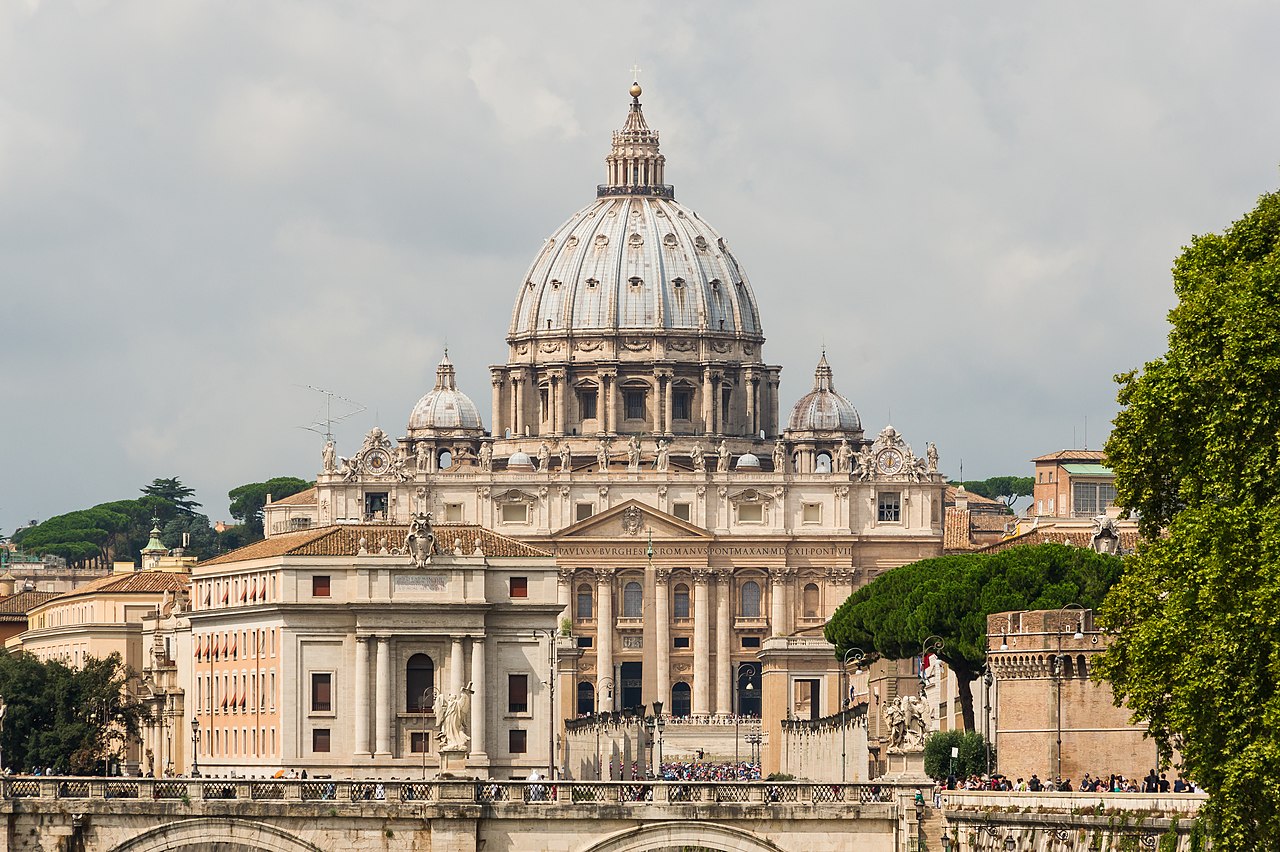
Structure and ranks
Cardinals are customarily bishops and are grouped into three traditional orders: cardinal-bishops, cardinal-priests, and cardinal-deacons. Each cardinal is assigned a titular church or deaconry in Rome or, for cardinal-bishops, a suburbicarian see. These assignments symbolically link the College to the Church of Rome while members continue to serve in dioceses or Vatican offices worldwide.
Not all cardinals exercise the same functions. Only those under a certain age are eligible to vote in a papal conclave; other cardinals retain advisory roles, curial responsibilities, or pastoral leadership in their home dioceses. The number of electors is customarily constrained by canon law and papal norms.
Functions and activities
- Advise the pope in consistories and formal meetings.
- Administer major departments of the Roman Curia and lead important dioceses.
- Convene in a conclave to elect a pope when the See of Rome is vacant.
- Attend liturgical ceremonies and represent the pope at important events.
Consistories are public or private sessions where new cardinals are created, reports are given, and important decisions are discussed. The College also issues collective statements or acts in certain circumstances, though final authority rests with the pope.
Originating from the clergy attached to the bishop of Rome in the early centuries of the Church, the College evolved through the medieval and modern periods into its present form. Today it combines ceremonial, administrative, and electoral roles that remain central to the governance and continuity of the Catholic Church.
Related articles
Author
AlegsaOnline.com College of Cardinals Leandro Alegsa
URL: https://en.alegsaonline.com/art/21583