
Colin Dexter
Colin Dexter (1930–2017) was an English crime novelist best known for creating Inspector Morse. His novels and their television adaptations popularized Oxford-set detective fiction and influenced later spin-offs.
Overview
Norman Colin Dexter (29 September 1930 – 21 March 2017) was an English crime writer best known for the Inspector Morse stories. Beginning in the 1970s, Dexter produced a series of novels and short stories featuring a thoughtful, mordant detective whose cases are often entwined with literary and musical references. His work reached a broad audience through print and television adaptations and helped establish a distinctive Oxford school of crime fiction.
Image gallery
1 Image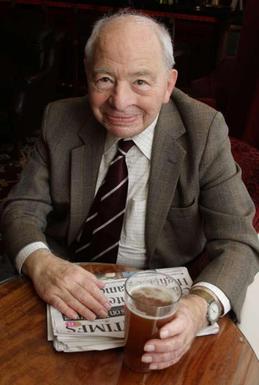
Inspector Morse: character and style
Inspector Morse is a complex lead: an intelligent, sometimes irritable, detective with a fondness for classical music, strong preferences for beer and real ale, cryptic crossword puzzles, and classic cars. Dexter's writing mixed intricate plotting with wordplay, allusion, and atmospheric descriptions of Oxford. The novels emphasize puzzle-solving, moral ambiguity, and the interplay between personal vices and professional virtues.
Works and notable features
Most of Dexter's best-known work centers on Morse and his relationships with colleagues—particularly Sergeant Lewis—and on settings in and around Oxford. His approach combined traditional murder-mystery mechanics with literary touches and social observation. Common elements include:
- Carefully constructed clues and red herrings.
- Frequent references to literature, music, and art.
- An Oxford setting that functions as more than backdrop, reflecting class and academic tensions.
Adaptations and legacy
The Inspector Morse novels were adapted into a long-running television series that aired from 1987 to 2000, bringing Dexter's characters to an international audience. The TV show's popularity later inspired further series based on the same universe, exploring Morse's junior years and his former sergeant's career. These adaptations extended Dexter's influence on both popular culture and the crime-fiction genre.
Honours and later life
In recognition of his contribution to literature, Dexter was appointed an Officer of the Order of the British Empire in 2000 and awarded the Freedom of the City of Oxford in 2001. Readers interested in a concise biographical overview can consult an official profile here, or a summary of his writing career here. Dexter died in his sleep at his home in Oxford on 21 March 2017; a contemporary notice is available here.
Dexter's work endures through continued readership and screen adaptations that explore the same characters and themes. His combination of cerebral puzzles, well-drawn characters, and a vividly portrayed setting keeps his novels relevant to both mystery enthusiasts and general readers interested in character-driven crime fiction.
Related articles
Author
AlegsaOnline.com Colin Dexter Leandro Alegsa
URL: https://en.alegsaonline.com/art/21541