
Albières (Aude) — small commune in southern France
Albières is a small rural commune in the Aude department of southern France. Known for its quiet mountain setting, it had 73 inhabitants in 1999 and lies in the former Languedoc-Roussillon region.
Overview
Albières is a small commune located in the Aude department in the south of France. It is traditionally associated with the historical region of Languedoc-Roussillon, now part of the larger Occitanie administrative region after territorial reorganization. The settlement is notable for its very small population—official figures record 73 inhabitants in 1999—and for its rural, tranquil character.
Image gallery
5 Images


Geography and environment
Set amid the rolling hills and ridges that characterize much of inland Aude, Albières occupies a predominantly natural landscape of scrubland, woodland and small agricultural plots. The climate is influenced by Mediterranean patterns: warm, dry summers and mild, wetter winters. Such surroundings make the commune typical of the quieter, upland parts of the former Languedoc-Roussillon area.
History and identity
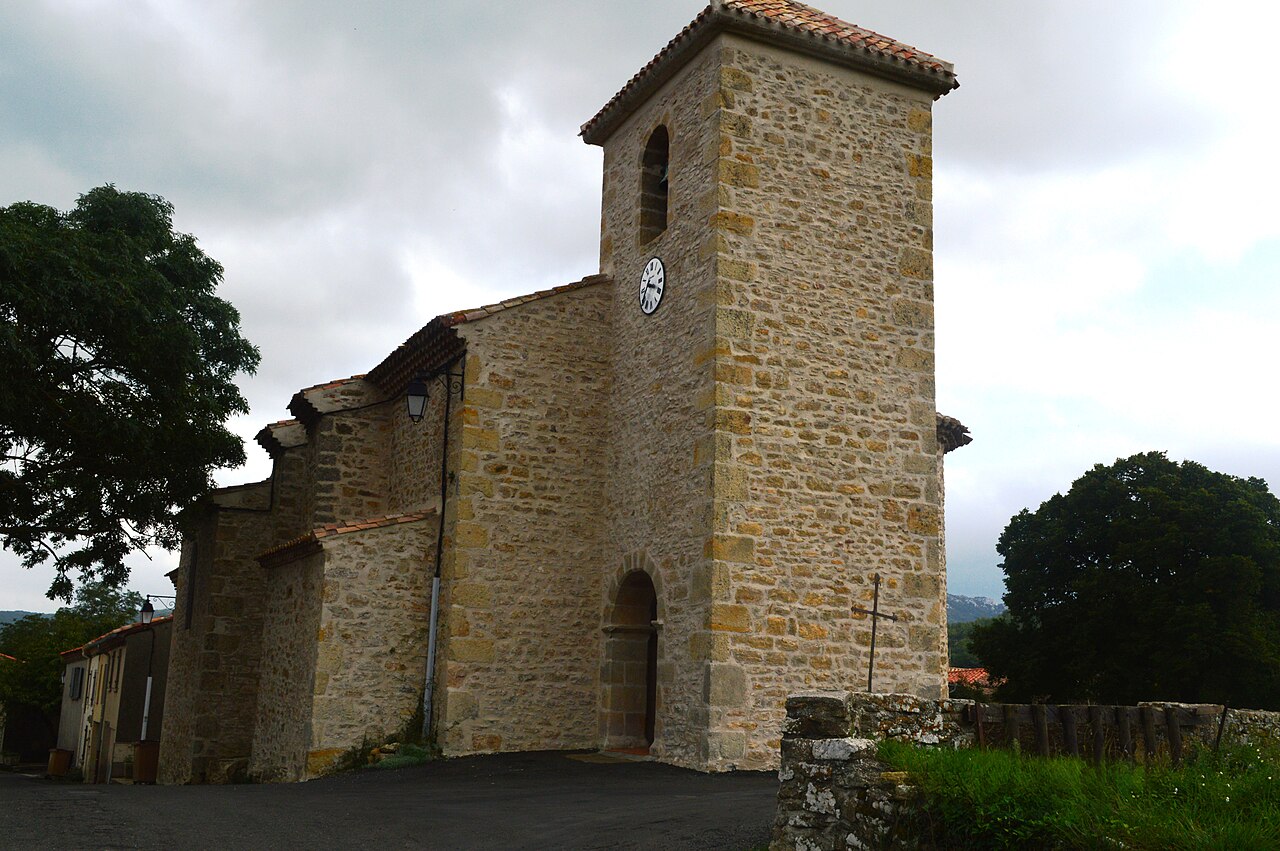
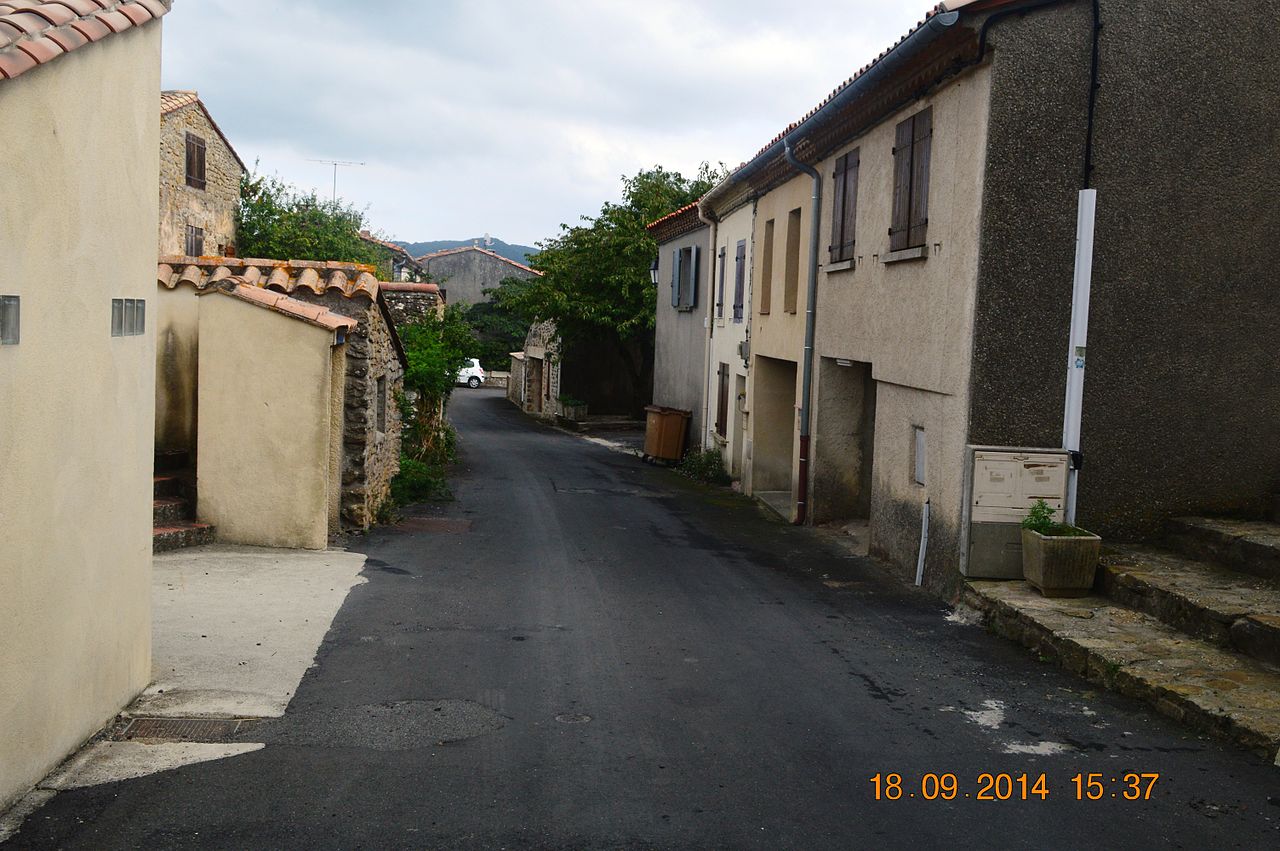
The village shares the long regional history of Languedoc, with cultural links to Occitan language and traditions. Like many small southern French communes, its origins are medieval and its built heritage tends to be modest: a parish church, a cluster of houses, and traces of older rural structures. Albières exemplifies the slow demographic shifts and rural depopulation experienced by many mountain and hill communities over the 19th and 20th centuries.
Administration and population
Administratively Albières functions as a basic municipal entity within its department, governed by a mayor and municipal council responsible for local services. The recorded population is very small, and contemporary counts may vary; the 1999 census figure of 73 inhabitants is often cited as an indicator of its scale. Small communes like Albières routinely cooperate with neighboring municipalities for shared services.
Economy, uses and notable features
The local economy is primarily rural and low intensity: small-scale agriculture, grazing, forestry and, increasingly, tourism-related activities such as hiking and rural lodging in the surrounding area. Visitors are typically attracted by quiet countryside, walking routes and the sense of traditional village life. There are no large industries in the commune; economic life reflects the broader patterns of sparsely populated upland Aude.
Practical information and links
- Access: primarily by departmental roads and local tracks; the nearest larger towns provide commercial and transport links.
- Visiting: suited to walking, countryside observation and experiencing rural Occitan culture.
- Further reading: local and departmental notices provide more detail on administration and events—see regional overviews for context.
For general reference about the commune and its region see the linked pages on its status as a commune, the historical Languedoc-Roussillon context, the Aude administrative area, departmental arrangements department and broader information on the south of France.
Related articles
Author
AlegsaOnline.com Albières (Aude) — small commune in southern France Leandro Alegsa
URL: https://en.alegsaonline.com/art/2149
Sources
- insee.fr : "Populations légales 2017"
- commons.wikimedia.org : Albières