
Cochabamba Department, Bolivia
Cochabamba Department is a central Bolivian region of valleys, mountains and lowlands. Centered on the city of Cochabamba, it is known for agriculture, Quechua culture, diverse climates and historical events.
Overview
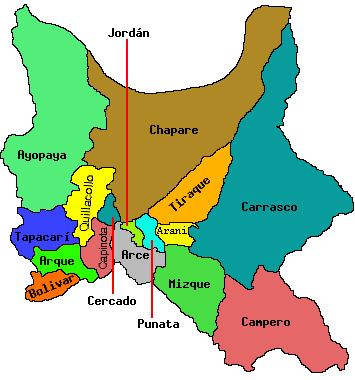
Cochabamba is a department in central Bolivia that spans Andean valleys, mountain ranges and foothills. The administrative capital and largest urban center is the city of Cochabamba, long known for its mild climate and commercial role in the country. For general information see this reference and for city details consult the capital's page.
Image gallery
4 Images


Geography and climate
The department includes a mix of high valleys, steep slopes and lower humid areas. Elevations range from temperate valley floors to higher puna areas, producing varied local climates: mild and springlike in the main valley, colder in the highlands and warmer with more rainfall toward the northeastern foothills. This geographic diversity supports a wide variety of crops and natural habitats.
History and people
Human presence in the Cochabamba region predates the Inca expansion and later Spanish colonization. Indigenous Quechua-speaking communities remain a visible part of the department's cultural fabric. In modern times the region has been a focal point for social and political movements, reflecting rural–urban ties and debates over resources and governance.
Economy and land use
Agriculture forms a backbone of the local economy, with vegetable, fruit and grain production concentrated in valley areas and livestock grazing on higher ground. The department also supports manufacturing, commerce and service sectors centered on the capital city. Local markets and agri-processing are important to both regional supply and national trade.
Culture, tourism and notable facts
- Quechua traditions and Catholic festivals combine in popular celebrations and music.
- Natural attractions include scenic valleys, archaeological sites and access routes into Andean highlands.
- The city of Cochabamba is often noted for its temperate weather and regional cuisine.
Administration and transport
The department is subdivided administratively into provinces and municipalities that manage local services and development. Transport links connect the valley with other major Bolivian cities, and the capital hosts the principal regional airport and road hubs that support commerce and tourism.
Related articles
Author
AlegsaOnline.com Cochabamba Department, Bolivia Leandro Alegsa
URL: https://en.alegsaonline.com/art/21314
Sources
- cia.gov : "The World Factbook"
- bolivia.com : www.bolivia.com
- en.wikivoyage.org : Cochabamba Department
- tools.wmflabs.org : 17°20′S 65°30′W / 17.333°S 65.500°W / -17.333; -65.500