
Coachella Valley Music and Arts Festival
Annual multi-genre music and arts festival in Indio, California, known for large-scale performances, immersive art installations, reunions and broad cultural influence since 1999.
Overview
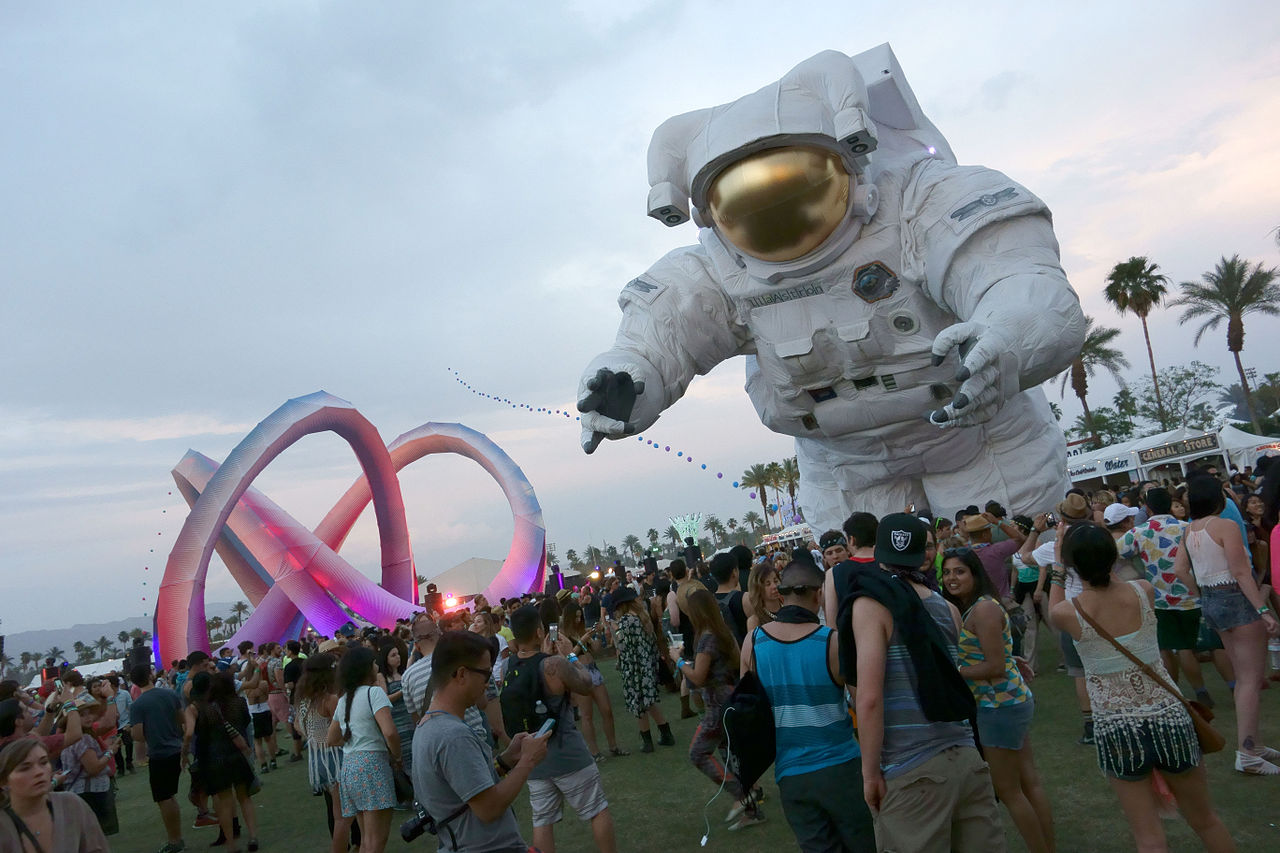
The Coachella Valley Music and Arts Festival, commonly called Coachella, is an annual multi-day music and arts event held at the Empire Polo Club in Indio, California. First staged in 1999 and returning as an ongoing event from the early 2000s, Coachella is notable for mixing many musical styles—rock, pop, hip-hop, electronic, indie and more—alongside large-scale visual art installations and sculptural works. The festival typically takes place each spring and draws attendees from across the United States and around the world.
Image gallery
10 Images



History and development
Originally launched at the end of the 20th century, Coachella established a reputation for adventurous bookings and high-profile reunions, helping to revive or broaden the visibility of many artists. Over time it expanded in size and scope, evolving from a single-weekend gathering to a multi-weekend format and adding more stages, production levels and curated art projects. The festival’s growth mirrored broader trends in large-scale, commercially produced music events while retaining a focus on spectacle and discovery.
Characteristics and components
Coachella combines live performances with large interactive artworks, light and video installations, and a wide selection of food, fashion and vendor booths. Production elements include multiple stages programmed concurrently so audiences can choose between headline acts and emerging artists. Many attendees stay in on-site or nearby campsites, and there are tiered ticket options from general admission to VIP experiences.
Notable performers and moments
The festival’s lineups are known for mixing established headliners with emerging talent and genre crossovers. Acts from diverse musical backgrounds have appeared, and Coachella has hosted reunion performances and career-defining sets. Examples of artists who have been part of Coachella's history include Rage Against the Machine and Nickel Creek, illustrating the event’s wide stylistic range.
Uses, cultural impact and controversies
Coachella has become a cultural touchstone beyond the music itself: it influences fashion trends, social media coverage and festival business models. The event can boost local economies through tourism but has also prompted discussion about ticket prices, environmental impacts on the desert site, and corporate sponsorship. It serves as a major platform for artists to reach new audiences and for brands to create experiential marketing.
Practical information and tips
- Plan for heat and sun protection; spring desert conditions can be warm and dry.
- Expect multiple stages and overlapping sets—arrive early for popular performances.
- Tickets often sell out quickly; resale markets and tiered packages affect availability and cost.
As a recurring cultural event, Coachella remains an influential showcase for live performance and large-scale art in a festival format, balancing spectacle, discovery and commerce while continuing to evolve each season.
Tags
Related articles
Author
AlegsaOnline.com Coachella Valley Music and Arts Festival Leandro Alegsa
URL: https://en.alegsaonline.com/art/21208
Sources
- sandiegouniontribune.com : "Coachella announces performance times"