
Claret (Alpes-de-Haute-Provence) — commune in southeastern France
Claret is a small rural commune in the Alpes-de-Haute-Provence department of southeastern France, known for its Provençal countryside, local heritage, and role within France's municipal system.
Claret is a small commune in the Alpes-de-Haute-Provence department of southeastern France. It forms part of the region's network of rural municipalities and shares the Provençal landscape of hills, farmland and wooded slopes. For administrative information see Claret and the wider Alpes-de-Haute-Provence department.
Image gallery
1 Image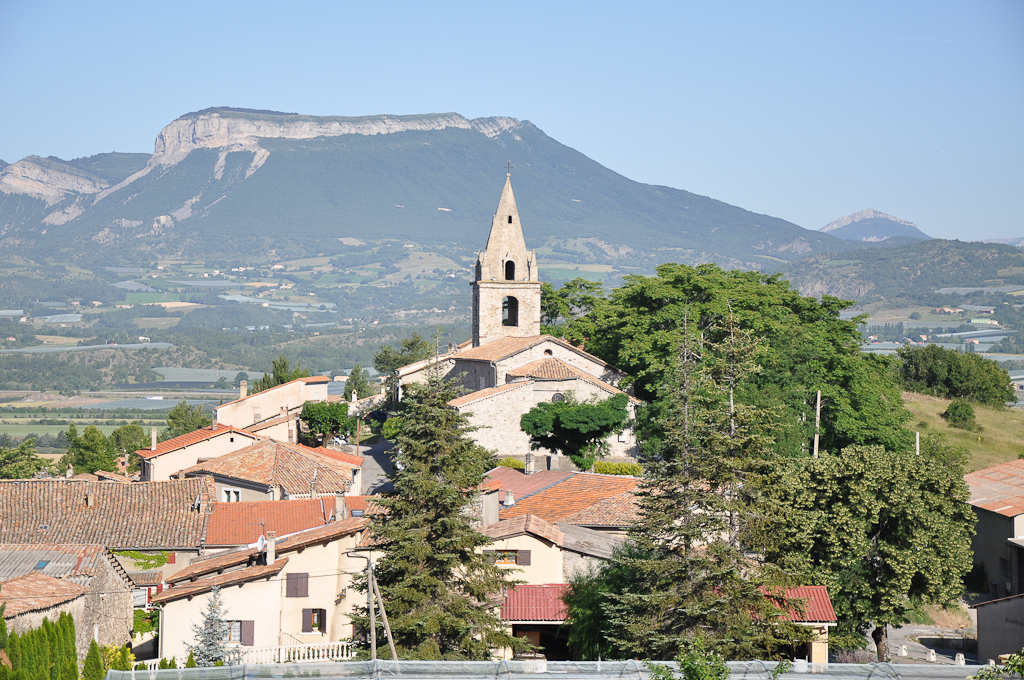
Geography and environment
The commune occupies a modest area typical of inland Provence, with a mix of cultivated fields, pastures and natural vegetation. Its climate is influenced by Mediterranean and alpine factors, producing warm summers and cool winters. Local streams and small valleys shape rural land use and routes of communication.
History and development
Like many villages in this part of France, Claret's origins lie in rural settlement patterns from medieval times and earlier. Over centuries the locality evolved around agriculture, parish life and local roads. The village fabric often reflects traditional stone buildings and modest village planning rather than large urban growth.
Administration and population
Claret is governed as a French commune with an elected mayor and municipal council, the basic level of local government in France. The communal structure manages local services, planning and communal activities in coordination with departmental and regional authorities; see a general overview of French communes here.
Economy, culture and sights
The local economy is typically based on agriculture, small-scale commerce and services, with some residents commuting to larger towns. Cultural life centers on village events, the parish church or chapel, and preserved rural architecture such as stone houses and dry-stone walls. Visitors often appreciate the quiet countryside, walking routes and regional gastronomy.
Practical information and distinctions
Access to Claret is usually by regional and departmental roads; public transport is limited in many rural communes, so private transport is common. This Claret should not be confused with other French localities of the same name; for national context see France. For additional local details consult municipal notices or regional guides linked above.
- Typical features: rural landscape, traditional village center
- Local governance: mayor and municipal council
- Common activities: agriculture, small businesses, local tourism
Related articles
Author
AlegsaOnline.com Claret (Alpes-de-Haute-Provence) — commune in southeastern France Leandro Alegsa
URL: https://en.alegsaonline.com/art/20704
Sources
- insee.fr : "Populations légales 2017"