
Chía, Cundinamarca: town on Bogotá's northern plateau
Chía is a municipality north of Bogotá in the department of Cundinamarca, Colombia. Known for its Muisca heritage, suburban growth, university campus and commercial centers, it links Bogotá to Zipaquirá.
Chía is a municipality on the high plateau north of Bogotá in the department of Cundinamarca, in central Colombia. Situated along the main route connecting the capital with nearby towns such as Zipaquirá, Chía functions both as an independent town with historical roots and as a suburban part of the Bogotá metropolitan influence. Its landscape is typical of the Andean high plain and supports a mix of residential, educational and commercial activity.
Image gallery
8 Images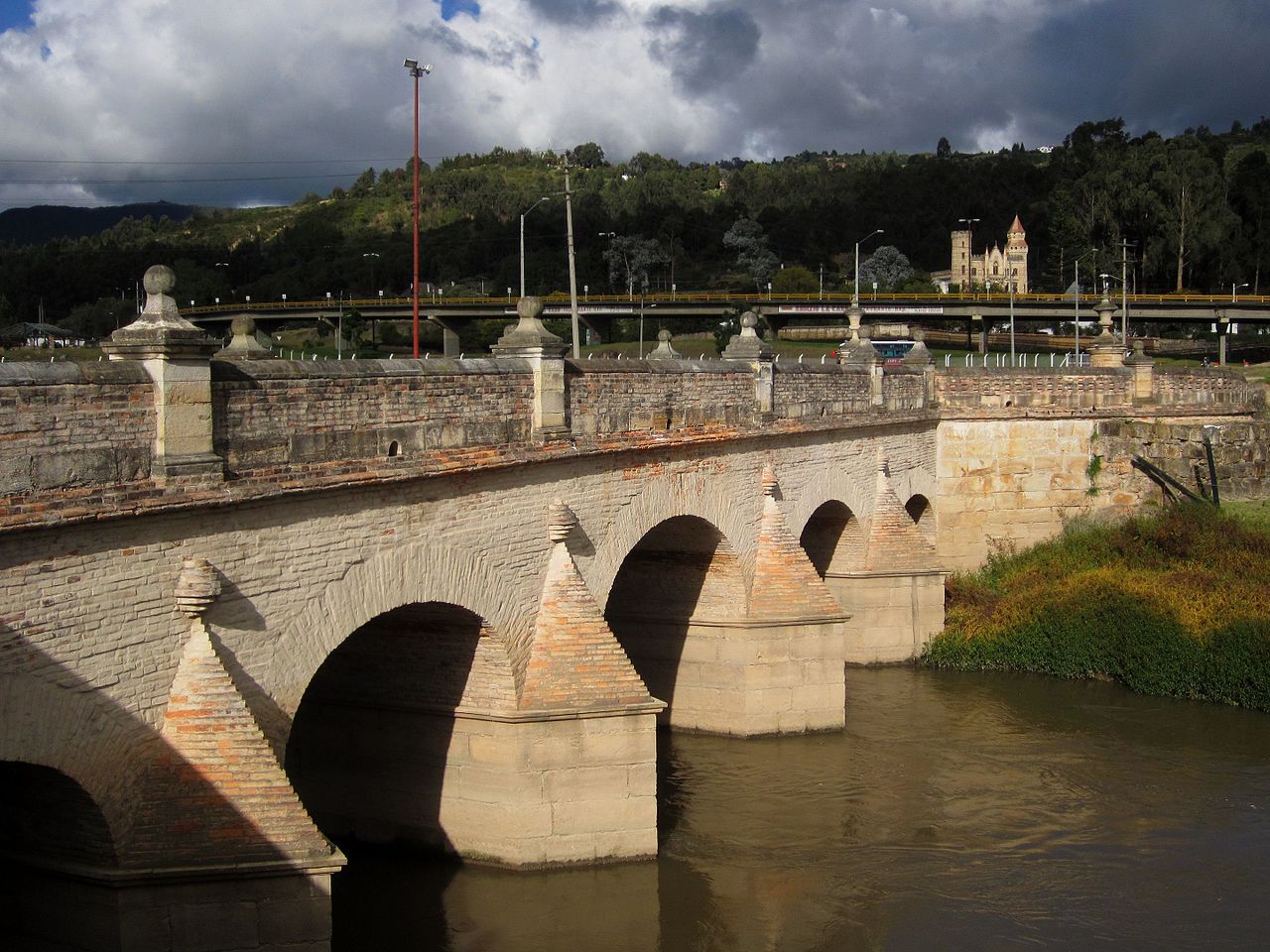


Origins and historical background
The name Chía derives from the indigenous Chibchan language of the Muisca people, commonly interpreted as "moon" or "month" and associated with a lunar goddess in local pre‑Columbian belief. The area was an active part of Muisca territory before Spanish contact; after the sixteenth century the settlement evolved under colonial administration. Over time Chía preserved traces of that indigenous past while absorbing colonial and republican-era developments.
Characteristics and institutions
Today Chía combines several roles: a traditional town center with churches and markets; a suburban residential area favored by commuters to Bogotá; and a location for institutions and services that serve a broader region. The town hosts the Universidad de la Sabana, an important private university campus that draws students from across the country. Commercial growth has produced shopping centers and hospitality enterprises that cater to both local residents and visitors.
Transport, economy and daily life
Chía sits on a main corridor used by private and public transport between Bogotá and northern Cundinamarca, which has encouraged commuter flows and commercial investment. The local economy includes retail, education, construction and services linked to metropolitan demand. Agricultural activity persists on the municipality's outskirts, reflecting the area's mix of urbanization and rural land use.
Landmarks and community features
- Historic town center with religious and municipal buildings that reflect colonial and republican architecture.
- University campus and associated cultural venues that contribute to a student population and events calendar.
- Modern commercial complexes and markets that serve regional consumers and visitors.
- Proximity to regional attractions such as Zipaquirá and its salt works on routes linking to Bogotá.
Chía exemplifies many municipalities on the Bogotá plateau: it preserves pre‑Hispanic and colonial references in its identity while adapting to contemporary pressures of urban growth, education and commerce. For concise administrative or travel details see the department and national links: Cundinamarca, Colombia, and the nearby capital city Bogotá.
Related articles
Author
AlegsaOnline.com Chía, Cundinamarca: town on Bogotá's northern plateau Leandro Alegsa
URL: https://en.alegsaonline.com/art/19472