
Chenu, Sarthe
Chenu is a rural commune in the Sarthe department of the Pays de la Loire region in western France. This article outlines its location, landscape, history, administration, and notable local features.
Chenu is a commune commune located in the administrative region Pays de la Loire (regional context). It lies within the Sarthe department (departmental context) in the west of France western France. As with many small French communes, Chenu functions as the basic unit of local government and community life.
Image gallery
1 Image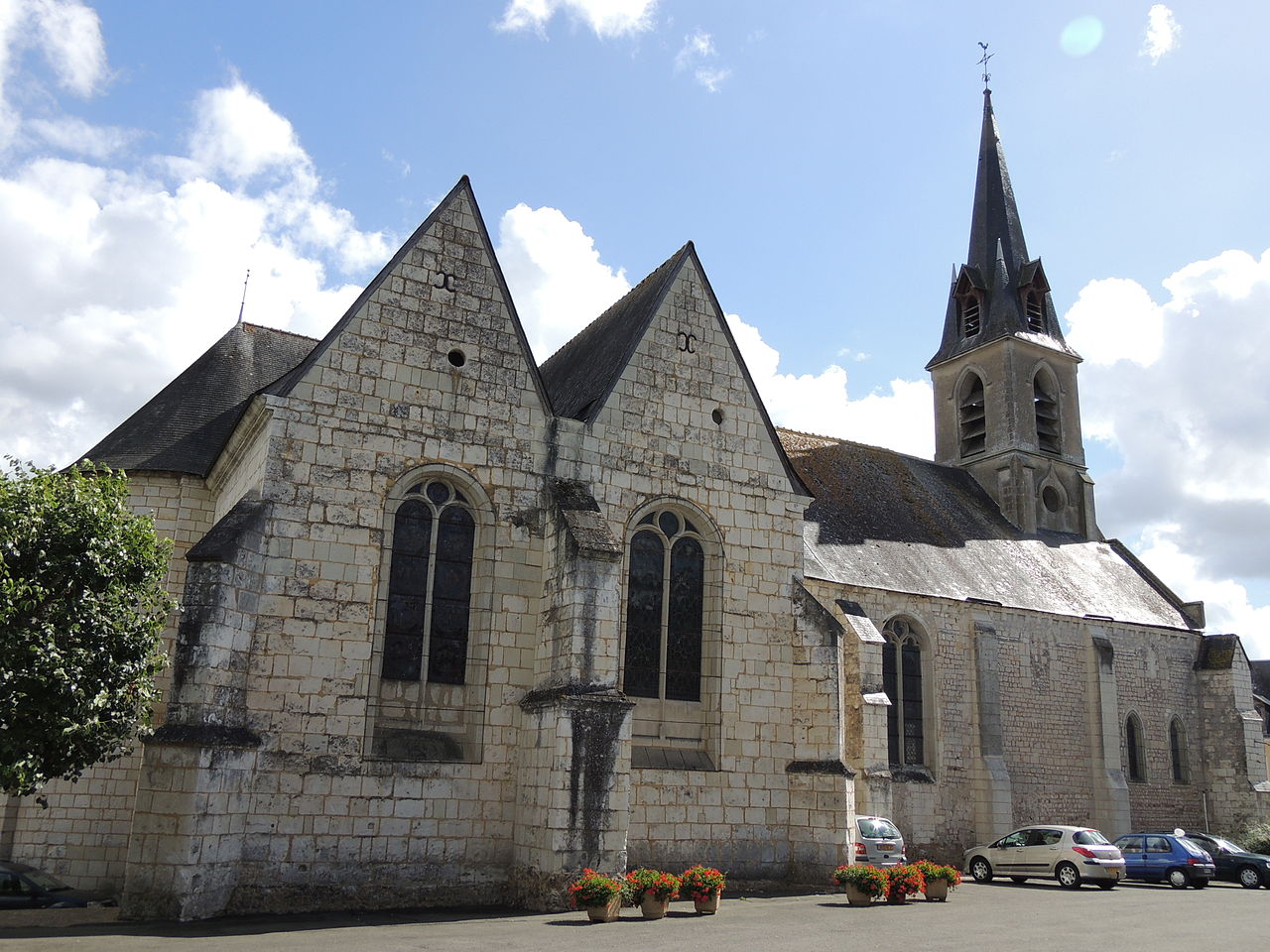
Geography and landscape
Chenu occupies a predominantly rural setting typical of the Sarthe countryside. The surrounding landscape is a mix of farmland, hedgerows and small wooded areas. Local roads connect the village to nearby towns and services; the environment supports mixed agriculture and seasonal outdoor activities such as walking and cycling.
History and development
The settlement that became Chenu likely has roots in the medieval period, as is common across northwestern France, and was reorganized administratively during the French Revolution when communes were established. Over time the village evolved around its communal institutions — the mairie (town hall), places of worship and shared agricultural practices — while adapting to modern changes like improved transport and utilities.
Administration, economy and services
Chenu is governed by a municipal council and mayor, responsible for local services, planning and community events. The local economy is primarily rural: farming, small enterprises and artisans often coexist with residents who commute to larger centers for employment. Public amenities typically include a town hall, community hall, and memorials; schools and specialized services are commonly shared with neighbouring communes.
Local life and notable features
Life in Chenu centers on community traditions, seasonal markets and local associations. Visitors may find characteristic village architecture, a parish church or chapel and public green spaces. Common features include:
- Municipal buildings and a village square
- Rural roads and paths suitable for walking
- A focus on agriculture and small-scale food production
Chenu illustrates the many small communes that contribute to the cultural and agricultural fabric of the Pays de la Loire. It should not be confused with other places that have similar names; for detailed administrative data and practical information consult the appropriate departmental or regional sources indicated above.
Related articles
Author
AlegsaOnline.com Chenu, Sarthe Leandro Alegsa
URL: https://en.alegsaonline.com/art/19243