
Châteauneuf-les-Martigues
A coastal commune in Bouches‑du‑Rhône, Provence‑Alpes‑Côte d'Azur, located by the Étang de Berre near Martigues and Marseille, known for its lagoon setting and local commerce.

Châteauneuf‑les‑Martigues is a French commune in the department of Bouches‑du‑Rhône, in the administrative region Provence‑Alpes‑Côte d'Azur. It lies on the shore of the Étang de Berre lagoon, close to the town of Martigues and within the wider hinterland of Marseille, and had a population of about 11,900 in the early 2000s.
Image gallery
1 Image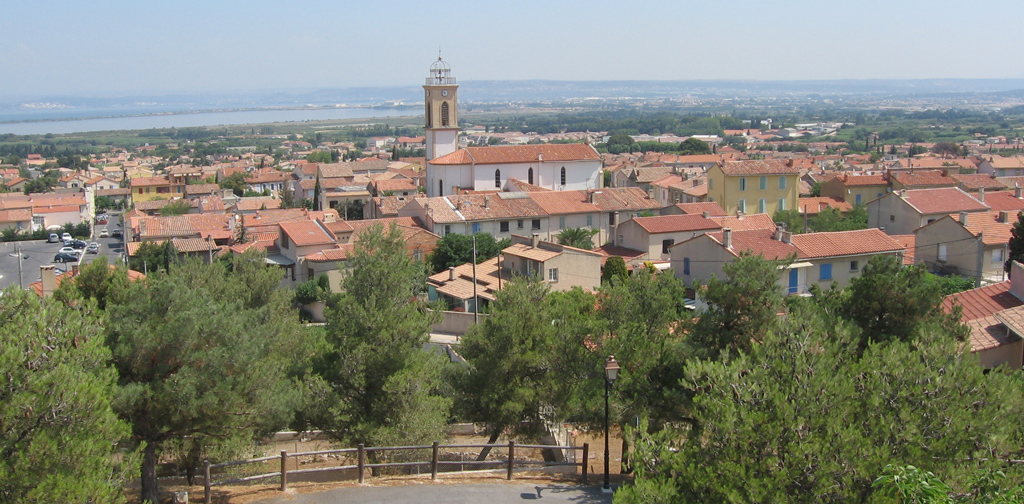
Geography and climate
The town occupies a coastal position on a Mediterranean lagoon with a mild, dry climate typical of southern France. Its landscape combines low-lying shorelines, marshy areas near the étang, and small built-up zones. The setting makes it part of a network of communities on the Étang de Berre that share maritime, recreational, and environmental interests.
History and name
The name Châteauneuf‑les‑Martigues literally means "new castle near Martigues" and reflects medieval settlement patterns centered on fortified sites. Over time the locality evolved from a small rural settlement to a suburban and service-oriented community influenced by nearby industrial and port developments.
Economy, transport and services
Local life combines residential neighborhoods with commercial services for inhabitants and visitors. The commune benefits from road links and local bus connections to Martigues and to the wider Marseille area, enabling commuting and access to regional ports and industry. Economic activity includes small businesses, hospitality related to the lagoon and coast, and public services.
Points of interest and identity
Notable aspects of Châteauneuf‑les‑Martigues include its lagoon-side setting, opportunities for boating and walking along the étang, and a Provençal cultural backdrop shared with neighboring towns. Visitors and residents can explore local markets, coastal paths and the nearby urban centers that provide museums and larger cultural venues.
Administrative and practical information
- Region: Provence‑Alpes‑Côte d'Azur
- Department: Bouches‑du‑Rhône
- Nearby reference cities: Marseille and Martigues
- Official local resources and municipal services can be consulted through the commune's channels and regional portals (local administration, regional information).
As part of the Étang de Berre coastal system, Châteauneuf‑les‑Martigues contributes to the social and environmental fabric of western Bouches‑du‑Rhône while offering a quieter alternative to the larger nearby urban centers.
Related articles
Author
AlegsaOnline.com Châteauneuf-les-Martigues Leandro Alegsa
URL: https://en.alegsaonline.com/art/18960