
Chandragupta I — Early Gupta monarch who established imperial power in northern India
Chandragupta I (early 4th century CE) was an early Gupta ruler who forged dynastic alliances, issued characteristic gold coinage, and laid institutional foundations for the classical Gupta polity that his successors expanded.
Overview
Chandragupta I (also spelled Chandra Gupta I) was an early ruler of the Gupta dynasty who came to prominence in the northern Indian plain in the early fourth century CE, conventionally around 320 CE. He is widely regarded as the figure who raised a regional ruling family into a dynasty with imperial ambitions and whose reign marks the conventional beginning of the Gupta era, later associated with a flourishing of arts, literature and administration.
Image gallery
10 Images




Origins and accession
Details of his early life remain scarce in contemporary records. Chandragupta appears to have consolidated control over parts of Magadha and adjacent territories. Rather than relying solely on long campaigns of conquest, he strengthened his position through marriage alliances and by integrating influential local lineages into the expanding Gupta polity.
Marriage and alliances
One of the best-attested aspects of his reign is a politically important marriage to a Lichchhavi princess, often named Kumaradevi in later sources. This alliance brought prestige and connections in the fertile Ganges basin and helped create a stable territorial core that later rulers could enlarge.
Coinage and administration
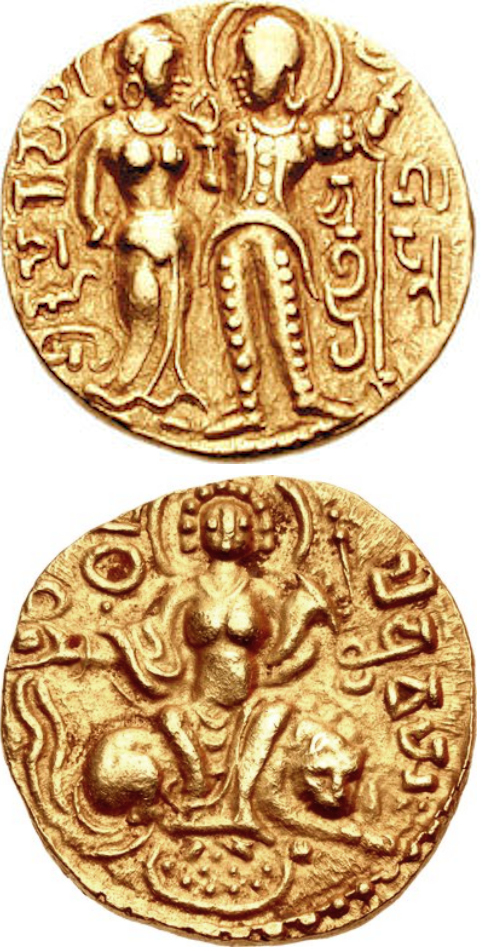
Gold coins attributed to Chandragupta I show distinctive imagery, often depicting the royal couple and divine motifs, indicating both economic resources and a developing royal ideology. Inscriptions and numismatic evidence suggest that he established administrative practices and a court culture that his successors refined while assuming higher imperial styles and undertaking more extensive military campaigns.
Legacy
Chandragupta I is chiefly important as the architect of Gupta ascendancy: his alliances and institutions provided the groundwork upon which later emperors, notably Samudragupta and Chandragupta II, built a more extensive and celebrated classical empire. He should not be confused with the earlier Mauryan founder Chandragupta Maurya or with the later Gupta ruler Chandragupta II (often associated with the title Vikramaditya).
Further reading
- Surveys of the broader Gupta Empire provide context for Chandragupta I's role in late ancient Indian history.
- Works on the political geography and dynastic alliances of the Ganges region explain how marriage and local networks supported state formation in this period.
Tags
Related articles
Author
AlegsaOnline.com Chandragupta I — Early Gupta monarch who established imperial power in northern India Leandro Alegsa
URL: https://en.alegsaonline.com/art/18527