
Champaign, Illinois — overview of the city, university, and local character
Champaign is a Midwestern city in Illinois, noted for the University of Illinois, research and technology activity, a compact downtown, and cultural institutions serving the broader Champaign–Urbana area.
Overview
Champaign is a city in east-central Illinois, part of the combined Champaign–Urbana metropolitan area in the United States. It combines features of a college town with those of a regional urban center: a large public research university anchors much of local life, while municipal services, retail corridors and residential neighborhoods support a wider population.
Image gallery
10 Images



History and development
Champaign developed in the 19th century alongside agricultural trade and expanding rail connections. The establishment of a state land-grant university nearby in the 1860s shaped its growth, attracting students, faculty and research activity that gradually diversified the local economy beyond farming and rail commerce.
University, education and research
The presence of a major public research university influences many aspects of the city: campus facilities, libraries, museums and performance venues are prominent. University-led research and industry partnerships support technology transfer, research parks and startups, creating ties between higher education and local businesses.
Economy and culture
Champaign’s economy blends education, health care, research, technology and retail. Cultural life includes theaters, music, visual arts, festivals and community events that reflect both long-term residents and a transient student population. Parks, sports and seasonal activities contribute to local recreation.
Transportation and regional role
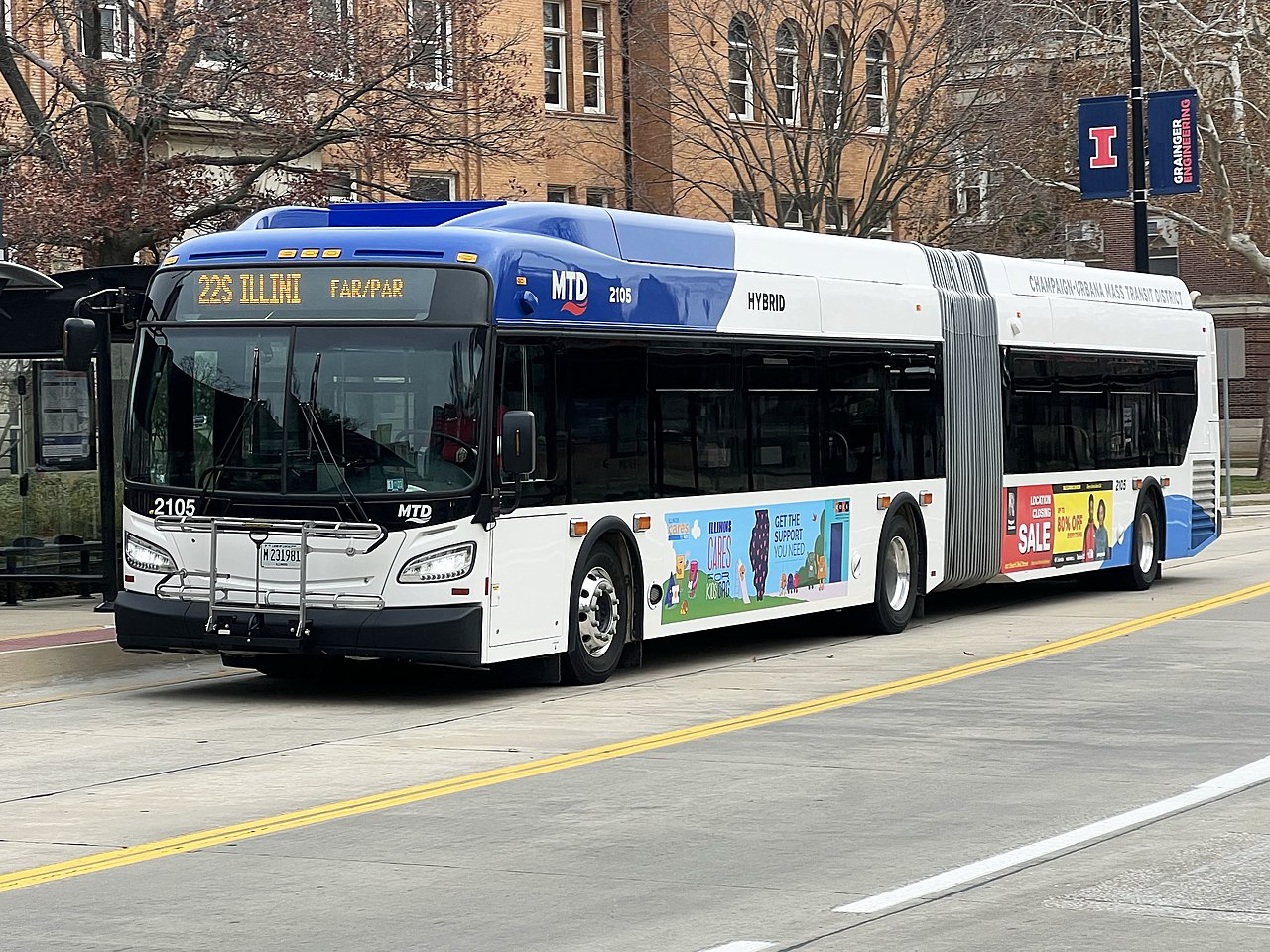
The city is served by regional highways, intercity rail and bus routes and a nearby regional airport. Public transit and pedestrian-friendly districts make campus and downtown areas accessible. As part of the Champaign–Urbana area, the city functions as a service and commercial center for surrounding towns and rural communities.
Distinctive features
- Close relationship between municipal institutions and the university community
- Research and technology activity linked to campus resources
- A lively downtown with restaurants, shops and civic events
- Known colloquially as "C‑U" by many residents and visitors
Related articles
Author
AlegsaOnline.com Champaign, Illinois — overview of the city, university, and local character Leandro Alegsa
URL: https://en.alegsaonline.com/art/18460